
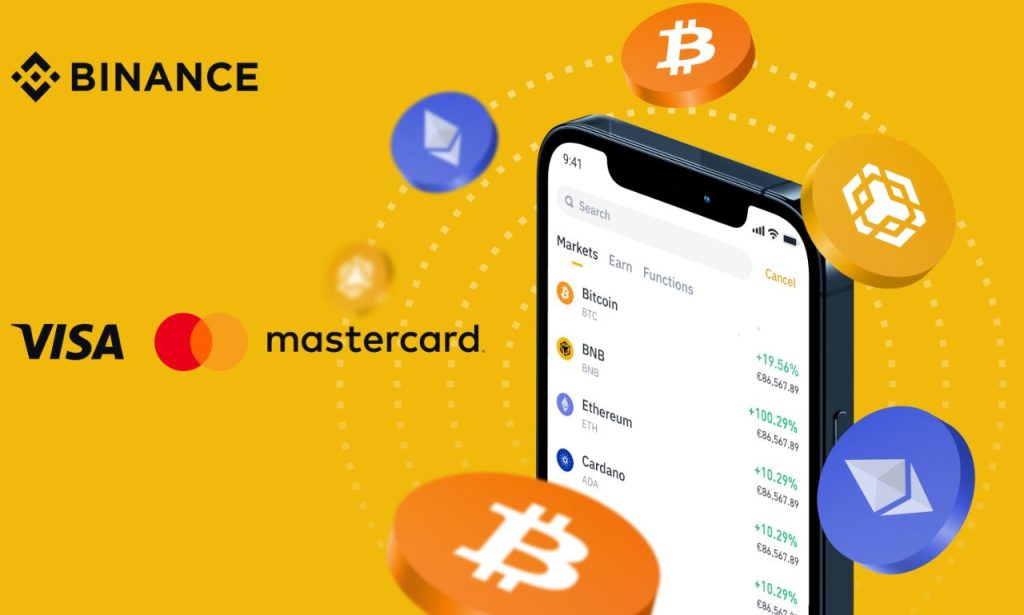
If you are looking to enter the digital market quickly, you might wonder if you can use your everyday plastic to invest. The short answer is yes, but there are several financial factors to consider before you swipe. Using a digital wallet or a crypto exchange makes the process feel familiar, but you must be aware of transaction fees and how your bank handles these payments. Learning can you buy crypto with a credit card is the first step toward building your portfolio safely.
Thinking about jumping into the blockchain space with your favorite card? It is incredibly fast and convenient for catching a sudden market dip, yet the costs can add up. Most issuers treat these buys as a cash advance, meaning high interest rates kick in immediately. You need a secure strategy to avoid unnecessary debt while chasing growth.
Safety is key when handling decentralized assets. Always verify the platform and check your credit limit to protect your credit score. Since regulations change, staying informed ensures your investment remains a smart move.
How Buying Crypto With a Credit Card Works
The process of using a credit card to purchase digital assets is fundamentally an “on-ramp” transaction. When you initiate a buy order on a crypto exchange, the platform acts as a bridge between the decentralized ledger and the legacy banking system. In 2026, most major exchanges have integrated high-speed payment gateways that verify your credit limit and authorize the transaction in milliseconds.
However, it is vital to understand that your bank rarely sees this as a standard retail purchase. Instead, it is typically coded as a cash advance. This classification is a critical piece of context because it changes how the money is handled. A cash advance does not usually have a grace period, meaning interest rates begin accruing the moment the digital currency hits your account. The exchange sends a request to the card network (like Visa or Mastercard), and once approved, the platform settles the trade by locking in the current market price of the asset.
Advantages of Using a Credit Card to Buy Crypto
The primary driver for using a credit card is speed. In the world of digital assets, prices can shift by significant percentages within minutes. A credit card provides instant liquidity, allowing you to capitalize on a sudden price drop without waiting for a traditional bank transfer (ACH) to clear, which can still take up to 24 hours even in 2026.
Beyond speed, there is the benefit of convenience. Most users already have their card details saved in their digital wallet, making the checkout process as simple as buying a pair of shoes online. Additionally, some high-tier premium credit cards have begun offering specific rewards or “crypto-back” incentives for these purchases, though this remains a niche feature among specific fintech issuers.
- Immediate Execution: Capture market volatility in real-time.
- Fraud Protection: Credit cards offer robust security layers and the ability to dispute unauthorized charges.
- No Pre-funding Required: You can buy now and pay your statement later, providing temporary leverage.
Risks and Disadvantages of Credit Card Crypto Purchases
While the convenience is high, the risks are equally significant. The most prominent disadvantage is the cost. Between the exchange’s processing fee and the bank’s cash advance fee, you could be losing 5% to 8% of your investment before the asset even moves. This means the cryptocurrency must appreciate by that same percentage just for you to break even.
Another major risk is the impact on your credit score. Since these transactions are often large, they can spike your credit utilization ratio. Furthermore, if the market crashes and your investment loses value, you are still legally obligated to pay back the full amount to the card issuer, potentially leading to high-interest debt.
Popular Exchanges That Accept Credit Cards
By 2026, the number of platforms accepting credit cards has grown, but the level of regulation has also tightened. Each entity listed below is a major financial player that has passed rigorous compliance audits.
- Coinbase: Known for its user-friendly interface and strict KYC (Know Your Customer) protocols. It is a primary choice for retail investors in the US and Europe.
- Binance: Offers the widest variety of altcoins and lower internal trading fees, though its card processing fees are handled by third-party partners.
- Kraken: Renowned for its security features and transparent fee structure, making it a favorite for professional traders.
- Crypto.com: This platform has its own ecosystem of cards and often provides lower fees if you hold their native utility token.
Step-by-Step Guide to Buying Crypto With a Credit Card
To ensure a smooth transaction, follow this structured approach to safeguard your assets and your identity.
- Step 1: Account Verification: Register on a reputable exchange and complete the KYC process by providing a government ID. This is a mandatory regulatory requirement in 2026.
- Step 2: Add Payment Method: Navigate to the “Settings” or “Payment” section and select “Add Credit/Debit Card.” Enter your card details and billing address.
- Step 3: Security Check: Most banks will require a 3D Secure verification, where you enter a code sent to your mobile device to authorize the link.
- Step 4: Execute the Buy: Select the digital asset you wish to purchase (e.g., Bitcoin, Ethereum), enter the amount, and choose your credit card as the funding source.
- Step 5: Transfer to Private Wallet: For maximum security, move your newly purchased coins from the exchange to a non-custodial wallet or cold storage.
Fees, Limits, and Processing Times
The data surrounding costs is vital for calculating your ROI (Return on Investment). In 2026, the fee landscape is generally broken down into three categories.
| Fee Type | Source | Average Cost |
| Processing Fee | Crypto Exchange | 1.5% – 3.99% |
| Cash Advance Fee | Your Bank | 3% – 5% (or flat $10) |
| Spread / Markup | Market Maker | 0.5% – 2.0% |
Processing Times are almost always “Instant,” meaning the coins appear in your exchange balance within seconds of the transaction being “Approved.” However, Limits vary wildly. A new user might be restricted to $500 per week, while a verified, long-term user might have a credit limit of $20,000 or more depending on their creditworthiness.
Safety Tips When Using a Credit Card for Crypto
Safety in the blockchain space is about proactive prevention. Because decentralized transactions cannot be reversed like a standard bank charge, you must be your own security officer.
- Use 2FA: Always enable Two-Factor Authentication using an app like Google Authenticator rather than SMS.
- Check URLs: Phishing sites are common; ensure you are on the official domain of the exchange.
- Avoid Public Wi-Fi: Never enter credit card details or access your digital wallet on unencrypted public networks.
- Monitor Statements: Check your bank app immediately after a purchase to ensure the transaction fee matches what the exchange quoted you.
Alternatives to Credit Card Purchases
If the high interest rates and fees of credit cards are a deterrent, several alternatives have gained popularity in 2026. Debit cards are the most common substitute, as they offer the same “Instant” speed but are usually treated as a standard purchase rather than a cash advance, saving you significantly on bank fees.
Another rising trend is the use of FedNow or Instant Wire transfers. These provide the speed of a card with the low cost of a traditional bank move. For those focused on long-term growth rather than day-trading, a standard ACH transfer remains the most cost-effective “on-ramp,” even if it requires a bit of patience.
Conclusion
Deciding whether to use your credit line for digital assets depends entirely on your financial goals and risk tolerance in 2026. While the ability to buy crypto with a credit card offers unmatched speed for capturing market opportunities, the associated cash advance fees and interest rates can quickly erode your investment gains. Prioritizing security by using two-factor authentication and choosing regulated platforms ensures that your entry into the blockchain space remains both safe and strategic.
Ultimately, the most successful investors treat credit cards as a tool for instant liquidity rather than a long-term financing solution. By maintaining a healthy credit score and understanding the regulatory landscape, you can navigate the decentralized economy with confidence. Whether you choose a card for its convenience or opt for lower-cost alternatives like ACH transfers, staying informed is the best way to grow your digital wallet and protect your financial future.

