
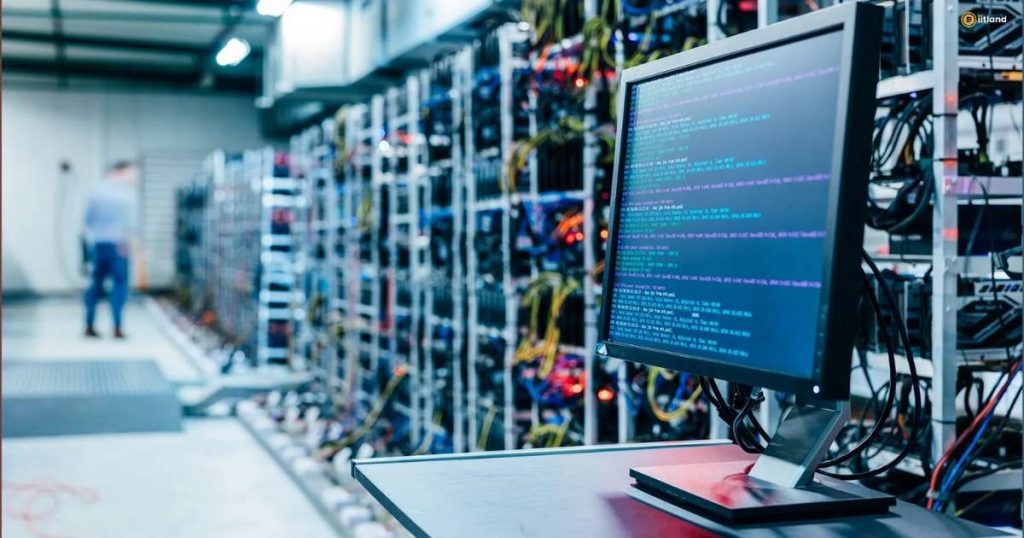
Crypto mining is the process of validating and adding transactions to a blockchain network while earning rewards in cryptocurrency. It is mainly used in Proof-of-Work (PoW) systems like Bitcoin, where miners use powerful computers to solve complex mathematical problems. When a miner successfully solves a block, they receive a reward in Bitcoin or other coins. This process keeps the blockchain secure, decentralized, and transparent without needing banks or middlemen.
Mining today is no longer simple or cheap. It requires advanced hardware, high electricity usage, and technical knowledge. Profitability depends on multiple factors like coin price, mining difficulty, electricity cost, and hardware efficiency. That’s why modern mining is often done by large-scale mining farms instead of individual users.
How Crypto Mining Works (Basic Concept)
Crypto mining works by solving cryptographic puzzles that verify transactions. These puzzles ensure that no one can cheat the system or spend the same coins twice. When a transaction is verified, it is added to a block, and the miner receives a reward.
This system is called decentralized verification, meaning no central authority controls it. Instead, thousands of miners around the world compete to secure the network, making blockchain extremely safe and tamper-resistant.
Types of Crypto Mining
There are three main types of mining:
- CPU Mining: Uses a computer processor (now mostly outdated)
- GPU Mining: Uses graphics cards, common for altcoins
- ASIC Mining: Specialized machines designed for Bitcoin mining
ASIC mining is the most powerful and efficient, while GPU mining is more flexible for different coins. CPU mining is rarely profitable today.
Hardware Required for Mining
To mine crypto efficiently, you need powerful hardware. For Bitcoin, miners use ASIC machines like Antminer, which are built specifically for mining speed and efficiency.
For altcoins, GPUs (graphics cards) are used because they can handle different mining algorithms. In addition to hardware, miners also need cooling systems, stable electricity, and proper ventilation to prevent overheating.
Mining Software Setup
Mining software connects your hardware to the blockchain network. It controls mining operations and sends work to the mining pool.
Popular mining software includes CGMiner, NiceHash, and PhoenixMiner. This software helps track performance, temperature, and earnings in real time.
Mining Pools Explained
A mining pool is a group of miners who combine their computing power to increase chances of earning rewards. Instead of mining alone, they share profits based on contribution.
Mining pools make earnings more stable and predictable compared to solo mining, which is very difficult today due to high competition.
Solo Mining vs Pool Mining
Solo mining means mining independently without joining any group. While it gives full rewards, the chances of success are very low for Bitcoin due to network difficulty.
Pool mining is more practical because it provides regular payouts, even if the rewards are smaller. Most modern miners prefer pool mining.
Electricity Cost and Profitability
Electricity is the biggest expense in crypto mining. Mining machines run 24/7 and consume large amounts of power.
If electricity is expensive, mining may become unprofitable even if crypto prices are high. This is why mining farms are usually located in areas with cheap electricity and cold climates.
Choosing the Right Coin to Mine
Not all cryptocurrencies are equally profitable to mine. Bitcoin is the most popular but also the hardest.
Some miners choose altcoins like Litecoin or Ethereum Classic because they have lower difficulty and better short-term rewards depending on market conditions.
Mining Difficulty Explained
Mining difficulty refers to how hard it is to solve a block. As more miners join the network, difficulty increases.
Higher difficulty means more computing power is needed, which increases electricity usage and reduces profit margins.
Cloud Mining Explained
Cloud mining allows users to rent mining power from remote data centers instead of buying hardware.
It is easy for beginners, but it comes with risks like lower profits, hidden fees, and scam platforms. So careful research is very important.
Environmental Impact of Mining
Crypto mining uses a lot of electricity, which raises environmental concerns. Large mining farms consume massive energy, contributing to carbon emissions.
Because of this, many miners are shifting toward renewable energy sources like hydro, solar, and wind power.
Risks of Crypto Mining
Mining is not risk-free. Major risks include:
- High electricity costs
- Hardware breakdown
- Falling crypto prices
- Increasing mining difficulty
- Regulatory restrictions
These factors can make mining unprofitable very quickly.
Legal Rules and Regulations
In some countries, crypto mining is restricted or regulated due to energy usage concerns.
Before starting mining, it is important to check local laws to avoid legal issues or penalties.
Future of Crypto Mining
The future of mining is changing. Many new blockchains are moving toward Proof-of-Stake (PoS), which does not require mining.
However, Bitcoin mining will likely continue for many years because it is the backbone of the Bitcoin network.
Advantages of Crypto Mining
- Earn passive income in crypto
- Supports blockchain security
- Decentralized earning system
- Potential long-term rewards if coin value increases
Disadvantages of Crypto Mining
- High startup cost
- Expensive electricity
- Technical knowledge required
- Increasing competition
- Risk of losses during market downturns
Frequently Asked Questions
1. What is crypto mining in simple words?
Crypto mining is the process of using computers to verify blockchain transactions and earn rewards in cryptocurrency like Bitcoin.
2. Is crypto mining still profitable today?
Yes, but it depends on electricity cost, mining hardware, and crypto prices. Large-scale mining is more profitable than small setups.
3. What equipment is needed for mining crypto?
You need ASIC miners or GPUs, mining software, stable electricity, and cooling systems to run mining operations efficiently.
4. Can I mine crypto on my phone or laptop?
Technically yes, but it is not profitable. Modern mining requires powerful hardware because of high network difficulty.
5. What is the difference between solo mining and pool mining?
Solo mining means mining alone (low success chance), while pool mining means joining a group to share rewards (more stable income).
Conclusion
Crypto mining is a powerful but complex process that secures blockchain networks and generates new coins. It requires strong hardware, cheap electricity, and deep understanding of market conditions.
While it can be profitable, it is also highly competitive and risky. Success in mining depends on planning, cost management, and choosing the right strategy.

