
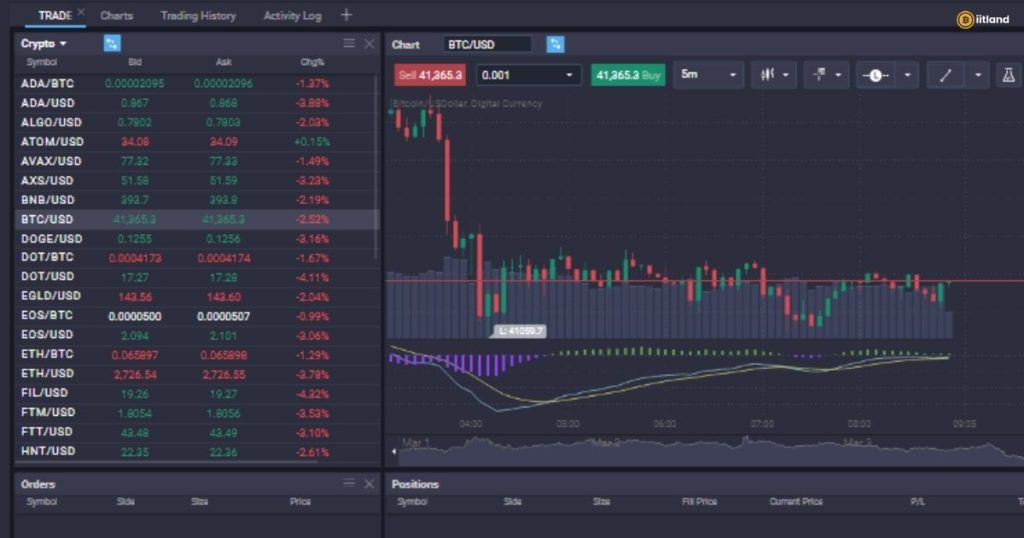
Cryptocurrency short selling is a trading strategy used to profit from falling digital asset prices. Unlike traditional investing where traders buy low and sell high, shorting works in reverse: traders sell high first and aim to buy back at a lower price. This strategy is widely used in volatile markets like crypto where sudden price drops happen frequently.
The crypto market is open 24/7, highly liquid, and extremely volatile, making it suitable for both bullish and bearish trading strategies. Many traders use crypto short trading strategies not only for profit but also for hedging existing investments. However, shorting is not simple—it involves risk, timing, technical analysis, and proper risk management.
Understanding how shorting works is essential before entering leveraged positions. Without proper knowledge, traders can face rapid losses due to sudden market reversals or short squeezes. This guide explains everything in detail.
What Does Shorting Crypto Mean?
Shorting crypto explained simply means betting that the price of a cryptocurrency will go down. Traders borrow an asset, sell it at the current price, and later buy it back at a lower price to return it, keeping the difference as profit.
This method is commonly used in bearish crypto trading conditions where the market shows signs of decline. It allows traders to earn profits even when most investors are losing money. However, shorting is riskier than normal buying because price increases can lead to unlimited losses if not managed properly.
How Crypto Short Selling Works
Crypto short selling mechanism involves borrowing assets from an exchange or broker and immediately selling them at market value. Later, the trader repurchases the asset at a lower price and returns it.
This process relies heavily on price difference. If the price falls, the trader earns profit; if it rises, they suffer losses. Platforms like futures exchanges and CFD brokers make this process easier by allowing direct short positions. Shorting is commonly used in crypto derivatives trading markets where traders do not need to own the actual coins.
Why Traders Short Cryptocurrency
Reasons for shorting crypto assets vary depending on market conditions. One major reason is the ability to profit during bear markets when prices are consistently falling. Traders also short crypto to hedge long-term investments. For example, if someone holds Bitcoin but expects short-term decline, they may open a short position to balance risk.
Another reason is high volatility. Crypto markets move quickly, and volatility trading strategies in crypto allow traders to capitalize on both upward and downward movements.
Tools Used for Shorting Crypto
Crypto trading tools for short selling include margin accounts, futures contracts, CFDs, and options. These instruments allow traders to speculate on price drops without owning the asset.
Margin trading provides leverage, futures allow contract-based speculation, CFDs track price differences, and options give the right to sell at a specific price. Each tool has different risk levels and complexity. Understanding these tools is essential for building a safe shorting strategy.
Margin Trading in Crypto Shorting
Crypto margin trading explained involves borrowing funds from an exchange to increase trading size. This allows traders to open larger short positions with less capital.
While margin increases profit potential, it also increases liquidation risk. If the market moves against the trader, positions may be automatically closed by the exchange. Proper risk management is essential when using leverage in short Bitcoin margin trading strategies.
Futures Trading for Short Positions
Bitcoin futures short trading allows traders to agree on selling an asset at a future price. If the price drops before contract expiry, traders profit from the difference.
Futures are widely used by institutional investors and professional traders because they offer flexibility and liquidity. They also allow high leverage, which increases both risk and reward. However, futures trading requires experience and strong market understanding.
CFD Trading and Short Selling
Crypto CFD trading explained allows traders to speculate on price changes without owning the actual cryptocurrency. Traders can open both long and short positions easily. CFDs are popular because they are simple and accessible. However, they often include fees such as spreads and overnight charges, which can reduce profitability.
CFD trading is widely used for short-term crypto trading strategies.
Options Trading in Crypto Markets
Crypto options trading strategies allow traders to buy the right to sell an asset at a specific price. Put options are commonly used for bearish predictions.
Options provide limited risk but require understanding of advanced concepts like strike price, expiration, and premium. They are often used by professional traders for hedging or speculative strategies.
Step-by-Step Guide to Short Crypto
How to short crypto step by step guide starts with selecting a reliable trading platform that supports derivatives or margin trading.
Next, traders analyze the market using technical indicators, choose position size, set stop-loss levels, and open a sell position. Monitoring the trade is important because crypto prices can change rapidly. Proper planning is essential to avoid emotional trading mistakes.
Technical Analysis for Shorting Crypto
Best indicators for crypto shorting include RSI, MACD, moving averages, and support-resistance levels.
RSI identifies overbought conditions, MACD shows momentum shifts, moving averages define trends, and support-resistance levels help identify breakout points. These tools are widely used in technical analysis crypto trading strategies.
Risk Management in Short Trading
Crypto risk management strategies are critical for successful trading. Traders use stop-loss orders to limit losses and take-profit levels to secure gains.
Position sizing is also important to avoid overexposure. Experienced traders never risk more than a small percentage of their capital in a single trade. Risk control separates professional traders from beginners.
Advantages of Shorting Crypto
Benefits of crypto short selling include profit opportunities during market crashes, hedging against losses, and increased trading flexibility.
Shorting allows traders to earn in both rising and falling markets, making it a powerful strategy in volatile environments. It also improves portfolio protection during uncertain market conditions.
Risks of Short Selling Crypto
Risks of short crypto trading include unlimited losses, short squeezes, and liquidation risks due to leverage. If prices rise instead of falling, losses can grow quickly. Crypto markets are unpredictable, making short selling highly risky for beginners. Proper knowledge and discipline are required.
Short Squeeze Explained
Crypto short squeeze meaning refers to a situation where prices rise rapidly, forcing short sellers to close positions, which pushes prices even higher. This creates a chain reaction of buying pressure, leading to sharp market spikes. Short squeezes are common in low liquidity or highly volatile markets.
Best Cryptocurrencies for Shorting
Best crypto assets for short selling include Bitcoin, Ethereum, and major altcoins due to high liquidity and trading volume. Bitcoin is the most commonly shorted asset because of its dominance and market influence. Altcoins are also popular due to their higher volatility.
Psychology of Short Trading
Crypto trading psychology for short sellers plays a major role in success. Fear, greed, and impatience often lead to poor decisions. Traders must remain disciplined, avoid emotional reactions, and follow predefined strategies. Mental control is essential in volatile markets.
Common Mistakes in Shorting Crypto
Crypto trading mistakes beginners make include overleveraging, ignoring stop-losses, and trading without analysis. Many beginners also follow hype instead of data-driven strategies. Avoiding these mistakes improves long-term trading success.
Long vs Short Crypto Positions
Difference between long and short crypto trading is simple. Long positions profit when prices rise, while short positions profit when prices fall. Both strategies are important for balanced trading approaches.
Future of Crypto Short Trading
Future of crypto derivatives trading is expected to grow with better regulation, institutional adoption, and advanced trading tools. More platforms will offer professional-grade shorting tools for retail traders.
FAQ’s
Conclusion
How to short crypto successfully requires knowledge, strategy, and risk management. While it offers profit opportunities during falling markets, it also carries significant risk due to volatility and leverage.
Traders must understand technical analysis, market behavior, and emotional discipline before entering short positions. With proper education and practice, crypto shorting can become a powerful trading strategy in both bullish and bearish markets.

