
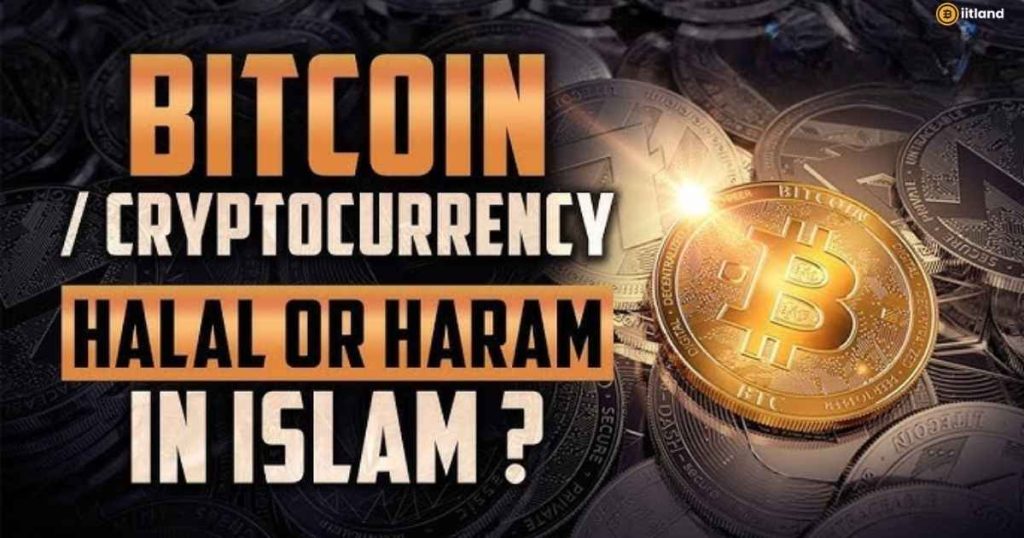
Cryptocurrency has become one of the most discussed financial innovations of the modern era. Millions of people around the world invest in digital assets such as Bitcoin, Ethereum, and other cryptocurrencies. As crypto adoption grows among Muslims, an important question continues to arise: Is crypto haram?
The answer is not universally agreed upon. Islamic scholars have expressed different opinions regarding cryptocurrency based on interpretations of Islamic financial principles. Some scholars believe certain cryptocurrencies can be halal under specific conditions, while others argue that cryptocurrencies contain elements that may make them haram. Understanding both viewpoints is essential for Muslims who want to make informed financial decisions that align with their faith.
Understanding the Concept of Haram and Halal
In Islam, halal refers to actions and activities that are permissible according to Islamic law. Haram refers to activities that are forbidden.
Financial transactions are also evaluated according to Islamic principles. Investments should avoid prohibited elements such as riba (interest), excessive uncertainty, fraud, gambling, and unethical business activities. When assessing cryptocurrency, scholars analyze whether digital assets comply with these principles.
What Is Cryptocurrency?
Cryptocurrency is a digital asset that uses cryptographic technology and blockchain networks to facilitate secure transactions. Unlike traditional currencies issued by governments, cryptocurrencies operate through decentralized systems.
Bitcoin was the first cryptocurrency introduced in 2009, and thousands of digital currencies have emerged since then. These assets can be used for payments, investments, decentralized applications, and various financial activities.
Why the Debate Exists
The debate over cryptocurrency’s Islamic status exists because digital assets are relatively new. Traditional Islamic financial rulings were developed long before blockchain technology existed.
As a result, scholars must evaluate cryptocurrency using existing Islamic principles and apply them to modern financial innovations. Different interpretations have led to differing opinions regarding whether crypto is halal or haram.
The Importance of Money in Islamic Finance
Islam recognizes money as a medium of exchange and a store of value. Historically, gold and silver served as common forms of money within Islamic societies.
Some scholars argue that cryptocurrency can function similarly because it facilitates transactions and holds value. Others question whether digital assets possess sufficient intrinsic value to qualify as legitimate money under Islamic principles.
Arguments Supporting Cryptocurrency as Halal
Several Islamic scholars believe cryptocurrency can be considered halal under certain conditions.
They argue that cryptocurrencies have value because people willingly use them as a medium of exchange. According to this perspective, anything accepted by society as valuable may qualify as wealth and therefore be permissible for ownership and trade.
Decentralization and Financial Freedom
Supporters of cryptocurrency often highlight its decentralized nature. Since cryptocurrencies operate without central authority control, some scholars view them as tools that promote financial freedom and transparency.
Blockchain technology records transactions publicly, which can improve accountability and reduce opportunities for manipulation in certain situations.
Ownership and Asset Value
Islam permits ownership of valuable assets. Supporters argue that cryptocurrencies represent digital property that can be owned, transferred, bought, and sold.
Since cryptocurrencies have market value and can be exchanged for goods, services, or traditional currencies, some scholars believe they meet the criteria of a legitimate asset.
The Role of Blockchain Technology
Blockchain technology itself is generally not considered problematic from an Islamic perspective. It functions as a distributed ledger that records transactions securely and transparently.
Many scholars who support cryptocurrency distinguish between the technology and how it is used. They emphasize that blockchain applications can serve beneficial and permissible purposes.
Concerns About Cryptocurrency
Despite supportive opinions, some scholars remain cautious about cryptocurrency investments.
Their concerns typically focus on volatility, speculation, uncertainty, and the potential misuse of digital assets. These issues form the basis of arguments that cryptocurrency may be haram or at least questionable.
Volatility and Price Fluctuations
Cryptocurrency markets are known for extreme volatility. Prices can rise or fall dramatically within short periods.
Some scholars argue that excessive volatility introduces significant uncertainty into transactions. Since Islamic finance discourages excessive uncertainty, this remains one of the most common concerns regarding cryptocurrency.
Understanding Gharar
Gharar refers to excessive uncertainty or ambiguity in financial transactions. Islam discourages contracts where essential details are unclear or outcomes are highly uncertain.
Critics argue that certain cryptocurrency investments involve substantial gharar because prices can be unpredictable and many projects lack clear fundamentals.
Speculation and Gambling Concerns
Another concern involves speculation. Some investors purchase cryptocurrencies solely in hopes of quick profits without understanding the underlying technology or value.
When trading resembles gambling rather than genuine investment, scholars may classify such activities as impermissible. The distinction between investing and gambling often depends on the investor’s intentions and behavior.
The Issue of Riba
Riba, commonly translated as interest, is prohibited in Islam. Cryptocurrency itself does not inherently involve interest.
However, certain crypto-related activities such as interest-bearing lending platforms, yield farming arrangements, and borrowing services may raise concerns about compliance with Islamic finance principles.
Fraud and Scam Risks
The cryptocurrency industry has experienced numerous scams, fraudulent projects, and deceptive schemes.
Islam strongly prohibits fraud and dishonesty in business dealings. While scams themselves are clearly haram, most scholars distinguish between fraudulent projects and legitimate cryptocurrencies.
Different Scholarly Opinions
Islamic scholars around the world have reached different conclusions regarding cryptocurrency.
Some consider major cryptocurrencies like Bitcoin permissible because they function as recognized assets. Others remain skeptical due to concerns about speculation and volatility. This diversity of opinion reflects the complexity of applying traditional Islamic principles to emerging technologies.
Bitcoin and Islamic Finance
Bitcoin receives particular attention because it is the oldest and most established cryptocurrency.
Some scholars argue that Bitcoin has achieved sufficient market acceptance and utility to qualify as a legitimate asset. Others continue to question whether its price behavior aligns with Islamic financial principles.
Utility Tokens and Project Evaluation
Not all cryptocurrencies are the same. Some tokens provide access to services, applications, or blockchain ecosystems.
Many scholars suggest evaluating each cryptocurrency individually rather than applying a single ruling to the entire industry. A project’s purpose, structure, and use case may influence its Islamic permissibility.
Investing Responsibly as a Muslim
Muslim investors interested in cryptocurrency should prioritize research and due diligence. Understanding how a project operates helps reduce uncertainty and supports informed decision-making.
Investors should avoid projects associated with fraud, illegal activities, excessive speculation, or interest-based financial structures.
Seeking Guidance from Qualified Scholars
Because opinions differ, many Muslims choose to consult knowledgeable scholars familiar with both Islamic finance and modern technology.
Qualified guidance can help individuals assess specific investments based on their personal circumstances and understanding of Islamic principles.
The Future of Islamic Crypto Finance
As cryptocurrency adoption continues growing, Islamic financial institutions are increasingly exploring blockchain technology and digital assets.
New frameworks and standards may emerge to provide clearer guidance regarding halal cryptocurrency investments. The relationship between Islamic finance and blockchain technology is likely to continue evolving in the years ahead.
Balancing Opportunity and Compliance
Cryptocurrency presents both opportunities and challenges for Muslim investors. While blockchain technology offers innovation and financial inclusion, concerns about speculation and uncertainty remain relevant.
Balancing potential benefits with religious compliance requires careful analysis and a commitment to ethical investing practices.
Conclusion
The question of whether crypto is haram does not have a universally accepted answer. Some Islamic scholars consider certain cryptocurrencies halal because they function as valuable digital assets and facilitate legitimate economic activity. Others express concerns regarding volatility, speculation, uncertainty, and potential misuse.
For Muslims interested in cryptocurrency, the most important step is conducting thorough research and understanding how Islamic financial principles apply to specific investments. Since opinions vary among scholars, seeking guidance from qualified Islamic finance experts can help individuals make informed decisions that align with both their financial goals and religious beliefs.
FAQs
What does Islam say about cryptocurrency?
Islamic scholars have different opinions. Some consider certain cryptocurrencies halal, while others raise concerns about speculation and uncertainty.
Is Bitcoin halal or haram?
Opinions differ among scholars. Some view Bitcoin as a permissible digital asset, while others remain cautious due to volatility.
Why do some scholars consider crypto haram?
Common concerns include excessive uncertainty, speculation, gambling-like behavior, and potential misuse of digital assets.
Is trading cryptocurrency allowed in Islam?
Some scholars permit responsible cryptocurrency investing, while discouraging excessive speculation and risky trading practices.
Should Muslims invest in crypto?
Muslims interested in cryptocurrency should research carefully, avoid questionable projects, and seek guidance from qualified Islamic finance scholars when needed.

