
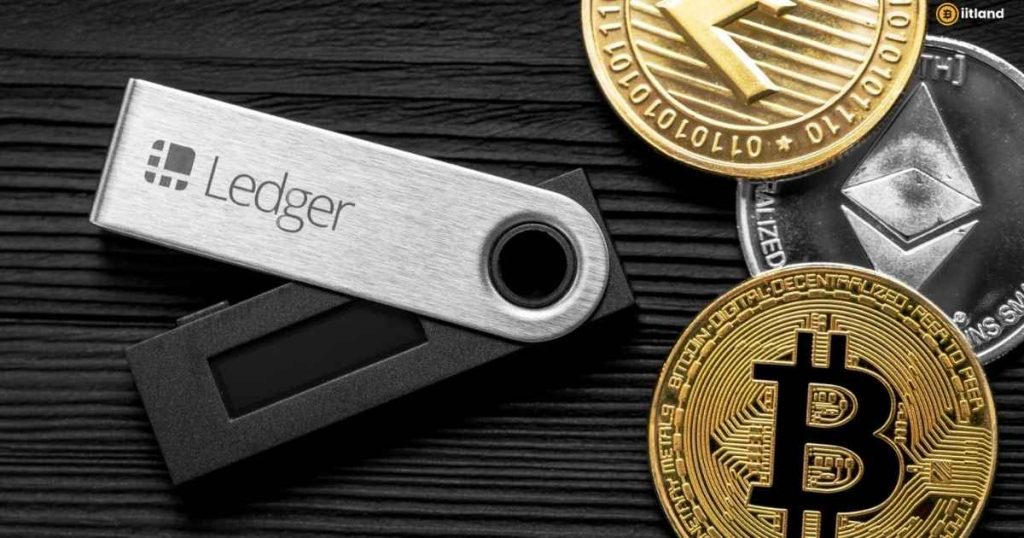
Cryptocurrency ownership comes with a unique responsibility: protecting your digital assets. Unlike traditional bank accounts, cryptocurrencies are often stored and managed directly by their owners. This makes security one of the most important aspects of crypto investing. One of the safest ways to protect digital assets is by using a cold wallet.
A cold wallet is a cryptocurrency storage method that keeps private keys offline, away from internet-connected devices. Because it is not constantly connected to the internet, a cold wallet significantly reduces the risk of hacking, malware attacks, and unauthorized access. For investors holding cryptocurrency long term, cold wallets are widely considered one of the most secure storage solutions available.
Understanding Cryptocurrency Wallets
Before understanding cold wallets, it is important to know what a crypto wallet does. A cryptocurrency wallet does not actually store coins in the traditional sense. Instead, it stores the private keys that allow users to access and manage their digital assets on the blockchain.
These private keys are essential because anyone who gains access to them can potentially control the associated cryptocurrency. Protecting private keys is therefore one of the most important aspects of crypto security.
What Is a Cold Wallet?
A cold wallet is a cryptocurrency wallet that stores private keys completely offline. Since it remains disconnected from the internet, it is much less vulnerable to cyberattacks.
Cold wallets are commonly used by investors who want maximum security for their digital assets. They are especially popular among long-term holders who do not need frequent access to their cryptocurrency.
How a Cold Wallet Works
A cold wallet generates and stores private keys in an offline environment. Because the keys never remain exposed to internet-connected systems, hackers have far fewer opportunities to access them.
When users need to send cryptocurrency, they can connect the wallet temporarily or use a secure signing process that protects the private keys throughout the transaction.
Why Cold Wallets Are Important
Cybersecurity threats remain one of the biggest risks in the cryptocurrency industry. Exchange hacks, phishing attacks, malware infections, and account compromises have resulted in billions of dollars in losses over the years.
Cold wallets provide an additional layer of protection by removing private keys from online environments where most cyberattacks occur.
Difference Between Cold Wallets and Hot Wallets
The primary difference between a cold wallet and a hot wallet is internet connectivity.
Hot wallets remain connected to the internet and are designed for convenience and frequent transactions. Cold wallets remain offline and prioritize security over accessibility.
Hot wallets are often used for daily trading, while cold wallets are commonly used for long-term storage.
Types of Cold Wallets
There are several types of cold wallets available to cryptocurrency investors.
Each type offers different levels of security, convenience, and cost. Understanding the available options helps investors choose the storage solution that best fits their needs.
Hardware Wallets
Hardware wallets are among the most popular cold wallet options. They are physical devices specifically designed to store cryptocurrency private keys securely.
These devices keep keys isolated from internet-connected computers and smartphones, making them highly resistant to hacking attempts.
Paper Wallets
A paper wallet is a physical document containing private keys and public wallet addresses.
Because the information is stored on paper rather than a digital device, it remains completely offline. However, paper wallets require careful handling because they can be lost, damaged, or destroyed.
Air-Gapped Devices
Air-gapped devices are computers or hardware systems that never connect to the internet.
Some advanced users create dedicated air-gapped systems for cryptocurrency management. While highly secure, this approach often requires technical expertise.
Advantages of Using a Cold Wallet
Cold wallets offer numerous benefits for cryptocurrency investors. The most significant advantage is enhanced security.
By keeping private keys offline, investors reduce exposure to hacking, malware, phishing attacks, and other online threats.
Protection Against Exchange Failures
Many investors purchase cryptocurrency through exchanges and initially store assets there.
However, exchanges can experience security breaches, operational failures, or financial difficulties. Using a cold wallet allows investors to maintain direct control over their assets rather than relying on third-party platforms.
Reduced Risk of Cyberattacks
Most cryptocurrency theft occurs through internet-connected systems. Since cold wallets remain offline, they are far less vulnerable to these attacks.
This makes cold wallets one of the preferred storage methods for investors holding significant amounts of cryptocurrency.
Better Long-Term Storage
Long-term investors often choose cold wallets because they do not require frequent access to their assets.
By prioritizing security over convenience, cold wallets provide a reliable solution for protecting cryptocurrency over extended periods.
Potential Drawbacks of Cold Wallets
Although cold wallets offer strong security, they also have certain disadvantages.
Understanding these limitations helps investors determine whether cold storage aligns with their investment strategy.
Less Convenient for Frequent Trading
Cold wallets are not ideal for active traders who need constant access to their funds.
Transferring assets between cold storage and trading platforms can take additional time compared to using a hot wallet.
Risk of Physical Loss
Because cold wallets often involve physical devices or documents, they can be lost, stolen, or damaged.
Proper backup procedures are essential to ensure continued access to cryptocurrency holdings.
Responsibility for Security
When using a cold wallet, investors assume full responsibility for protecting their recovery phrases and private keys.
If these backups are lost and no recovery options exist, access to the cryptocurrency may be permanently lost.
What Is a Recovery Phrase?
Most cold wallets provide a recovery phrase during setup.
This phrase consists of a series of words that can restore access to the wallet if the device is lost, damaged, or replaced. Protecting this phrase is critical because it controls access to the associated assets.
Best Practices for Cold Wallet Security
Investors should store recovery phrases in secure locations and avoid sharing them with anyone.
Using fireproof storage solutions, maintaining multiple backups, and keeping information offline can further improve security.
Who Should Use a Cold Wallet?
Cold wallets are particularly useful for long-term investors, high-net-worth holders, and anyone prioritizing maximum security.
Individuals holding substantial amounts of cryptocurrency often consider cold storage an essential part of their security strategy.
Can Beginners Use Cold Wallets?
Yes. Modern hardware wallets are designed with user-friendly interfaces that make them accessible to beginners.
While there is a learning curve, many investors find the added security worth the effort required to learn how cold wallets operate.
When Should You Move Crypto to a Cold Wallet?
Many investors transfer cryptocurrency to cold storage once their holdings reach a value they are not comfortable leaving on an exchange.
The decision depends on individual risk tolerance, trading frequency, and investment goals.
Cold Wallets and Institutional Investors
Institutional investors often rely on cold storage solutions to secure large cryptocurrency holdings.
The enhanced protection offered by offline storage makes cold wallets an important component of professional crypto asset management.
The Future of Cold Storage
As cryptocurrency adoption continues to expand, security solutions are becoming increasingly sophisticated.
Cold wallets are expected to remain a critical tool for protecting digital assets, especially as investors seek stronger defenses against evolving cyber threats.
Conclusion
A cold wallet is a cryptocurrency storage solution that keeps private keys offline, providing one of the highest levels of security available for digital assets. By reducing exposure to online threats such as hacking, malware, and phishing attacks, cold wallets help investors maintain control over their cryptocurrency holdings.
Although cold wallets may be less convenient than online alternatives, they offer significant advantages for long-term storage and asset protection. Whether you are a beginner or an experienced investor, understanding how cold wallets work can help you make informed decisions about securing your cryptocurrency investments.
FAQs
What is a cold wallet in crypto?
A cold wallet is a cryptocurrency wallet that stores private keys offline, reducing exposure to online security threats.
Are cold wallets safer than hot wallets?
Generally, yes. Because cold wallets remain offline, they are less vulnerable to hacking and cyberattacks.
Can I store Bitcoin in a cold wallet?
Yes. Most cold wallets support Bitcoin and many other cryptocurrencies.
What happens if I lose my cold wallet?
You can typically recover your assets using your recovery phrase, provided it has been stored securely.
Do I need a cold wallet for small crypto investments?
Not necessarily. However, many investors choose cold wallets for added security regardless of portfolio size.

