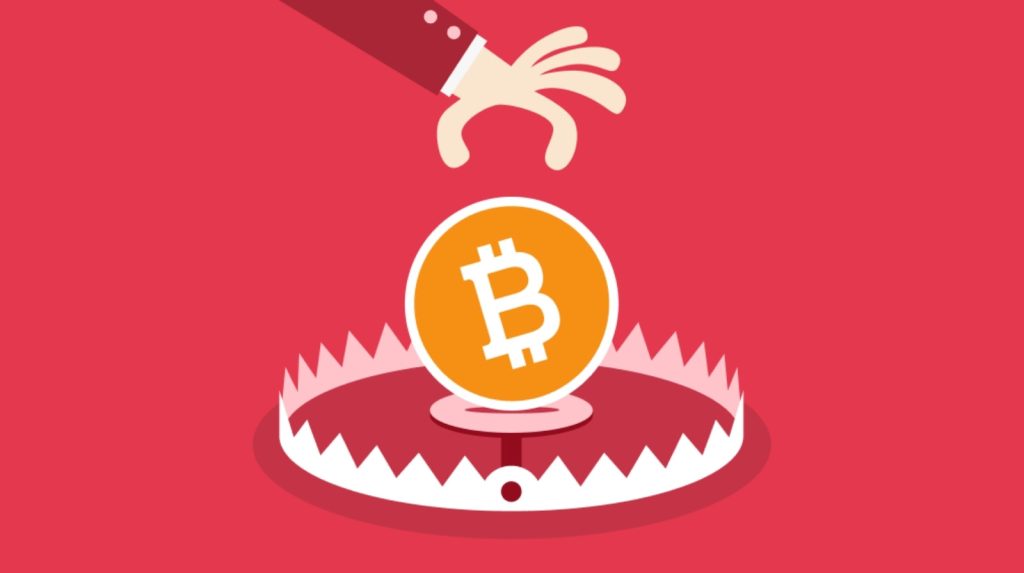
Cryptocurrency has transformed the financial landscape, attracting millions of investors seeking high returns. Digital assets such as Bitcoin, Ethereum, and other cryptocurrencies have created new opportunities for wealth generation. However, alongside the potential rewards come significant challenges that investors should carefully consider. Understanding the risks of investing in cryptocurrency is essential before committing any capital to this rapidly evolving market.
Unlike traditional investments, cryptocurrencies operate in a decentralized environment with fewer regulatory protections. Prices can fluctuate dramatically within hours, and security concerns remain a major issue. This guide explores the most important cryptocurrency investment risks, explains how they affect investors, and provides practical insights to help individuals make informed decisions in today’s digital asset market.
Market Volatility: The Biggest Risk of Investing in Cryptocurrency
One of the most widely recognized risks of investing in cryptocurrency is extreme market volatility. Cryptocurrency prices often experience sharp increases and steep declines within short periods. While traditional assets such as stocks and bonds can fluctuate, digital currencies frequently experience much larger swings.
Bitcoin, Ethereum, and other major cryptocurrencies have demonstrated significant price fluctuations throughout their history. News events, investor sentiment, government announcements, and macroeconomic conditions can all influence market movements. As a result, investors may face substantial gains or losses in a matter of days.
Volatility can be particularly challenging for inexperienced investors. Emotional decision-making often leads individuals to buy during price surges and sell during market downturns. A disciplined investment strategy and a clear understanding of risk tolerance are essential when navigating cryptocurrency markets.
Regulatory Uncertainty and Legal Challenges
Government regulation remains one of the most significant concerns in the cryptocurrency industry. Regulatory frameworks vary widely across countries, and policies continue to evolve. This uncertainty creates additional risks for investors and businesses operating within the digital asset ecosystem.
In the United States, agencies such as the U.S. Securities and Exchange Commission and the Commodity Futures Trading Commission continue to evaluate how cryptocurrencies should be regulated. New rules can affect trading platforms, token offerings, taxation, and investor protections.
Changes in regulation may influence cryptocurrency prices and market accessibility. According to reports from regulatory agencies and industry observers, announcements regarding enforcement actions or compliance requirements have historically impacted investor confidence. Staying informed about legal developments is critical for anyone investing in digital assets.
Security Threats and Cybercrime Risks
Security remains a major concern in the cryptocurrency market. Because cryptocurrencies exist digitally, they are attractive targets for hackers, cybercriminals, and fraudsters. Investors who fail to follow proper security practices may risk losing their assets permanently.
Cryptocurrency exchanges have experienced high-profile breaches over the years. While many platforms have strengthened security measures, no system is completely immune to cyberattacks. Investors who store large amounts of cryptocurrency on exchanges may face additional exposure if a platform experiences technical or security failures.
Personal security is equally important. Lost private keys, phishing attacks, malware, and fraudulent schemes can result in irreversible losses. Unlike traditional banking systems, cryptocurrency transactions are generally irreversible, making recovery difficult once funds are stolen or transferred incorrectly.
Lack of Consumer Protection
Traditional financial systems provide multiple layers of protection for consumers. Banks, brokerage firms, and regulated financial institutions often offer safeguards such as insurance, dispute resolution processes, and fraud protection. Cryptocurrency markets typically provide fewer protections.
When investors encounter issues with cryptocurrency transactions, recovering funds can be difficult. Decentralized systems are designed to eliminate intermediaries, but this also means there may be limited recourse when problems occur. Mistaken transactions or lost wallet credentials can result in permanent asset loss.
Additionally, fraudulent projects and scams continue to emerge within the industry. Investors should carefully evaluate cryptocurrency projects, verify information through reputable sources, and avoid promises of guaranteed returns. Due diligence remains one of the most effective defenses against financial loss.
Liquidity and Market Manipulation Concerns
Liquidity refers to how easily an asset can be bought or sold without significantly affecting its price. While major cryptocurrencies generally have strong liquidity, smaller digital assets may present challenges for investors.
Low-liquidity cryptocurrencies often experience larger price swings and wider bid-ask spreads. Investors attempting to sell large positions may struggle to find buyers at desired prices. This can increase losses during periods of market stress or declining demand.
Market manipulation is another concern. Some cryptocurrency markets have faced allegations of wash trading, pump-and-dump schemes, and coordinated price manipulation. Public estimates suggest that market transparency varies significantly across trading platforms. Investors should prioritize reputable exchanges and carefully assess trading volume data before making investment decisions.
Technology and Infrastructure Risks
Cryptocurrency relies on complex blockchain technology and supporting infrastructure. Although blockchain systems are designed to be secure and resilient, technological risks still exist. Software bugs, network failures, and coding vulnerabilities can impact projects and investors.
Smart contracts, which automate transactions on blockchain networks, may contain errors that create security weaknesses. Several decentralized finance (DeFi) platforms have experienced losses due to vulnerabilities in their code. Investors participating in DeFi protocols should understand these technical risks before committing funds.
Infrastructure issues can also affect market access. Exchange outages, network congestion, and transaction delays occasionally occur during periods of high demand. These disruptions may prevent investors from executing trades when they need to respond quickly to changing market conditions.
Emotional Investing and Behavioral Risks
Many cryptocurrency investors enter the market because of excitement surrounding rapid price growth. Social media platforms, online communities, and influencer content can contribute to emotional decision-making and unrealistic expectations.
Fear of missing out (FOMO) often drives investors to purchase assets at elevated prices. Conversely, fear and panic can lead to selling during market declines. These emotional reactions frequently undermine long-term investment performance.
Developing a structured investment plan helps reduce behavioral risks. Successful investors often establish clear goals, diversification strategies, and risk management guidelines. Maintaining discipline during periods of market volatility can improve decision-making and support more consistent outcomes.
Why Diversification Matters When Investing in Cryptocurrency
Diversification remains one of the most effective ways to manage the risks of investing in cryptocurrency. Concentrating a large portion of a portfolio in a single digital asset increases exposure to price fluctuations and project-specific risks.
Many financial professionals recommend balancing cryptocurrency investments with traditional assets such as stocks, bonds, and cash equivalents. Diversification can help reduce overall portfolio volatility while maintaining exposure to potential growth opportunities.
Investors should also diversify within the cryptocurrency sector itself. Holding multiple assets with different use cases, technologies, and market positions may reduce the impact of adverse events affecting a single project. However, diversification does not eliminate risk entirely and should be combined with thorough research.
FAQs
What are the biggest risks of investing in cryptocurrency?
The biggest risks include market volatility, regulatory uncertainty, cybersecurity threats, fraud, liquidity issues, and limited consumer protections. These factors can significantly affect investment performance.
Is cryptocurrency riskier than stocks?
In most cases, cryptocurrency is considered riskier than traditional stocks because of higher price volatility, evolving regulations, and fewer investor protections. However, risk levels vary by asset and investment strategy.
Can cryptocurrency investments lose all their value?
Yes. Some cryptocurrencies have experienced substantial declines or become nearly worthless after project failures, security incidents, or loss of investor confidence.
How can investors reduce cryptocurrency investment risks?
Investors can reduce risk by diversifying portfolios, using secure wallets, researching projects thoroughly, avoiding emotional trading, and investing only money they can afford to lose.
Are regulated cryptocurrency exchanges safer?
Regulated exchanges generally provide stronger compliance standards, security practices, and transparency. However, no platform can completely eliminate the risks associated with cryptocurrency investing.
Conclusion
Understanding the risks of investing in cryptocurrency is essential for anyone considering digital assets as part of their financial strategy. While cryptocurrencies offer innovation and growth potential, they also expose investors to volatility, regulatory changes, cybersecurity threats, and market uncertainty. Careful research, proper security measures, and a diversified approach can help manage these challenges more effectively.
As the cryptocurrency market continues to evolve, informed decision-making remains the strongest defense against unnecessary losses. Investors who understand both the opportunities and the risks of investing in cryptocurrency are better positioned to navigate this dynamic and rapidly changing financial environment.