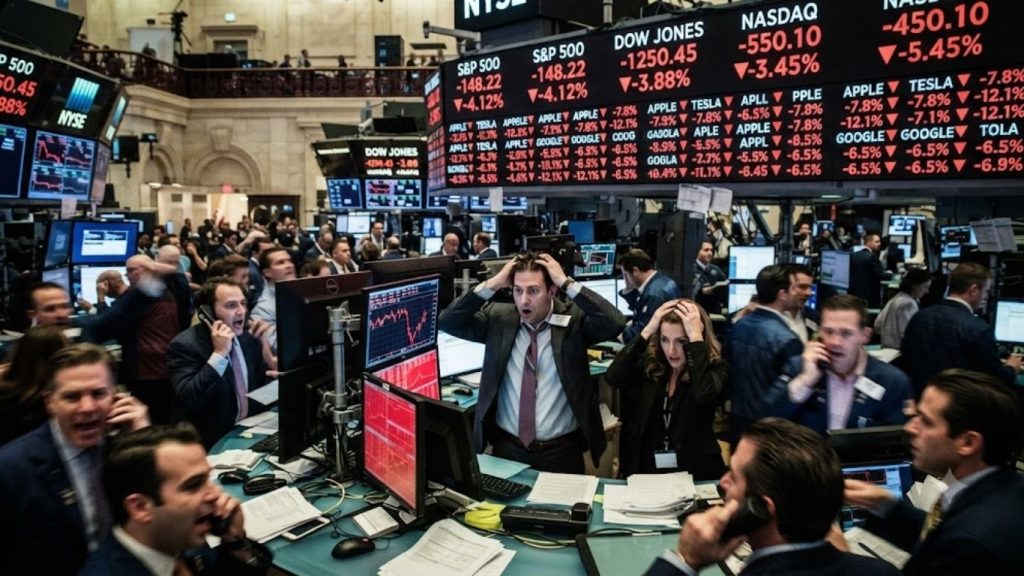
Understanding the reasons behind a sudden stock crash can be stressful for any investor watching their financial portfolio decline. While market volatility often feels unpredictable, it usually stems from a mix of economic indicators, investor sentiment, and broader global events. By learning how to analyze market trends and maintain a long-term investment strategy, you can better navigate these uncertain periods with much more confidence.
Are you worried about your retirement savings vanishing during the next economic downturn? It is natural to feel anxious when stock prices start plummeting, but panicking is rarely the right financial move. Let’s explore how you can protect your hard-earned capital, manage your risk tolerance effectively, and stay calm while waiting for the financial markets to eventually recover.
What Is a Stock Crash?
A stock crash happens when share prices drop suddenly and rapidly across a wide range of securities. It is essentially a violent market correction that wipes out value in a very short time. Many people panic during these events because they fear losing their life savings or retirement funds. However, understanding that these financial events are often driven by panic selling and sudden shifts in investor confidence can help you keep a clear head when everything seems chaotic.
Definition of a Stock Crash
A stock crash occurs when the stock market experiences a sharp and dramatic decline in valuation within a very short timeframe. This sudden event often leads to widespread financial panic, forcing many investors to sell their assets quickly, which unfortunately drives market prices even lower during the turmoil.
- A crash is defined by a massive, rapid drop in equity values that happens suddenly across the entire major stock exchange.
- It typically involves a significant percentage loss in the broad market index, signaling deep distress within the global financial system today.
- The primary cause is often a combination of speculative bubbles bursting and a sudden loss of investor trust and market liquidity.
- Unlike minor dips, a crash represents a systemic failure that deeply impacts the national economy and individual personal wealth accounts everywhere.
How a Stock Crash Differs from Normal Market Volatility
While market volatility refers to the regular, smaller ups and downs of asset prices, a crash is an extreme, one-sided downward movement. Volatility is a normal part of trading activity that happens daily, but a crash represents a rare, severe break from stable growth that triggers widespread fear, liquidation, and a total lack of market confidence among participants.
- Normal market volatility reflects standard daily price fluctuations, whereas a crash is a rare, extreme event involving massive, rapid capital losses.
- While volatile days are part of healthy portfolio management, a crash signals a major disruption that severely impacts long-term asset allocation strategies.
- Investors usually expect some price fluctuation in the market, but a true crash creates an environment of intense, widespread financial panic selling.
- Volatility indicates a market that is actively finding a new price point, while a crash shows a sudden, desperate exit by shareholders.
Why Stock Crashes Matter to Investors
Crashes are significant because they directly threaten your financial security and the overall performance of your investment portfolio. They force everyone to re-evaluate their risk tolerance and future goals. When market liquidity dries up, it becomes difficult to exit positions without taking huge losses, which is why preparation is so essential for protecting your hard-earned wealth against these unpredictable and often very painful economic downturns.
- Stock crashes are critical because they can erase years of compound interest growth and significantly reduce your total net worth instantly.
- These events force investors to reconsider their asset allocation, often leading to a more defensive stance to preserve remaining capital balances.
- A major crash can alter your retirement timeline, making it necessary to work longer or save more to reach your financial goals.
- They serve as a stark reminder that even the most diversified investment strategy is still vulnerable to sudden, systemic market risk shocks.
How Does a Stock Crash Happen?
A stock crash usually starts when something triggers a sudden wave of fear among traders. People begin to worry that their investments will lose value, so they rush to sell their shares as fast as possible. This mass panic selling creates a domino effect that drags stock prices down even further. As the market sentiment turns negative, more people get scared and sell, leading to a rapid and painful collapse in overall asset valuations that hits everyone’s financial portfolio.
Market Mechanics Explained
| Heading | Description |
| The Role of Investor Panic | Explains how sudden fear drives irrational decisions and accelerates the speed of a market downturn. |
| Supply and Demand in Falling Markets | Details how an imbalance where too many sellers overwhelm available buyers causes security prices to plummet. |
| Chain Reactions During Market Sell-Offs | Describes how interconnected financial institutions and automated trading systems cause the initial drop to spread rapidly. |
The Role of Investor Panic
- Panic occurs when market participants lose confidence, leading to a desperate urge to dump equities to avoid further massive financial losses.
- This emotional response creates a cycle where fear drives more fear, causing the stock exchange to experience extremely high selling pressure.
- When everyone tries to exit their positions simultaneously, the market liquidity evaporates, making it impossible to get fair market prices today.
- Understanding this psychological aspect helps you recognize that most market crashes are fueled more by human behavior than by actual company fundamentals.
Supply and Demand in Falling Markets
- In a typical stock crash, the number of people wanting to sell their holdings far exceeds the number of interested active buyers.
- This massive imbalance in market dynamics forces prices to drop sharply until they reach a point where someone finally decides to buy.
- The fundamental law of supply and demand dictates that when supply surges and demand vanishes, the market value will inevitably fall hard.
- Successful investors watch these trading volumes closely because they reveal when the market is finally exhausted and ready for a potential price rebound.
Chain Reactions During Market Sell-Offs
- During a crash, the financial markets often experience a domino effect where one sector’s failure spills over into many other diverse industries.
- Automated trading algorithms can trigger massive, synchronized sell orders, which significantly amplify the speed and severity of the overall market decline trend.
- Once a trend turns negative, margin calls force even more investors to sell, creating a vicious cycle of liquidations and falling asset prices.
- These chain reactions show why it is vital to maintain a balanced investment strategy that can withstand these intense, sudden systemic risks.
Biggest Stock Market Crashes in History
Throughout the years, the financial world has witnessed several moments where equity values plummeted with alarming speed. These events often serve as painful reminders of how quickly market sentiment can shift from optimism to extreme fear. By looking at these historical episodes, we can see common patterns in trading behavior and economic instability. Each situation provides valuable lessons on why risk management and keeping a long-term view are so important for protecting your personal wealth and long-term financial stability.
The Wall Street Crash of 1929
- This historic event marked the end of the “Roaring Twenties” and signaled the start of a decade-long global economic depression era.
- Massive speculative trading and investors buying on margin created a fragile environment that eventually led to a total market collapse suddenly.
- The sudden evaporation of capital gains destroyed countless portfolios and changed how people viewed the safety of the banking system forever.
- It serves as a permanent case study regarding the dangers of excessive market leverage and unchecked enthusiasm within the public exchange floors.
Black Monday (1987)
- On this day, stock exchanges across the globe experienced a stunning, record-breaking percentage drop that shocked the entire investment community worldwide today.
- The sudden decline was largely exacerbated by early forms of automated trading systems that automatically triggered thousands of massive, rapid sell orders.
- This event highlighted how technical glitches and computerized programs can quickly amplify market volatility to levels that surprise even the most experienced.
- Regulators responded by creating new circuit breakers designed to pause trading during extreme turbulence to help restore basic investor market confidence.
The Dot-Com Bubble Crash (2000)
- This period followed a massive run-up in the technology sector, fueled by unrealistic expectations about the future profitability of new internet startups.
- When the bubble finally burst, venture capital dried up instantly, and many high-profile tech companies saw their market capitalization vanish almost completely overnight.
- Many retail investors lost significant portions of their retirement savings because they were heavily concentrated in overvalued, high-risk growth stock assets alone.
- The aftermath forced a major shift toward valuing profitable business models over simple revenue growth, permanently changing the investment landscape for years ahead.
The Global Financial Crisis (2008)
- Triggered primarily by the collapse of the housing market, this crisis quickly spread through the global financial services sector and big banks.
- The crisis led to a massive liquidity crunch, resulting in a worldwide economic recession that impacted families and small businesses for years.
- Governments around the world had to intervene with emergency stimulus packages to prevent a total shutdown of the global credit markets system.
- This era taught investors that systemic risk can originate in niche areas of the economy and quickly infect the entire global market.
Warning Signs of a Stock Crash
Keeping an eye on the health of the financial markets can help you spot potential trouble before a major downturn occurs. When market fundamentals begin to disconnect from reality, it is often a signal that investor confidence might be stretched too thin. By paying attention to these common warning signs, you can better prepare your investment portfolio for potential turbulence. Staying informed and proactive is the best way to safeguard your financial assets against unexpected shifts in the broad market.
Key Indicators to Monitor
| Heading | Description |
| Overvalued Stock Prices | Refers to when asset valuations are significantly higher than what the underlying business performance or profits can actually justify. |
| High Market Speculation | Describes a phase where investors buy assets based on hype rather than intrinsic value, creating dangerous and unsustainable speculative bubbles. |
| Weak Economic Indicators | Poor data regarding GDP growth, rising unemployment, or low consumer spending often signal that an economy is heading toward recession. |
| Rising Corporate Debt | When companies borrow too much, they become vulnerable to rising interest rates, which can quickly lead to widespread corporate bankruptcy risks. |
| Declining Company Earnings | A trend where businesses struggle to maintain their profit margins indicates that the overall economy may be losing its forward momentum. |
Conclusion
Navigating the complexities of the financial markets requires patience, discipline, and a strong commitment to your long-term investment strategy. While witnessing a sudden downturn can be stressful, focusing on your financial goals and maintaining a well-diversified asset allocation can help you weather even the most turbulent times. Remember that market cycles are a natural part of the economic landscape, and staying informed remains the best way to protect your hard-earned wealth from future uncertainty.
Ultimately, your success depends on your ability to manage your risk tolerance and keep a calm, rational perspective. By ignoring short-term market noise and prioritizing fundamental analysis, you will be better equipped to handle any unexpected market volatility. Stay focused, keep your investment horizon in view, and trust that maintaining a steady, researched approach will help you reach your destination despite any temporary financial roadblocks along the way.