
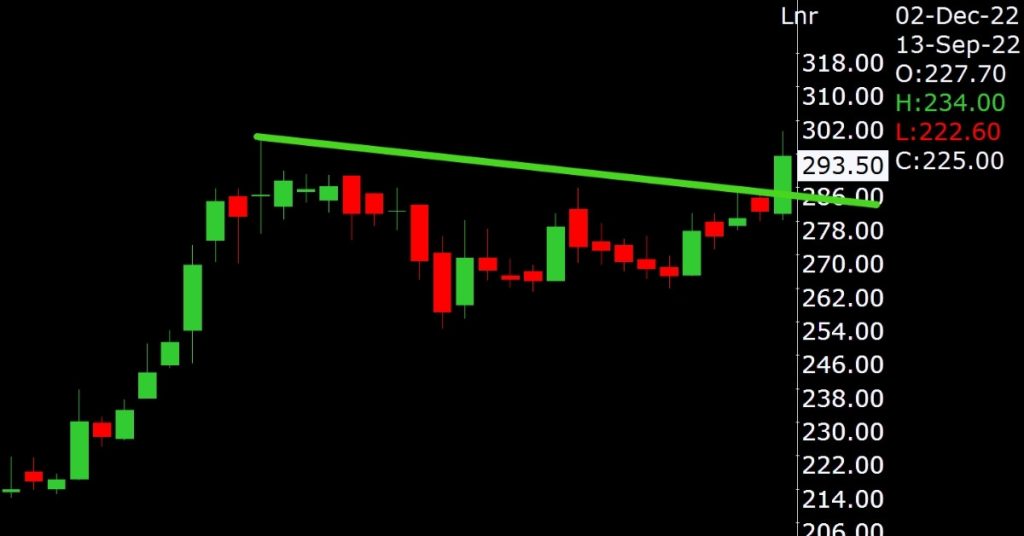
Trading can seem complicated for beginners, but learning the basics has become easier with the availability of free educational resources, market tools, and practice platforms. Understanding stock markets, trading strategies, and risk management is the first step toward building confidence as a trader. how to learn trading for free involves studying different trading styles, analyzing stocks, practicing with demo accounts, and developing disciplined habits before risking real money. Whether you are interested in day trading, swing trading, or long-term investing, a structured learning approach can help you make informed decisions and create a strong foundation for your trading journey.
Quick Facts About Learning Stock Trading
| Fact | Details |
| Main Goal | Learn how financial markets work and develop skills to analyze, buy, and sell stocks effectively |
| Best Way to Start | Begin with free educational resources, market research, and demo trading accounts before using real money |
| Common Trading Styles | Day trading, swing trading, and position trading (long-term trading) |
| Day Trading Timeframe | Trades are opened and closed within the same trading day |
| Swing Trading Timeframe | Positions are usually held for days, weeks, or months |
| Position Trading Timeframe | Investments are held for months, years, or longer periods |
| Essential Skills | Market analysis, risk management, emotional discipline, and creating a trading plan |
| Main Analysis Methods | Fundamental analysis (company value) and technical analysis (price patterns and indicators) |
| Beginner Practice Tool | Demo accounts allow traders to practice with virtual money without financial risk |
| Popular Research Tools | Stock screeners, earnings reports, chart patterns, moving averages, RSI, and market news |
| Important Risk Rule | Many traders limit risk to around 1%–2% of their total capital on a single trade |
| Common Risk/Reward Target | A 1:2 risk/reward ratio is often used to balance potential losses and gains |
| Common Order Types | Market orders, limit orders, stop orders, stop-loss orders, and trailing stops |
| Brokerage Account Purpose | Provides access to stock markets for buying, selling, and managing investments |
| Trading Psychology Focus | Patience, discipline, emotional control, and avoiding impulsive decisions |
| Long-Term Success Factor | Consistent learning, proper risk control, and improving trading strategies over time |
Key Takeaways
Trading stocks involves buying and selling shares of companies with the goal of generating returns from price movements. While trading can provide opportunities, it also carries risks, making education and preparation essential before committing real money.
Some important points beginners should understand include:
- Trading requires knowledge of financial markets, company fundamentals, price movements, and investor psychology.
- Choosing the right trading style depends on available time, risk tolerance, financial goals, and personal preferences.
- Free educational resources, demo accounts, market news, and stock analysis tools can help beginners practice without financial risk.
- Risk management is one of the most important skills because protecting capital is necessary for long-term success.
- Successful traders rely on emotional discipline, patience, research, and a well-defined trading plan instead of making impulsive decisions.
A beginner’s trading journey usually develops through three stages: learning concepts, practicing strategies, and gradually applying knowledge in real market conditions. Many new traders make the mistake of focusing only on profits, but experienced traders prioritize consistency, risk control, and continuous improvement.
1. Decide What Type of Trader You Want to Be
Before opening a brokerage account or buying your first stock, it is important to determine what type of trader matches your goals, lifestyle, and risk tolerance. Different trading styles require different levels of time commitment, market knowledge, and emotional control.
The three major trading styles include day trading, swing trading, and position trading. Each approach follows a different holding period and strategy.
| Trading Style | Holding Period | Time Commitment | Risk Level |
| Day Trading | Intraday trading, positions opened and closed within the same day | High time commitment | High risk and volatility |
| Swing Trading | Several days to weeks or months | Moderate time commitment | Moderate risk |
| Position Trading | Months, years, or decades | Lower time commitment | Low to moderate risk |
Day Trading
Day trading focuses on short-term price movements where traders buy and sell stocks within a single trading session. These traders often analyze market trends, chart patterns, volume changes, and breaking news to find opportunities.
Day traders usually rely heavily on technical analysis tools such as moving averages, relative strength index (RSI), and short-term price patterns. Because positions are held for a short period, decisions must often be made quickly.
However, day trading requires significant attention and emotional discipline. Rapid market movements can create large gains but also cause substantial losses. Beginners should understand that high-frequency trading requires practice, knowledge, and strict risk management.
Swing Trading
Swing trading involves holding stocks for several days, weeks, or sometimes months to benefit from expected price movements. This approach provides more flexibility compared with day trading because traders do not need to monitor markets every minute.
Swing traders often combine technical analysis with fundamental analysis. They may study chart patterns, company earnings, market trends, and economic conditions before entering a trade.
Common tools used by swing traders include:
- Support and resistance levels
- Moving averages
- Chart patterns such as head and shoulders, triangles, and wedges
- Market sentiment analysis
- Earnings reports
Swing trading is often considered suitable for people who have limited time but still want to actively participate in financial markets.
Position Trading (Long-Term Trading)
Position trading focuses on holding investments for months, years, or even decades. Unlike short-term traders, position traders aim to benefit from larger market trends rather than daily price fluctuations.
This style is closely connected with long-term investing principles. Traders usually analyze company fundamentals, industry growth, financial statements, and economic trends before purchasing stocks.
Position traders may use strategies such as:
- Trend following
- Buy-and-hold investing
- Long-term company growth analysis
- Portfolio diversification
This approach generally requires less daily monitoring but still requires patience and strong research skills.
Fast Fact
The best trading style is not determined by which method creates the fastest profits. It depends on a trader’s available time, financial goals, personality, and ability to handle market uncertainty. A person with a full-time job may prefer swing trading or position trading, while someone who can dedicate several hours daily may consider day trading.
2. Research Brokerages and Choose One Suitable for You
Choosing the right brokerage account is one of the most important decisions for beginner traders. A brokerage acts as a platform that allows investors to buy and sell stocks, access market information, analyze investments, and manage their portfolios.
Before selecting a brokerage, beginners should compare important features such as trading fees, available tools, account types, educational resources, customer support, and security measures.
Many modern brokerages offer commission-free stock trading, free educational materials, and demo accounts that allow users to practice with virtual money before investing real capital.
Important factors to consider when comparing brokerages include:
- Trading fees and commissions
- Minimum balance requirements
- Account maintenance fees
- Available investment options
- Research tools and stock screeners
- Mobile and desktop platforms
- Customer service quality
- Security features
Popular brokerage platforms used by traders and investors include Interactive Brokers, TradeStation, thinkorswim, Charles Schwab, Fidelity, Robinhood, E*TRADE, Betterment, and Wealthfront.
Each platform serves different types of users. Some focus on professional trading tools, while others are designed for beginners who want a simple investing experience.
Brokerages for Day Traders
Day traders typically need advanced platforms with fast execution speeds, detailed charts, technical indicators, and professional-level market data.
Platforms commonly used by active traders provide features such as:
- Real-time market data
- Advanced charting tools
- Options trading capabilities
- Custom indicators
- Trading automation features
Professional traders often look for platforms that support quick order placement and detailed market analysis because small price movements can significantly impact results.
Brokerages for Swing Traders
Swing traders usually need a balance between research tools and usability. Since their trades last longer than a single day, they often prioritize chart analysis, company information, and market research.
Useful features include:
- Technical analysis tools
- Earnings reports
- Analyst ratings
- Market news
- Stock screeners
- Portfolio tracking
A strong research environment helps swing traders identify potential opportunities without constantly watching every price movement.
Brokerages for Long-Term Investors
Long-term investors usually focus on reliability, investment choices, educational content, and account management features rather than advanced trading speed.
Platforms suitable for long-term investors often provide:
- Retirement accounts such as traditional and Roth IRAs
- Automated investing options
- Portfolio management tools
- Diversification features
- Educational resources
Robo-advisors such as Betterment and Wealthfront are designed for investors who prefer automated portfolio management based on their financial goals.
Tip
Before depositing real money, beginners should explore whether a brokerage offers a free demo account. These accounts use virtual money, allowing users to practice buying and selling stocks, testing strategies, and understanding order types without risking capital.
3. Open and Fund a Brokerage Account
After selecting a suitable brokerage, the next step is opening an account. The registration process usually requires personal information and financial details to verify identity and comply with regulations.
Most brokerages request information such as:
- Full legal name
- Address
- Date of birth
- Social Security number (SSN) or local identification details depending on location
- Employment information
- Financial background
The purpose of collecting this information is to confirm identity and meet financial regulations.
Investors can usually choose between different account types depending on their goals. Common options include individual taxable accounts, joint accounts, and retirement accounts such as traditional and Roth IRAs.
Funding methods may include:
- Bank transfer
- Wire transfer
- Check deposit
After funding the account, traders can access the brokerage platform and begin researching stocks.
Fast Fact
Most stock trades in the United States now settle on a T+1 settlement basis, meaning completed stock transactions generally settle one business day after the trade date. This change was implemented in May 2024 to improve market efficiency and reduce settlement risks.
Tip
Avoid depositing a large amount of money immediately when you are still learning. Beginners should start with an amount they can afford to lose while building experience. The goal during the early stage is developing knowledge, improving decision-making, and creating consistent trading habits rather than chasing quick profits.
4. Research the Stocks You Want to Own
Research is the foundation of successful trading. Buying a stock without understanding the company, market conditions, and potential risks is similar to making a financial decision without enough information.
Before placing a trade, investors should analyze different factors including company performance, price trends, industry conditions, and market sentiment.
Stock research usually involves two major approaches:
- Fundamental analysis
- Technical analysis
Many experienced traders combine both methods to create a more complete view of potential opportunities.
Fundamental Analysis
Fundamental analysis focuses on evaluating a company’s actual business performance and financial health. Traders using this approach study whether a company has strong growth potential and whether its stock price reflects its true value.
Important factors include:
- Revenue growth
- Profit margins
- Earnings reports
- Company fundamentals
- Debt levels
- Industry position
- Management quality
Investors may also review earnings call transcripts, analyst ratings, and company announcements to understand future expectations.
Read More : What Is Options Trading? How It Works Explained Simply
Fundamental analysis is especially important for position traders who plan to hold stocks for longer periods.
Technical Analysis
Technical analysis studies historical price movements and trading volume to predict possible future trends. Instead of focusing on a company’s financial statements, technical traders analyze market behavior.
Common technical analysis tools include:
- Moving averages
- Relative strength index (RSI)
- Stochastic oscillator
- Chart patterns
- Trend lines
- Support and resistance levels
Traders use these tools to identify possible entry and exit points.
Other Methods
Besides fundamental and technical analysis, traders may use additional research methods to improve decisions. These include:
- News and sentiment analysis
- Market news tracking
- AI-powered chart analysis
- Economic reports
- Industry research
- Social media trends
Some professional traders also follow financial media platforms such as Bloomberg TV to stay updated on market developments.
Tip
Avoid relying on a single indicator or opinion before buying a stock. Strong research combines multiple sources of information and considers both opportunities and risks before making a decision. A complete trading plan should explain why you are entering a trade, your expected target, and when you will exit if the trade moves against you.
5. Place Your Order to Buy or Sell Stocks
After completing research and deciding which stock you want to trade, the next step is placing an order through your brokerage platform. A trading order is an instruction given to a broker to buy or sell a specific stock at a particular price or under certain conditions.
Before placing an order, traders should understand important details such as the stock ticker symbol, number of shares, order type, and time-in-force instructions. These details determine how and when the trade will be executed.
A stock ticker symbol is a unique abbreviation used to identify a publicly traded company. For example, traders use ticker symbols instead of typing full company names when searching for stocks on brokerage platforms.
Common information required before placing an order includes:
- Stock ticker symbol
- Number of shares you want to purchase or sell
- Order type
- Desired price (if applicable)
- Time-in-force preference
Understanding different order types helps traders control their entries, exits, and risk exposure.
Market Orders
A market order instructs the brokerage to buy or sell a stock immediately at the best available current market price. This type of order is commonly used when execution speed is more important than getting a specific price.
For example, if a trader wants to immediately purchase shares of a company, a market order allows the transaction to happen quickly. However, the final execution price may differ slightly from the displayed price because of market fluctuations.
Market orders are often used by investors who prioritize completing the trade rather than waiting for a specific price.
Limit Orders
A limit order allows traders to specify the maximum price they are willing to pay when buying or the minimum price they want to receive when selling.
For example:
- A trader may place a buy limit order at $50 per share when a stock is currently trading at $55.
- The order will only execute if the stock price reaches $50 or lower.
Limit orders provide more control over pricing but do not guarantee that the trade will be completed.
Stop Orders and Stop-Loss Orders
A stop order becomes active when a stock reaches a specific price level. Traders often use stop-loss orders to limit potential losses.
For example, a trader buys a stock at $100 and sets a stop-loss order at $90. If the price falls to $90, the brokerage automatically attempts to sell the position.
Stop-loss orders are an important part of risk management because they prevent emotional decisions during sudden market declines.
Other advanced order features include:
- Trailing stop: Adjusts automatically as the stock price moves favorably, helping protect profits.
- Order modifications and cancellations: Allow traders to change or remove pending orders before execution.
Time-in-Force Terms
Time-in-force instructions tell the brokerage how long an order should remain active. Different options include:
| Order Type | Meaning |
| Day Order | Remains active only during the current trading session |
| Good-’til-Canceled (GTC) | Remains active until the trader cancels it or it expires according to brokerage rules |
| Immediate-or-Cancel (IOC) | Executes immediately, with any unfilled portion canceled |
| All-or-None (AON) | Requires the complete order quantity to be filled |
| Fill-or-Kill (FOK) | Must be completely executed immediately or canceled |
| Market on Open (MOO) | Executes at the market opening price |
| Market on Close (MOC) | Executes near the market closing price |
Important
Never place a trade based only on emotions, social media recommendations, or market hype. A professional trader follows a predefined trading plan that includes entry points, exit strategies, position sizing, and acceptable risk levels.
Successful traders understand that placing an order is only one part of trading. The bigger challenge is managing decisions before, during, and after the trade.
6. Manage Risk
Risk management is one of the most important skills every trader must develop. Even experienced traders experience losing trades, but successful traders protect their capital by controlling how much they are willing to lose.
Many beginners focus mainly on finding profitable trades, but long-term success depends more on managing losses effectively.
A strong risk management strategy includes:
- Setting a maximum loss limit before entering a trade
- Using proper position sizing
- Maintaining a healthy risk/reward ratio
- Avoiding excessive leverage
- Diversifying investments
- Controlling emotions
One common guideline followed by many traders is risking only 1% to 2% of total trading capital on a single trade. This approach helps prevent one unsuccessful trade from causing major financial damage.
Position Sizing
Position sizing determines how much money should be invested in a specific trade. Instead of putting all available capital into one stock, traders calculate an appropriate position size based on their risk tolerance.
For example, if a trader has a $10,000 account and follows a 1% risk rule, they may limit their maximum loss on a single trade to around $100.
This approach allows traders to survive multiple losing trades while continuing their trading journey.
Risk/Reward Ratio
The risk/reward ratio compares the potential loss of a trade with its possible gain. Many traders aim for a 1:2 risk/reward ratio, meaning they attempt to make twice as much as they are willing to risk.
For example:
- Potential loss: $100
- Potential profit target: $200
A favorable risk/reward ratio does not guarantee success, but it helps traders create strategies where profitable trades can outweigh losses over time.
Diversification
Diversification means spreading investments across different companies, industries, or asset types instead of depending on a single investment.
A diversified portfolio can reduce the impact of one company performing poorly.
Examples of diversification include:
- Investing in different industries
- Holding multiple companies
- Combining stocks with other asset classes
- Avoiding excessive exposure to one market sector
Emotional Discipline
Trading psychology plays a major role in performance. Fear, greed, and impatience often cause traders to ignore their plans and make poor decisions.
Emotional discipline helps traders:
- Follow their trading strategy
- Accept losses without panic
- Avoid revenge trading
- Stay patient during market volatility
Experienced traders understand that losses are part of the process. The goal is not avoiding every loss but maintaining consistency and protecting capital.
Are There Main Differences Between Trading and Investing?
Although trading and investing both involve buying financial assets, they differ significantly in goals, timeframes, and decision-making approaches.
Trading focuses on taking advantage of shorter-term price movements, while investing usually focuses on long-term wealth creation through company growth.
| Feature | Trading | Investing |
| Time Horizon | Minutes, days, weeks, or months | Years or decades |
| Main Goal | Profit from price movements | Build long-term wealth |
| Research Focus | Price trends, technical analysis, market conditions | Company fundamentals and growth potential |
| Activity Level | More frequent buying and selling | Lower transaction frequency |
| Risk Level | Often higher due to short-term volatility | Generally lower with long-term strategies |
Traders may use strategies such as:
- Day trading
- Swing trading
- Scalping
- Trading the news
- Trend following
- Contrarian trading
Investors commonly follow strategies such as:
- Buy-and-hold investing
- Dividend investing
- Long-term portfolio growth
Neither approach is automatically better. The right choice depends on personal goals, knowledge, available time, and risk tolerance.
A person who enjoys analyzing daily market movements may prefer trading, while someone seeking gradual wealth growth may prefer investing.
What Are Some Common Trading Strategies?
Successful traders usually follow structured strategies instead of making random decisions. A trading strategy defines when to enter a position, when to exit, and how much risk to accept.
Some widely used trading strategies include:
Trend Following
Trend following involves identifying the direction of market movement and trading in alignment with that trend.
For example:
- Buying stocks during an upward trend
- Selling or avoiding stocks during downward trends
Traders often use moving averages and price patterns to identify trends.
Scalping
Scalping is a short-term strategy where traders attempt to profit from very small price movements. Scalpers may complete many trades in a single day.
This strategy requires:
- Fast decision-making
- Strong market knowledge
- Low transaction costs
- Emotional control
Because profits per trade are usually small, mistakes can quickly accumulate.
Trading the News
News-based trading focuses on price movements caused by important announcements such as:
- Earnings reports
- Economic data releases
- Company announcements
- Industry developments
While news can create opportunities, markets can react unpredictably, making risk management essential.
Contrarian Trading
Contrarian traders attempt to profit by going against popular market sentiment. They may buy undervalued stocks when others are pessimistic or sell when market enthusiasm appears excessive.
This approach requires strong research because going against the majority can be risky without proper analysis.
Is Technical Analysis or Fundamental Analysis More Important in Trading?
Both technical analysis and fundamental analysis provide valuable information, but their importance depends on the trader’s strategy and timeframe.
Technical analysis focuses on price behavior, while fundamental analysis examines the actual strength and value of a company.
Day traders often rely more heavily on technical analysis because they focus on short-term price movements. They analyze charts, indicators, and market patterns to identify trading opportunities.
Read More : What Is Intraday Trading? How It Works Explained Simply
Long-term traders and investors usually give more importance to fundamental analysis because company performance and growth potential influence long-term value.
A balanced approach often combines both methods:
- Fundamental analysis helps determine what to buy.
- Technical analysis helps determine when to buy or sell.
Neither method can predict the market with complete accuracy. Successful traders use analysis as a decision-making tool rather than a guarantee of profits.
What Are the Traits of a Successful Trader?
Successful traders develop habits that help them make better decisions and handle market uncertainty.
Important qualities include:
Discipline
Disciplined traders follow their trading plans even when emotions influence their decisions. They avoid impulsive trades and respect their risk limits.
Patience
Markets do not always provide opportunities immediately. Successful traders wait for high-quality setups instead of forcing trades.
Continuous Learning
Financial markets constantly change. Successful traders continue improving through educational resources, market research, and reviewing previous trades.
Adaptability
Market conditions can change quickly. Traders must adjust strategies when volatility, economic conditions, or trends change.
Emotional Control
Managing emotions is essential because fear and greed can lead to poor decisions. Professional traders focus on process rather than short-term results.
The Bottom Line
Learning how to trade stocks requires education, practice, and patience. Beginners do not need expensive programs to start building trading knowledge. Free resources, demo accounts, research tools, and market education platforms can provide a strong foundation.
The most important steps include choosing the right trading style, selecting a suitable brokerage, researching stocks carefully, understanding order types, and applying effective risk management.
Trading success does not come from predicting every market movement. It comes from developing a disciplined process, protecting capital, and continuously improving skills.
By following a structured Learning Approach, beginners can confidently begin their trading journey and build the knowledge needed for long-term success.
Frequently Asked Questions
Can I learn trading for free?
Yes, beginners can learn trading for free through educational websites, financial books, market analysis videos, brokerage learning centers, and demo trading accounts. Free resources can teach market basics, technical analysis, fundamental analysis, and risk management.
How long does it take to learn trading?
The time required depends on dedication, learning speed, and practice. Some beginners understand basic concepts within weeks, while developing consistent trading skills may take months or years.
Is trading stocks risky for beginners?
Yes, stock trading involves financial risk. Beginners should start with education, practice with virtual money, and use proper risk management before investing significant capital.
Can I start trading without money?
Yes, many platforms offer demo accounts where users can practice trading with virtual money. These accounts help beginners understand market movements without risking real funds.
What is the best trading style for beginners?
Many beginners start with swing trading or long-term investing because these approaches generally require less constant monitoring compared with day trading. The best choice depends on individual goals and risk tolerance.
Do I need advanced mathematics to trade stocks?
No. Basic financial knowledge, analytical thinking, and understanding market concepts are more important than advanced mathematics for most individual traders.
Final Word
Learning how to trade stocks requires a structured approach that combines education, research, practice, and risk management. Beginners can start their trading journey for free by understanding different trading styles, selecting suitable brokerages, studying stocks through fundamental and technical analysis, and practicing with demo accounts. Whether choosing day trading, swing trading, or long-term investing, developing a clear trading plan is essential for making informed decisions.
Successful traders focus on protecting capital, maintaining emotional discipline, and continuously improving their skills. By mastering order types, risk management strategies, and market analysis methods, beginners can build confidence and work toward long-term success in financial markets.

