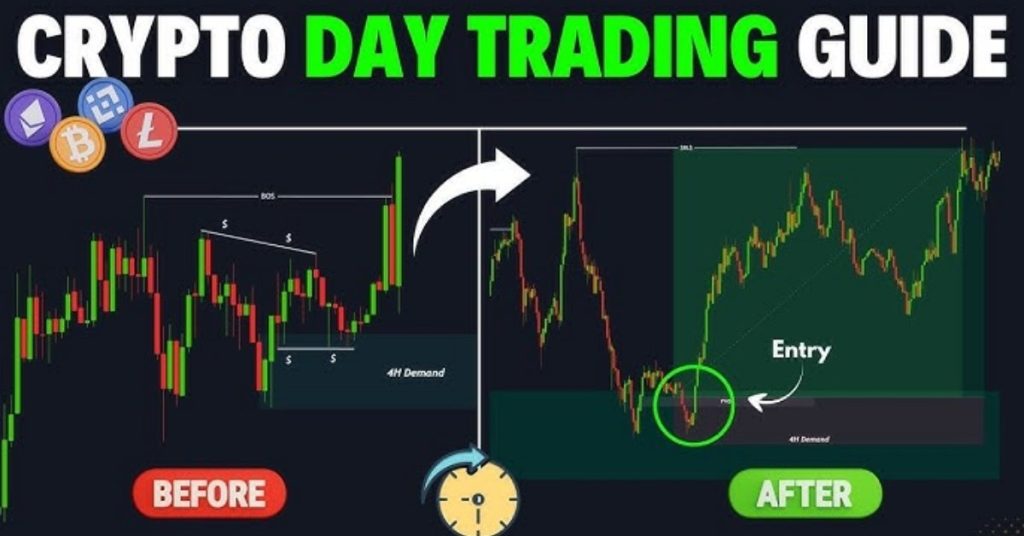
Bitcoin trading has become one of the most discussed financial activities in recent years. As the first and most valuable cryptocurrency, Bitcoin attracts millions of traders who aim to benefit from price movements in the digital asset market. However, successful trading requires more than simply buying Bitcoin and waiting for its price to increase. It involves understanding market trends, choosing the right trading strategy, managing risks, and making informed decisions.
For beginners, learning how to start trading in bitcoin can feel overwhelming because the cryptocurrency market operates differently from traditional financial markets. This guide explains the essential steps, tools, strategies, and safety practices needed to begin Bitcoin trading with confidence.
Table of Contents
ToggleWhat Is Bitcoin Trading?
Bitcoin trading involves buying and selling Bitcoin to take advantage of changes in its market price. Unlike long-term investing, where investors hold Bitcoin for years hoping for future growth, trading focuses on shorter-term price movements.
Traders analyze market conditions and attempt to predict whether Bitcoin’s price will rise or fall. They may open positions during price dips and sell when prices increase, or they may use advanced methods such as short selling to profit from declining prices.
Bitcoin trading takes place 24 hours a day, seven days a week because cryptocurrency markets never close. This constant activity creates many opportunities but also increases the risk of sudden price changes.
Understand How the Bitcoin Market Works
Before placing your first trade, it is important to understand the basic factors that influence Bitcoin prices.
Bitcoin’s price is affected by several elements, including:
- Supply and demand: Bitcoin has a limited supply of 21 million coins, which influences its scarcity and value.
- Market sentiment: News, social media trends, and investor confidence can cause rapid price changes.
- Regulations: Government decisions and cryptocurrency laws can impact market behavior.
- Institutional adoption: Companies and financial institutions investing in Bitcoin can influence demand.
- Economic conditions: Inflation, interest rates, and global financial events often affect cryptocurrency markets.
Understanding these factors helps traders make better decisions instead of relying only on emotions or speculation.
Choose a Reliable Bitcoin Trading Platform
The first practical step in Bitcoin trading is selecting a cryptocurrency exchange. A trading platform allows you to buy, sell, store, and manage Bitcoin transactions.
When choosing an exchange, consider factors such as:
- Security features
- Trading fees
- Available payment methods
- User interface
- Customer support
- Liquidity and trading volume
A reliable platform should provide strong security measures, including two-factor authentication and withdrawal protection.
After selecting an exchange, you typically need to:
- Create an account.
- Complete identity verification.
- Deposit funds.
- Transfer money into your trading wallet.
- Start buying or selling Bitcoin.
Beginners should avoid platforms with unclear security practices or unrealistic promises of guaranteed profits.
Learn Basic Bitcoin Trading Terms
Understanding cryptocurrency terminology is essential before entering the market.
Some common Bitcoin trading terms include:
Market Order:
A trade executed immediately at the current market price.
Limit Order:
An order placed to buy or sell Bitcoin at a specific price.
Stop-Loss Order:
A risk management tool that automatically closes a trade when the price reaches a certain level.
Bull Market:
A period when Bitcoin prices are generally rising.
Bear Market:
A period when Bitcoin prices are declining.
Volatility:
The speed and size of price movements in the market.
Learning these concepts allows beginners to understand trading platforms and make informed decisions.
Select a Bitcoin Trading Strategy
Successful traders usually follow a specific strategy instead of making random trades. Different strategies suit different goals, experience levels, and risk preferences.
Day Trading
Day trading involves opening and closing Bitcoin positions within the same day. Traders attempt to profit from small price movements.
This strategy requires:
- Regular market monitoring
- Technical analysis skills
- Quick decision-making
Day trading can generate frequent opportunities but also carries higher risks due to rapid price fluctuations.
Swing Trading
Swing trading focuses on capturing medium-term price movements. Traders may hold Bitcoin positions for several days or weeks.
This approach is popular among beginners because it requires less constant monitoring compared with day trading.
Scalping
Scalping involves making many small trades throughout the day to capture minor price changes.
Although profits from individual trades may be small, experienced scalpers attempt to accumulate gains over time.
Long-Term Bitcoin Trading
Some traders combine investing and trading by holding Bitcoin for longer periods while taking advantage of major market cycles.
This strategy requires patience and strong belief in Bitcoin’s long-term potential.
Learn Bitcoin Technical Analysis
Technical analysis helps traders evaluate price charts and identify possible trading opportunities.
Important technical analysis tools include:
Candlestick Charts
Candlestick charts display Bitcoin’s opening, closing, highest, and lowest prices during a specific period. Traders use these patterns to identify market trends.
Support and Resistance Levels
Support represents a price level where buying interest may increase, while resistance represents a level where selling pressure may appear.
Moving Averages
Moving averages help traders identify overall market direction by smoothing price fluctuations.
Trading Volume
Volume shows how much Bitcoin is being bought and sold. High trading volume often indicates stronger market activity.
While technical analysis is useful, no method can predict Bitcoin prices with complete accuracy.
Practice With a Demo Account
New traders should consider practicing before risking real money. Many trading platforms offer demo accounts where users can simulate trades using virtual funds.
A demo account helps beginners:
- Understand platform features
- Test trading strategies
- Learn market analysis
- Build confidence
Practicing first can prevent costly mistakes when real money is involved.
Manage Your Bitcoin Trading Risks
Risk management is one of the most important parts of cryptocurrency trading. Even experienced traders experience losses, so protecting your capital should be a priority.
Some effective risk management techniques include:
Avoid Investing More Than You Can Lose
Bitcoin prices can change dramatically within short periods. Only trade money you can afford to lose.
Use Stop-Loss Orders
A stop-loss order limits potential losses by automatically closing a trade when Bitcoin reaches a specific price.
Diversify Your Investments
Avoid putting your entire portfolio into one asset. Diversification can reduce overall risk.
Control Your Emotions
Fear and greed often lead to poor trading decisions. Successful traders rely on analysis and planning rather than emotional reactions.
Keep Up With Bitcoin Market News
The cryptocurrency market changes quickly. Staying updated with industry news can help traders understand potential price movements.
Important areas to follow include:
- Bitcoin network developments
- Cryptocurrency regulations
- Economic announcements
- Institutional investments
- Market trends
However, traders should avoid making decisions based only on online rumors or social media hype.
Common Mistakes New Bitcoin Traders Make
Many beginners lose money because they enter the market without proper preparation.
Common mistakes include:
- Trading without a strategy
- Investing money based on emotions
- Using excessive leverage
- Following random online predictions
- Ignoring risk management
- Expecting guaranteed profits
Bitcoin trading requires discipline, patience, and continuous learning.
Is Bitcoin Trading Profitable?
Bitcoin trading can be profitable, but it is not a guaranteed way to make money. The market offers opportunities because of its volatility, but those same price movements create significant risks.
Successful traders focus on:
- Learning market behavior
- Developing effective strategies
- Managing losses
- Improving their skills over time
Profitability usually comes from experience, research, and consistent decision-making rather than quick attempts to get rich.
Final Thoughts
Learning how to start trading in bitcoin requires understanding the cryptocurrency market, selecting a secure trading platform, developing a strategy, and practicing proper risk management. Bitcoin trading can provide opportunities for financial growth, but it requires knowledge, patience, and discipline.
Beginners should start small, focus on education, and avoid emotional decisions. By building strong trading habits and continuously improving market skills, anyone can develop a better understanding of Bitcoin trading and participate more confidently in the digital asset economy.