
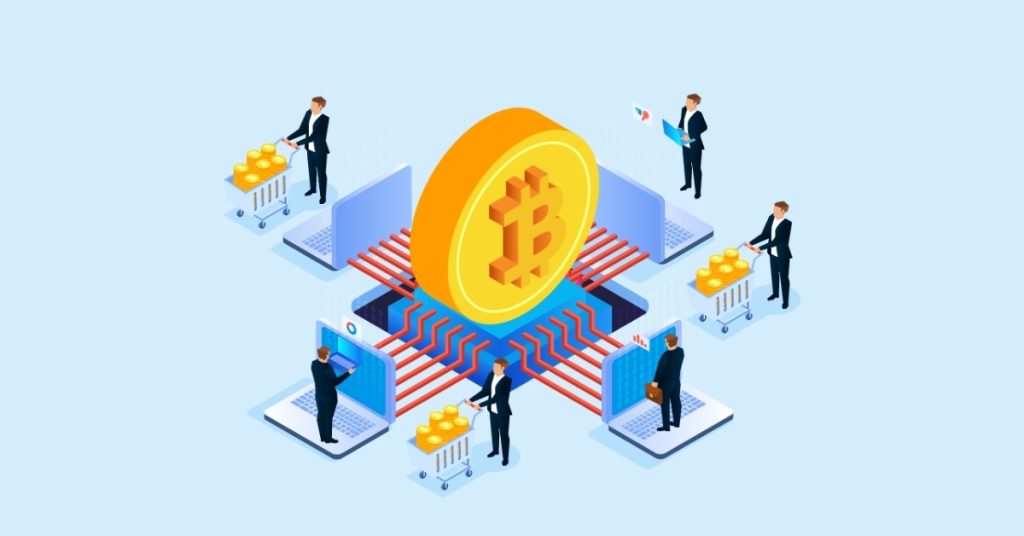
Decentralized finance is reshaping the modern financial landscape by using blockchain technology, smart contracts, and digital assets to create open and accessible financial systems. Decentralized finance enables users to access lending, trading, payments, and investment opportunities without depending on traditional intermediaries like banks. Built on networks such as Ethereum, Solana, and Avalanche, DeFi improves transparency, automation, and global financial access. However, users must understand important challenges, including smart contract vulnerabilities, market volatility, security threats, and governance risks. As adoption grows among individuals and institutions, DeFi continues to influence the future of financial services through innovation, efficiency, and decentralized control.
Quick Facts About Decentralized Finance
| Category | Details |
| Full Name | Decentralized Finance |
| Common Term | DeFi |
| Core Technology | Blockchain networks and smart contracts |
| Main Purpose | Providing open financial services without traditional intermediaries |
| Major Networks | Ethereum, Solana, Avalanche, Optimism, Arbitrum |
| Key Applications | Lending, trading, payments, borrowing, asset management |
| Important Tokens | ETH (Ether), UNI, AAVE, MKR, COMP |
| Stablecoins Used | USDC, DAI |
| 2026 Estimated Market Value | $238.54 billion |
| 2031 Projected Market Value | $770.56 billion |
| Main Benefits | Transparency, accessibility, faster settlement, global access |
| Main Risks | Smart contract vulnerabilities, hacks, liquidation, governance issues |
What is Decentralized Finance?
Decentralized finance, commonly known as DeFi, refers to a blockchain-based financial ecosystem that allows users to access financial services without relying on traditional intermediaries such as banks, brokers, or payment processors. Instead of centralized institutions controlling transactions, DeFi applications use smart contracts, decentralized networks, and cryptographic technology to automate financial activities.
Traditional finance depends on organizations that verify transactions, manage accounts, approve loans, and control access to financial products. DeFi changes this model by allowing users to interact directly with digital protocols through wallets connected to blockchain networks.
Most DeFi applications are built on public blockchains such as Ethereum, Solana, Avalanche, Optimism, and Arbitrum. These networks act as a neutral settlement layer where transactions are verified by distributed nodes rather than a single authority. Smart contracts execute predefined rules automatically, reducing the need for manual approval and improving transaction efficiency.
The DeFi ecosystem includes various financial services, including:
- Decentralized exchanges (DEXs) for cryptocurrency trading.
- Lending protocols that allow users to borrow and lend digital assets.
- Stablecoins such as USDC and DAI that provide price stability.
- Yield platforms that allow users to earn returns on their assets.
- Governance systems that enable token holders to participate in protocol decisions.
Unlike traditional financial systems, DeFi operates on an open-access model. Anyone with an internet connection and a compatible digital wallet can interact with many decentralized applications. This broader access has made DeFi particularly attractive in regions where traditional banking infrastructure is limited.
However, DeFi is not simply a replacement for banks. It represents a different approach to financial infrastructure where transparency, automation, and user control are central principles.
What Problems Does Decentralized Finance Attempt to Solve?
DeFi was created to address several limitations found in traditional financial systems. While banks and financial institutions provide valuable services, they often involve restrictions, delays, geographical limitations, and high operational costs.
Decentralized finance focuses on creating a more open financial environment where users can access services directly through blockchain technology. The main problems DeFi attempts to solve include limited financial access, inefficient processes, and lack of transparency.
Access
One of the biggest challenges in traditional finance is unequal access to financial services. According to global financial inclusion estimates, around 1.3 billion adults remain unbanked worldwide. Many people lack access to bank accounts, credit systems, investment products, or affordable payment solutions.
DeFi attempts to reduce these barriers by providing financial tools through internet-connected devices. A user does not necessarily need a traditional bank account to participate. Instead, they can use a digital wallet and interact with decentralized applications.
This model can be especially valuable in developing regions where banking infrastructure is limited. Around 900 million people without traditional banking access have mobile phones, creating opportunities for blockchain-based financial solutions.
Examples of improved access through DeFi include:
- Global lending markets available without traditional credit checks.
- Cross-border payments without multiple banking intermediaries.
- Access to digital assets through decentralized platforms.
- Financial tools available outside traditional operating hours.
Stablecoins such as USDC and DAI also contribute to accessibility by allowing users to hold digital assets designed to maintain a stable value. These assets can support payments, savings, and transfers without depending entirely on local banking systems.
However, accessibility does not eliminate all challenges. Users still need technical knowledge about wallets, private keys, transaction fees, and security practices to participate safely.
Efficiency
Traditional financial systems often involve multiple intermediaries, which can increase costs and slow transaction processing. A payment moving across countries may require several institutions to verify, process, and settle the transaction.
DeFi improves efficiency by using smart contracts and blockchain automation. Transactions can be processed directly between users and protocols without manual approval from centralized organizations.
Key efficiency improvements include:
- Faster settlement times.
- Automated financial operations.
- Reduced dependence on intermediaries.
- Greater interoperability between digital platforms.
For example, lending protocols such as Aave and Compound allow users to deposit assets, earn interest, and borrow funds through automated smart contracts. These systems operate continuously without requiring traditional loan officers or banking infrastructure.
Stablecoins have also improved payment efficiency. Businesses exploring blockchain-based settlement have reported potential cost reductions of up to 50% when moving certain payment operations from traditional systems to stablecoin-based solutions.
However, efficiency depends on blockchain performance. High demand can increase gas fees, especially on networks experiencing congestion. Scaling solutions and Layer 2 networks such as Optimism and Arbitrum aim to improve transaction speed while reducing costs.
Control and Transparency
A major advantage of DeFi is that users maintain greater control over their assets. Instead of depositing funds into a bank-controlled account, users interact with protocols directly through wallets and cryptographic keys.
Blockchain technology creates built-in transparency because transactions are recorded on public blockchains. Anyone can verify transaction activity, protocol operations, and asset movements.
This transparency provides several benefits:
- Public transaction records.
- Open verification of smart contract activity.
- Reduced dependence on centralized reporting.
- Greater visibility into protocol operations.
Governance tokens also allow communities to participate in decision-making. Tokens such as UNI from Uniswap, AAVE from Aave, MKR from MakerDAO, and COMP from Compound give holders voting power over specific protocol changes.
Despite these advantages, transparency does not automatically guarantee safety. Users must evaluate smart contract audits, governance structures, and protocol risks before committing funds.
How Does Decentralized Finance Infrastructure Work?
DeFi relies on multiple interconnected technologies that work together to create an open financial ecosystem. Unlike traditional banking infrastructure, which depends on centralized databases and institutions, DeFi uses blockchain networks, smart contracts, tokens, wallets, and decentralized applications.
The foundation of DeFi is a combination of blockchain security, automated execution, and user-controlled access.
Blockchains
Blockchains are the underlying networks that support decentralized finance applications. A blockchain is a distributed ledger system where transactions are stored across multiple computers called nodes.
Public blockchains such as Ethereum allow anyone to verify transactions and interact with decentralized applications. These networks provide the infrastructure needed for DeFi protocols to operate without centralized control.
Some major blockchain networks used in DeFi include:
- Ethereum — the largest smart contract ecosystem and home to many major DeFi applications.
- Solana — known for high transaction speeds and lower costs.
- Avalanche — designed for scalable blockchain applications.
- Arbitrum and Optimism — Layer 2 networks that improve Ethereum scalability.
Private blockchains may also be used by organizations seeking controlled environments, but most DeFi applications operate on public blockchain networks because openness and interoperability are key principles.
Tokens
Tokens represent digital assets that operate within blockchain ecosystems. In DeFi, tokens can represent ownership, governance rights, currencies, or financial positions.
Common token categories include:
- Native tokens such as Ether, which powers the Ethereum network.
- Governance tokens that allow voting participation.
- Stablecoins designed to maintain stable prices.
- Utility tokens used within specific applications.
Tokens are essential because they allow value transfer and financial activities to happen directly onchain.
Wallets
Digital wallets provide users access to their blockchain assets. Unlike traditional bank accounts, wallets do not store money directly. Instead, they store cryptographic keys that allow users to control blockchain-based assets.
Wallet security is extremely important because losing private keys can result in permanent loss of funds.
Common wallet functions include:
- Sending and receiving tokens.
- Connecting with DeFi applications.
- Approving smart contract interactions.
- Managing digital assets.
Users must carefully protect wallet credentials and avoid malicious applications that attempt to steal access.
How Does Decentralized Finance Infrastructure Work?
Smart Contract Platforms
Smart contract platforms are the backbone of decentralized finance because they allow developers to create automated financial applications. A smart contract is a self-executing program stored on a blockchain that automatically performs actions when specific conditions are met.
Smart contract platforms provide several important benefits:
- Automated execution without manual approval.
- Reduced dependence on centralized institutions.
- Transparent rules that users can verify.
- Greater interoperability between applications.
- Global accessibility through internet-based systems.
However, smart contracts also introduce technical risks. A programming error can create vulnerabilities that attackers may exploit. Because financial activities are often automated and irreversible, smart contract security has become one of the most important areas of DeFi development.
Developers commonly use security measures such as audits, bug bounties, and formal verification to reduce potential weaknesses. These processes analyze code before deployment and help identify possible security issues.
Decentralized Exchanges and AMMs
Decentralized exchanges (DEXs) allow users to trade digital assets without relying on centralized cryptocurrency exchanges. Instead of matching buyers and sellers through a traditional order book, many DeFi exchanges use automated market makers (AMMs).
AMMs use liquidity pools where users, known as liquidity providers, deposit cryptocurrency assets. These pools allow traders to exchange tokens automatically based on mathematical formulas.
One of the most recognized decentralized exchanges is Uniswap, an Ethereum-based platform that popularized the AMM model. Other major platforms include Curve, which specializes in stablecoin trading, and various DEXs operating across networks such as Solana and Avalanche.
The AMM model provides several advantages:
- Continuous trading availability.
- No requirement for centralized account approval.
- Global access to cryptocurrency markets.
- Opportunities for users to earn fees as liquidity providers.
For example, a liquidity provider may deposit two tokens into a pool and receive a portion of trading fees generated by users who swap assets through that pool.
However, liquidity providers face risks such as impermanent loss. This occurs when the price relationship between deposited assets changes significantly compared with simply holding the assets separately.
DEX users must also consider transaction costs, network congestion, and the security of smart contracts controlling liquidity pools.
Lending Protocols
Lending protocols are among the most popular applications in decentralized finance. They allow users to lend digital assets, earn interest, and borrow funds without traditional banks.
Platforms such as Aave, Compound, and MakerDAO use smart contracts to manage lending activities automatically. Instead of relying on credit scores, DeFi lending generally uses overcollateralization, meaning borrowers provide assets worth more than the amount they borrow.
For example, a user may deposit Ether as collateral to borrow stablecoins such as USDC or DAI. If the collateral value falls below a required level, the protocol may automatically liquidate the position to protect lenders.
Major benefits of DeFi lending include:
- Open access to global borrowing markets.
- Transparent interest rates.
- Automated loan management.
- Faster settlement compared with traditional lending.
MakerDAO is particularly important because it developed DAI, one of the most widely used decentralized stablecoins. DAI attempts to maintain a stable value through collateral management and governance mechanisms.
Despite their advantages, lending protocols carry risks. Sudden market movements can trigger liquidations, while protocol failures or smart contract vulnerabilities can affect user funds.
Oracles and Governance
DeFi applications often require external information to operate correctly. Blockchains cannot naturally access outside data, so they rely on oracles to provide information such as cryptocurrency prices, market data, and real-world events.
Read More : Crypto Industry Explained: How Cryptocurrency Really Works
Oracles act as bridges between blockchain networks and external sources. Chainlink is one of the most widely used decentralized oracle networks, providing price feeds for many DeFi applications.
Without reliable oracles, lending platforms, derivatives markets, and automated trading systems may not function properly.
Governance is another important part of DeFi infrastructure. Many protocols use governance tokens to allow communities to vote on changes, including:
- Protocol upgrades.
- Fee structures.
- Risk parameters.
- Treasury management decisions.
Examples include:
- UNI holders participating in Uniswap governance.
- AAVE token holders voting on Aave protocol changes.
- MKR holders managing MakerDAO decisions.
- COMP holders influencing Compound development.
However, governance systems can create challenges. Large token holders may gain significant influence, leading to governance concentration. This can reduce decentralization if decision-making becomes controlled by a small group.
What Are the Financial Advantages of Decentralized Finance?
Decentralized finance provides several financial advantages by creating a more open, programmable, and globally accessible alternative to traditional financial systems. Through blockchain networks and smart contracts, DeFi enables financial activities that previously required banks, brokers, and other intermediaries.
One of the biggest advantages is broader access. Traditional financial services often depend on location, credit history, and institutional approval. DeFi protocols operate globally, allowing users to interact with financial applications through digital wallets.
Key financial advantages include:
- Global financial access: Users can participate in lending, trading, and payments from almost anywhere with internet access.
- Faster settlement: Blockchain transactions can settle significantly faster than many traditional international payment systems.
- Lower operational costs: Automation reduces the need for multiple intermediaries.
- Transparent financial activity: Blockchain records create publicly verifiable transaction histories.
- Programmable finance: Developers can create new financial products using smart contracts.
Cross-border payments are one area where DeFi technology has created significant opportunities. Traditional international transfers may involve multiple banks, currency conversions, and processing delays. Blockchain-based systems can simplify these processes by allowing direct digital asset transfers.
Stablecoins have become particularly important for payment applications. Assets like USDC provide a digital representation of traditional currencies, allowing faster movement of value across blockchain networks.
DeFi also creates competitive yields through decentralized lending and liquidity markets. Users can provide capital to protocols and earn returns based on market demand rather than traditional savings rates.
Another important advantage is interoperability. Different DeFi applications can connect with each other, creating a financial ecosystem where users can combine multiple services. For example, a user may borrow assets from one protocol, trade them on a decentralized exchange, and use another platform for yield opportunities.
This interconnected system has created what many describe as a new financial infrastructure layer built on blockchain technology.
What Security and Governance Risks Must DeFi Users Understand?
Although decentralized finance offers innovation and efficiency, it also introduces significant risks. Unlike traditional financial institutions that may provide customer protection systems, many DeFi users are responsible for managing their own security and understanding protocol risks.
The rapid growth of DeFi has attracted both legitimate developers and malicious actors. In 2024, attackers extracted approximately $2.2 billion from cryptocurrency-related exploits, highlighting the importance of security awareness.
Users should evaluate protocol design, audits, governance structures, and risk management before committing funds.
Smart Contract Vulnerabilities
Smart contract vulnerabilities are among the biggest risks in DeFi. Because smart contracts control billions of dollars in digital assets, coding mistakes can create opportunities for attackers.
A vulnerable smart contract may allow hackers to:
- Drain liquidity pools.
- Manipulate transaction logic.
- Access restricted functions.
- Exploit pricing mechanisms.
Security audits, bug bounty programs, and formal verification are common methods used to improve smart contract safety. However, audits do not guarantee complete protection because new vulnerabilities can appear after deployment.
Users should research whether a protocol has undergone professional audits and whether developers maintain active security practices.
Rug Pulls and Malicious Design
Rug pulls occur when project creators intentionally design systems that allow them to steal user funds or abandon a project after attracting investment.
These scams often involve:
- Fake development teams.
- Unrealistic promises of returns.
- Hidden admin keys.
- Poorly designed token economics.
- Limited transparency.
Malicious design can also involve hidden functions that allow developers to freeze assets, create unlimited tokens, or manipulate protocol operations.
Before using a DeFi platform, users should examine:
- The reputation of developers.
- Code transparency.
- Community activity.
- Token distribution.
- Governance structure.
Market-Driven Liquidation Risk
DeFi lending platforms depend on collateral systems to protect lenders. However, market volatility can create liquidation risks for borrowers.
When collateral prices fall below required levels, smart contracts automatically sell assets to repay loans. This process protects the protocol but can result in significant losses for borrowers.
Events such as the TerraUSD collapse in 2022 demonstrated how quickly confidence and asset values can disappear during extreme market conditions.
Borrowers should understand:
- Collateral requirements.
- Liquidation thresholds.
- Market volatility.
- Interest rate changes.
Overcollateralization reduces some risks but does not eliminate the impact of sudden price movements.
Governance Concentration
DeFi governance aims to distribute decision-making among users, but governance concentration remains a major challenge.
If a small number of individuals or organizations control large amounts of governance tokens, they may influence important protocol decisions.
Potential concerns include:
- Centralized voting power.
- Changes benefiting large holders.
- Reduced community participation.
- Conflicts of interest.
Strong governance requires active communities, transparent voting systems, and mechanisms that encourage broad participation.
How Can Institutions Adopt Decentralized Finance Safely?
Institutional adoption of decentralized finance requires a more structured approach than individual participation. Banks, investment firms, payment companies, and other financial organizations must consider regulatory requirements, operational security, risk management, and customer protection before integrating DeFi solutions.
A safe institutional approach usually begins with understanding the difference between permissionless DeFi and controlled blockchain environments. While public blockchains provide openness and transparency, some organizations may prefer permissioned environments where access is limited to verified participants.
Important factors institutions should evaluate include:
- Regulatory compliance: Organizations must follow applicable financial regulations, including Know Your Customer (KYC) requirements and anti-money laundering procedures.
- Operational risk management: Institutions need systems that monitor smart contract exposure, transaction activity, and potential vulnerabilities.
- Institutional custody: Professional custody solutions help protect digital assets through advanced security systems.
- Blockchain analytics: Companies use monitoring tools to analyze transactions, identify suspicious activity, and perform address screening.
- Governance controls: Institutions need clear approval processes before interacting with decentralized protocols.
Institutions may also combine DeFi technology with traditional compliance frameworks through hybrid models. These approaches allow organizations to benefit from blockchain efficiency while maintaining necessary controls.
Potential institutional applications include:
- Faster cross-border payment settlement.
- Automated financial transactions.
- Tokenized assets.
- Digital asset management.
- Blockchain-based payment infrastructure.
The future of institutional DeFi adoption will likely depend on balancing innovation with responsible risk management. Organizations that create strong security frameworks and compliance processes can explore blockchain opportunities while reducing exposure to operational and financial risks.
How Stripe Payments Can Help
Stripe Payments is a global financial technology platform that helps businesses accept payments, manage financial operations, and build digital commerce solutions. As
Modern businesses operate across multiple regions, currencies, and payment networks. Managing these complex payment flows requires reliable infrastructure that can support different payment methods while maintaining security and compliance.
Stripe provides businesses with tools designed to simplify digital payments, including:
- Global payment acceptance.
- Multicurrency management.
- Fraud protection systems.
- Payment authorization optimization.
- Support for businesses operating in international markets.
For companies exploring blockchain-based payments, integration between traditional payment infrastructure and DeFi technologies can create new opportunities. Stablecoins, digital wallets, and blockchain settlement networks may help improve certain cross-border flows by reducing processing complexity.
Read More : Dogecoin Explained: From Joke Meme to Billion-Dollar Crypto
Businesses interested in combining payment technology with blockchain infrastructure must still consider important factors, including:
- Regulatory requirements.
- Customer verification processes.
- Asset custody.
- Transaction monitoring.
- Security management.
Payment providers can help bridge the gap between Traditional Financial systems and decentralized networks by offering user-friendly solutions that hide technical complexity.
As global digital commerce expands, the combination of established payment infrastructure and decentralized financial technology may create new models for faster, more accessible financial services.
Frequently Asked Questions (FAQs)
What is decentralized finance in simple terms?
Decentralized finance, or DeFi, is a blockchain-based financial system that allows users to access services such as lending, trading, and payments without relying on traditional banks or financial intermediaries. It uses smart contracts and digital assets to automate financial activities.
How does DeFi work?
DeFi works through blockchain networks, smart contracts, tokens, wallets, and decentralized applications. Users connect digital wallets to DeFi platforms, and smart contracts automatically execute financial transactions according to programmed rules.
Is decentralized finance safe?
DeFi can provide transparency and financial innovation, but it also carries risks. Smart contract vulnerabilities, scams, market volatility, governance issues, and poor security practices can result in financial losses.
What are the most popular DeFi platforms?
Some widely recognized DeFi platforms include Uniswap for decentralized trading, Aave and Compound for lending, and MakerDAO for decentralized stablecoin systems.
What blockchain is most commonly used for DeFi?
Ethereum remains the largest DeFi ecosystem because of its smart contract capabilities and extensive developer network. However, other networks such as Solana, Avalanche, Arbitrum, and Optimism have also gained adoption.
What are stablecoins in DeFi?
Stablecoins are digital assets designed to maintain a stable value, usually by tracking currencies such as the US dollar. Examples include USDC and DAI, which are commonly used for payments, lending, and trading.
Can institutions use decentralized finance?
Yes, institutions can use DeFi technologies through carefully managed approaches. They typically require compliance systems, institutional custody solutions, blockchain analytics, and security controls before adoption.
What is the biggest risk in DeFi?
Smart contract vulnerabilities are among the biggest risks because coding errors can allow attackers to exploit decentralized applications. Other major risks include rug pulls, market liquidations, and governance concentration.
Final Words
Decentralized finance (DeFi) is transforming the financial industry by using blockchain networks, smart contracts, tokens, and digital wallets to provide open financial services without traditional intermediaries. It enables faster payments, decentralized trading, lending, borrowing, and broader global access while improving transparency and user control. Platforms like Ethereum, Aave, Uniswap, and MakerDAO demonstrate how DeFi protocols create new financial opportunities through automated systems.
Despite its advantages, DeFi carries risks, including smart contract vulnerabilities, rug pulls, market liquidation, and governance challenges. Safe adoption requires strong security practices, compliance measures, institutional custody, and careful risk management for both individuals and organizations.

