
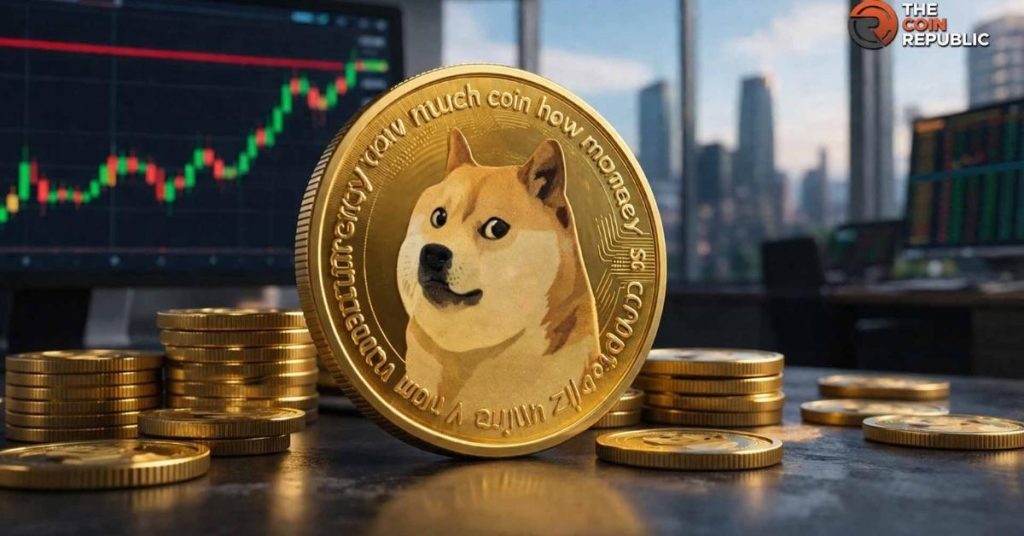
Dogecoin has transformed from a playful internet meme into one of the most recognized cryptocurrencies in the world. Created in 2013, this digital currency gained global attention through its Shiba Inu-inspired branding, strong online community, and growing role in the cryptocurrency market. Built on blockchain technology, Dogecoin offers fast transactions, low fees, and a unique approach compared with assets like Bitcoin and Ethereum. Its journey from a small community project to a widely discussed cryptocurrency highlights the impact of social media, investor interest, and digital innovation. Despite its popularity, Dogecoin remains a volatile asset influenced by market trends, adoption, and future blockchain developments.
Quick Facts About Dogecoin
| Category | Details |
| Name | Dogecoin |
| Symbol | DOGE |
| Launch Year | 2013 |
| Founders | Billy Markus and Jackson Palmer |
| Blockchain Type | Proof-of-work blockchain |
| Mining Technology | Scrypt technology |
| Inspired By | Doge meme featuring Shiba Inu |
| Original Purpose | A fun alternative cryptocurrency and online tipping currency |
| Founder Billy Markus | IBM software engineer who helped develop Dogecoin’s technology |
| Founder Jackson Palmer | Adobe software engineer who created the original concept |
| Initial Value | Less than one cent |
| 2017 Market Value | Around $2 billion |
| 2021 Peak Value | Around $0.69, with early May reaching about $0.74 |
| January 2026 Value | Around $0.125 |
| Maximum Supply | No fixed maximum supply |
| Main Uses | Payments, tipping, community transactions |
| Related Cryptocurrencies | Bitcoin, Litecoin, Ethereum, XRP, Solana |
On This Page
- Background of Dogecoin
- How Dogecoin Was Created
- Technology Behind Dogecoin
- Dogecoin’s Growth and Popularity
- Role of Community and Social Media
- Dogecoin as an Investment Asset
- Dogecoin ETF Developments
- Frequently Asked Questions
- Final Words
Background
Dogecoin was introduced in December 2013 during a period when cryptocurrency was becoming increasingly popular among technology enthusiasts and investors. At the time, Bitcoin had already established itself as the first major cryptocurrency after launching in 2009, but many people viewed the crypto industry as overly serious and complicated. Dogecoin was created as a lighter and more approachable alternative that combined blockchain technology with internet culture.
The cryptocurrency was inspired by the Doge meme, which featured a Shiba Inu dog with humorous captions written in broken English. This meme had become a major part of online culture, especially on platforms such as Reddit and other social media communities. Instead of positioning itself as a replacement for traditional financial systems, Dogecoin initially focused on fun, community interaction, and online tipping.
The creators behind Dogecoin were Billy Markus and Jackson Palmer. Billy Markus, an IBM software engineer, developed the technical foundation of the cryptocurrency, while Jackson Palmer, an Adobe software engineer, helped create the original idea and branding. Their goal was to build a cryptocurrency that felt more welcoming compared with the complex reputation surrounding Bitcoin and other digital assets.
Overview
Dogecoin is a decentralized digital currency that allows users to send and receive payments without relying on banks or traditional financial institutions. Like Bitcoin and other cryptocurrencies, Dogecoin operates through a blockchain, which is a digital ledger that records transactions across a distributed network of computers.
The blockchain technology behind Dogecoin allows transactions to be verified by miners. Mining involves using computer power to confirm transactions and maintain network security. In return, miners receive newly created DOGE as rewards. Because Dogecoin uses Scrypt technology instead of Bitcoin’s SHA-256 system, its mining process has different technical requirements.
One of Dogecoin’s biggest differences from Bitcoin is its supply model. Bitcoin has a fixed supply limit of 21 million coins, while Dogecoin does not have a maximum supply cap. This means new Dogecoin continues to enter circulation over time, making it more suitable for smaller everyday transactions rather than being viewed only as a scarce store of value.
Dogecoin gained significant attention because of its strong online community. Reddit communities played an important role in spreading awareness, organizing charitable campaigns, and promoting DOGE tipping. The community famously used Dogecoin for fundraising activities, including supporting sports teams and humanitarian projects.
Bibliography
Dogecoin’s history and development have been documented through cryptocurrency research, developer discussions, blockchain records, and market analysis published over several years. Important information about Dogecoin comes from sources related to its creators, technical development, community activity, and cryptocurrency market performance.
Key historical points include:
- Dogecoin was created in 2013 by Billy Markus and Jackson Palmer.
- The cryptocurrency was inspired by the Shiba Inu-based Doge meme.
- Its technology was influenced by Litecoin and Luckycoin.
- Dogecoin uses Scrypt technology rather than Bitcoin’s SHA-256 mining system.
- The Dogecoin community expanded through Reddit, tipping culture, and social media engagement.
- Dogecoin reached a market value of approximately $2 billion in 2017.
- The cryptocurrency achieved major mainstream attention during the 2021 cryptocurrency market surge.
- Developers have continued improving ecosystem resources, including developer libraries, payment tooling, and future planning through initiatives connected with the Dogecoin Foundation.
The ongoing development of Dogecoin shows how a cryptocurrency can evolve beyond its original purpose. What began as a humorous internet experiment became a globally recognized digital currency with millions of users, active developers, and a significant place within the cryptocurrency market. Its journey demonstrates the influence of community-driven technology, online culture, and changing attitudes toward digital finance.
More Like ThisRelated Articles
Related Articles (5)
Cryptocurrency readers often compare Dogecoin with other major digital assets to better understand its purpose, technology, and market position. While Dogecoin started differently from traditional cryptocurrencies, its growth has placed it alongside some of the most recognized names in the blockchain industry.
- Bitcoin
Bitcoin is the first cryptocurrency, launched in 2009 by the anonymous creator Satoshi Nakamoto. It introduced blockchain technology and decentralized digital money to the world. Unlike Dogecoin, Bitcoin has a limited supply of 21 million coins, making it widely viewed as a store of value and digital alternative to traditional assets. - Litecoin
Litecoin is one of the earliest cryptocurrencies and played an important role in Dogecoin’s development. Dogecoin’s technical structure was influenced by Litecoin, especially its use of Scrypt technology. Litecoin was designed to provide faster transactions compared with Bitcoin while maintaining a decentralized network. - Ethereum
Ethereum is a blockchain platform known for supporting smart contracts and decentralized applications. Unlike Dogecoin, which mainly focuses on payments and transactions, Ethereum provides a foundation for developers to build decentralized finance applications, NFTs, and blockchain-based services. - XRP
XRP is a digital asset designed to support fast and low-cost international payments. It differs from Dogecoin because its primary focus is improving financial settlement systems between institutions rather than community-driven transactions and online tipping. - Solana
Solana is a high-speed blockchain network designed for scalable applications and fast transactions. Compared with Dogecoin’s simpler payment-focused model, Solana supports advanced blockchain applications, including decentralized exchanges and Web3 projects.
Related Articles (5)
Understanding Dogecoin becomes easier when comparing it with related cryptocurrency topics, market trends, and blockchain concepts.
Bitcoin vs Dogecoin: Different Goals in Cryptocurrency
Bitcoin and Dogecoin share some similarities because both operate through blockchain technology and allow peer-to-peer transactions. However, their goals are very different.
Bitcoin was created as a decentralized financial system designed to reduce dependence on banks and governments. Its limited supply and strong security model have made it popular among institutional investors and long-term holders.
Dogecoin, on the other hand, was created as a more accessible and community-focused digital currency. Its unlimited supply model, faster block production, and lower individual coin value make it more suitable for smaller transactions and online payments.
Bitcoin uses SHA-256 mining technology, while Dogecoin uses Scrypt technology. This technical difference affects how miners participate in each network. Bitcoin mining requires specialized equipment, while Dogecoin mining has historically been more accessible.
Both cryptocurrencies have influenced the broader cryptocurrency market. Bitcoin remains the largest digital asset by market value, while Dogecoin represents the power of community adoption and internet culture.
Dogecoin Community and Social Media Influence
One of the biggest reasons behind Dogecoin’s success is its highly active community. Unlike many cryptocurrencies that rely mainly on technical development, Dogecoin grew through social media engagement, online discussions, and community campaigns.
Platforms such as Reddit helped Dogecoin gain popularity by allowing users to share information, organize events, and promote tipping systems. The idea of tipping with DOGE allowed users to reward content creators without using traditional payment methods.
The Dogecoin community also became known for charitable activities. Members supported fundraising campaigns and used cryptocurrency as a tool for donations. This helped create a positive reputation around Dogecoin during its early years.
The cryptocurrency received additional attention when public figures, especially Elon Musk, discussed it publicly. Musk’s comments increased awareness and attracted many retail investors who had previously ignored cryptocurrency markets.
Read More : What Does KOL Mean in Crypto? How Web3 Influencers Grow
However, social media-driven growth also contributed to volatility. Sudden increases in attention can create rapid price movements, causing Dogecoin’s value to rise or fall quickly depending on public sentiment.
Dogecoin Mining and Blockchain Technology
Dogecoin mining is the process used to verify transactions and maintain the security of its blockchain network. Like other proof-of-work cryptocurrencies, Dogecoin depends on miners who use computing power to solve mathematical problems.
When miners successfully verify transactions, they add new blocks to the blockchain and receive DOGE rewards. This process creates a secure digital ledger where transaction records cannot easily be changed.
Dogecoin’s use of Scrypt technology separates it from Bitcoin’s SHA-256 system. Scrypt was originally designed to make mining more memory-intensive and accessible compared with traditional Bitcoin mining.
Dogecoin was also influenced by earlier projects such as Luckycoin and Litecoin. These connections helped shape its technical structure while allowing it to maintain faster transaction processing compared with Bitcoin.
Important features of Dogecoin mining include:
- Faster block creation compared with Bitcoin
- Lower transaction costs
- Decentralized network participation
- Continuous coin production through mining rewards
- Community-supported blockchain security
Although mining remains an important part of Dogecoin’s ecosystem, many investors today focus more on its market value, adoption, and future development rather than mining alone.
Dogecoin Market Growth and Price History
Dogecoin’s price history shows how quickly cryptocurrency markets can change. When it launched in 2013, DOGE had a value of less than one cent. For several years, it remained a small cryptocurrency mainly used by online communities.
In 2017, Dogecoin gained increased attention after reaching a total market value of approximately $2 billion during a broader cryptocurrency boom. This marked an important moment because it showed that a meme-based cryptocurrency could achieve significant market recognition.
The biggest growth period came in 2021. On January 1, 2021, Dogecoin was still valued at less than one cent. During the following months, increased social media attention and cryptocurrency market excitement caused its price to rise dramatically.
In April 2021, Dogecoin experienced a major spike of around 400% within one week. By May 2021, it reached an all-time high near $0.69, with an early May peak approaching $0.74.
Several factors influenced this movement:
- Increased retail investor participation
- Social media campaigns
- Cryptocurrency market growth
- Public discussions from Elon Musk
- Growing interest in alternative digital currencies
Despite reaching historic levels, Dogecoin later experienced price declines as cryptocurrency markets cooled. Like many digital assets, its value remains influenced by market sentiment, regulations, economic conditions, and investor demand.
Dogecoin as a Digital Payment Currency
Dogecoin was originally designed as a practical cryptocurrency for everyday transactions. Its lower price per coin and fast transaction confirmation times made it attractive for small payments and online tipping.
Many supporters believe Dogecoin’s strongest use case is not replacing Bitcoin as a store of value but becoming an easy-to-use digital currency for daily transactions.
Compared with traditional banking systems, Dogecoin allows users to send payments globally without depending on banks or payment processors. Transactions can be completed through cryptocurrency wallets at any time.
Common uses of Dogecoin include:
- Online tipping
- Community rewards
- Small digital payments
- Cryptocurrency donations
- Peer-to-peer transfers
However, wider adoption depends on factors such as merchant acceptance, regulatory clarity, and improved payment infrastructure. The development of payment tooling and developer libraries continues to support the growth of the Dogecoin ecosystem.
While Dogecoin has not reached the level of mainstream payment adoption initially imagined by supporters, its community and recognition have helped maintain its position among the most well-known cryptocurrencies worldwide.
Background
Dogecoin’s journey from a humorous internet project to a globally recognized cryptocurrency shows how digital communities can influence financial technology. When Billy Markus and Jackson Palmer created Dogecoin in 2013, the goal was not to compete directly with Bitcoin or become a serious financial asset. Instead, they wanted to create a cryptocurrency that was simple, friendly, and accessible to everyday users.
At the time, the cryptocurrency industry was largely dominated by Bitcoin, which had gained attention as a decentralized alternative to traditional currencies. However, Bitcoin’s technical language and investment-focused reputation made it difficult for many newcomers to understand. Dogecoin introduced a different approach by combining blockchain technology with internet culture.
The use of the Shiba Inu dog from the popular Doge meme gave Dogecoin a unique identity. This branding helped it stand apart from other cryptocurrencies that often focused only on technical innovation. The friendly image attracted people who may not have previously been interested in digital currencies.
The early Dogecoin community became known for online tipping and charitable activities. Users on platforms like Reddit used DOGE to reward helpful posts, support creators, and organize fundraising campaigns. This community-driven approach helped Dogecoin develop a loyal user base before it became a major cryptocurrency market asset.
How Dogecoin Technology Works
Dogecoin operates through blockchain technology, a decentralized system that records cryptocurrency transactions across thousands of computers worldwide. Instead of relying on a central authority such as a bank, Dogecoin uses a network of participants to verify and store transaction information.
The Dogecoin blockchain works through a process called mining. Miners use computer hardware to solve mathematical calculations that confirm transactions. Once verified, transactions are grouped into blocks and permanently added to the digital ledger.
The main technical components behind Dogecoin include:
- Blockchain Network: A decentralized digital record that stores every Dogecoin transaction.
- Mining System: A process where miners validate transactions and secure the network.
- Scrypt Technology: The mining algorithm used by Dogecoin instead of Bitcoin’s SHA-256 system.
- Cryptography: Security methods that protect transaction data and prevent unauthorized changes.
Dogecoin’s Scrypt-based mining system was influenced by Litecoin. When Dogecoin launched, Scrypt technology allowed miners to participate without requiring the same level of specialized equipment commonly associated with Bitcoin mining.
Another important aspect of Dogecoin is its transaction speed. The network creates blocks faster than Bitcoin, allowing transactions to be confirmed more quickly. This feature supports Dogecoin’s original purpose as a payment-focused cryptocurrency.
Developers have continued working on improvements through resources such as developer libraries and payment tooling. These tools help businesses and programmers integrate Dogecoin into applications, wallets, and payment systems.
Although Dogecoin does not provide the advanced smart contract capabilities of Ethereum, it remains focused on reliability, simplicity, and transaction efficiency. Its straightforward design is one reason why it has maintained popularity among cryptocurrency users.
Role of Elon Musk and Mainstream Attention
Dogecoin received significant mainstream attention when Elon Musk began publicly discussing the cryptocurrency. Musk, the entrepreneur behind companies including Tesla and SpaceX, frequently shared opinions about Dogecoin on social media, especially through posts on platforms such as X, formerly known as Twitter.
His comments introduced Dogecoin to millions of people who had little previous knowledge of cryptocurrency. Many retail investors became interested in DOGE after seeing discussions about it online, contributing to increased trading activity.
During the 2021 cryptocurrency boom, Dogecoin became one of the most discussed digital assets. The combination of social media popularity, celebrity attention, and increased retail participation pushed DOGE into mainstream conversations.
The rise of Dogecoin also happened during a period when online communities were challenging traditional financial markets. Similar to the GameStop Inc. stock event, where retail investors gathered through online platforms, cryptocurrency communities demonstrated the influence of collective online action.
Dogecoin Foundation and Future Development
The Dogecoin Foundation plays an important role in supporting the continued development of the Dogecoin ecosystem. The organization focuses on improving the cryptocurrency’s technology, encouraging adoption, and supporting community-based initiatives.
Read More : How to Get Profitable in Bitcoin: A Complete Guide for Beginners and Investors
Unlike traditional companies that control financial products, the Dogecoin ecosystem remains decentralized. Developers, contributors, and community members work together to improve network functionality.
The Dogecoin Foundation has supported projects related to:
- Blockchain development
- Payment solutions
- Developer resources
- Community education
- Long-term ecosystem planning
One important initiative associated with Dogecoin development is the Trailmap, which outlines possible future improvements and goals for the network. These plans focus on making Dogecoin more useful for everyday transactions and improving its technical infrastructure.
Future development areas include:
- Better payment integration
- Improved user experience
- Expanded developer support
- More efficient transaction tools
- Greater merchant adoption
The continued growth of Dogecoin depends on practical usage rather than only market speculation. For the cryptocurrency to remain relevant, developers and businesses need to create more real-world applications.
While Dogecoin does not compete directly with platforms like Ethereum that support complex decentralized applications, it maintains a clear identity as a simple, community-driven digital currency.
The combination of an active community, recognizable brand, and ongoing development efforts has allowed Dogecoin to remain one of the most discussed cryptocurrencies even years after its creation. Its future will likely depend on whether it can transform popularity into long-term utility.
Frequently Asked Questions (FAQs)
What is Dogecoin?
Dogecoin is a decentralized cryptocurrency created in 2013 by Billy Markus and Jackson Palmer. It was originally developed as a fun alternative to Bitcoin and was inspired by the popular Doge meme featuring a Shiba Inu dog. Over time, Dogecoin developed a large global community and became one of the most recognized digital currencies in the cryptocurrency market.
Unlike Bitcoin, which focuses heavily on scarcity and long-term value storage, Dogecoin was designed for faster transactions, online tipping, and everyday digital payments. It operates on blockchain technology and uses Scrypt technology for mining.
Who created Dogecoin?
Dogecoin was created by Billy Markus and Jackson Palmer in 2013. Jackson Palmer, an Adobe software engineer, originally introduced the idea of creating a cryptocurrency based on the Doge meme. Billy Markus, an IBM software engineer, developed the technical side of the project.
Together, they created Dogecoin by modifying existing cryptocurrency technology from projects such as Litecoin and Luckycoin. Their goal was to create a more approachable and community-focused digital currency.
Is Dogecoin based on Bitcoin?
Dogecoin shares some similarities with Bitcoin because both use blockchain technology and proof-of-work mining. However, Dogecoin is not directly based on Bitcoin’s technology.
Bitcoin uses SHA-256 mining technology, while Dogecoin uses Scrypt technology. Dogecoin was more closely influenced by Litecoin, which also uses Scrypt. Additionally, Bitcoin has a fixed supply limit of 21 million coins, whereas Dogecoin has no maximum supply cap.
Why is Dogecoin called a meme cryptocurrency?
Dogecoin is often called a meme cryptocurrency because it was inspired by the Doge meme featuring a Shiba Inu dog. The cryptocurrency was created with a humorous and community-focused approach rather than as a serious financial project.
However, Dogecoin’s popularity grew beyond its meme origins. Its active community, social media presence, and widespread recognition helped it become a legitimate cryptocurrency with significant market value.
How does Dogecoin mining work?
Dogecoin mining involves using computer power to verify transactions and secure the blockchain network. Miners solve complex mathematical problems, and successful miners receive DOGE rewards.
The network uses Scrypt technology, which differs from Bitcoin’s SHA-256 mining system. Dogecoin mining helps maintain the security of its digital ledger while allowing new coins to enter circulation.
What was Dogecoin’s highest price?
Dogecoin reached its highest historical price of around $0.69 in May 2021. During early May 2021, it briefly approached approximately $0.74 before experiencing market corrections.
This major increase was influenced by several factors, including cryptocurrency market growth, social media attention, retail investor activity, and public discussions from Elon Musk.
Can Dogecoin reach a higher value in the future?
Dogecoin’s future price depends on many factors, including cryptocurrency adoption, market demand, technological development, regulation, and investor confidence.
Supporters believe Dogecoin’s strong community, brand recognition, and potential payment usage could support future growth. However, cryptocurrency prices are highly volatile, and past performance does not guarantee future results.
Does Dogecoin have unlimited supply?
Yes, Dogecoin does not have a fixed maximum supply. New DOGE coins continue to enter circulation through mining rewards.
This supply model makes Dogecoin different from Bitcoin, which has a limited supply. Some supporters believe continuous supply makes Dogecoin better suited for everyday transactions, while some investors view unlimited supply as a challenge for long-term scarcity.
Is Dogecoin a good investment?
Dogecoin can be considered a high-risk cryptocurrency investment because its price is influenced by market sentiment, social media trends, and broader cryptocurrency conditions.
While Dogecoin has achieved significant growth and gained worldwide recognition, investors should understand the risks associated with cryptocurrency volatility before making financial decisions.
Will Dogecoin get an ETF?
A Dogecoin ETF remains a major topic of discussion among cryptocurrency investors. A spot Dogecoin ETF would allow investors to gain exposure to DOGE through traditional brokerage accounts instead of directly holding the cryptocurrency.
Financial companies and investors have shown interest in cryptocurrency-based investment products, but approval depends on regulatory decisions, market conditions, and investor protection requirements.
Final Words
Dogecoin started as a meme-inspired cryptocurrency in 2013 but grew into one of the most recognized digital currencies worldwide. Created by Billy Markus and Jackson Palmer, it uses blockchain technology and Scrypt mining to support fast, low-cost transactions. Its strong community, Reddit activity, social media influence, and support from figures like Elon Musk helped drive its popularity. From reaching a $2 billion market value in 2017 to its 2021 price surge, Dogecoin became a major example of how internet culture can impact financial markets.
Today, Dogecoin remains a widely discussed cryptocurrency with potential payment use cases, ongoing development, and growing institutional interest. However, its volatility, unlimited supply, and market dependence create risks for investors. Its future depends on adoption, technology improvements, and its ability to maintain relevance in the evolving cryptocurrency industry.

