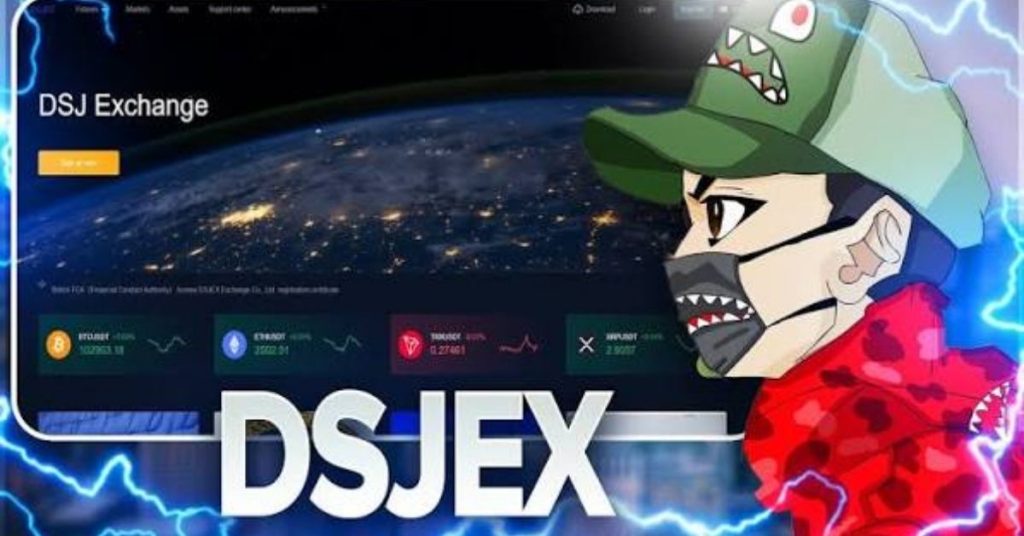
The DSJ Exchange login process might appear straightforward at first glance—an invitation link, basic registration details, and a dashboard showing promising returns. However, behind this simple facade lies one of the largest cryptocurrency Ponzi schemes in recent history, with regulators worldwide warning investors to stay away.
Understanding the DSJ Exchange Login Process
The journey begins with an invitation link shared through WhatsApp, Telegram, or other messaging groups. New users are directed to a sign-up page where they enter basic information like a mobile number or email address and create a password. A referral code is often required, reinforcing the multi-level marketing structure at the scheme’s core.
What makes the DSJ Exchange login experience unusual from the start is the 60-second registration timer. If you take longer than a minute to complete the process, it resets entirely. This rushed approach is not poor design but intentional pressure designed to stop you from thinking critically about what you’re doing.
After registration, the real complexity begins. To actually trade, users must:
-
Fund their account with a minimum of ₹42,000 (approximately $500)
-
Download BonChat, an encrypted messaging app
-
Add “Elena03” and “Professor Stephen03” as friends
-
Send proof of deposit
-
Wait for group access to receive daily “trade codes”
If any step fails, the login becomes effectively useless. Many users report depositing money, successfully logging in, but being unable to trade because they never received BonChat group access.
The Rotating Domain Problem
Perhaps the most telling red flag in the DSJ Exchange login experience is the constant domain rotation. The platform regularly changes its website addresses, making it difficult for users to find the same login page twice.
Common DSJ Exchange login domains included variations like dsjex.net, dsj89.com, dsjex123.com, and many others. This tactic serves two purposes: it evades law enforcement detection and creates confusion for users trying to access their funds. If you bookmark a login page today, there’s a good chance it won’t work tomorrow.
What Happens After Login?
Once inside, users see a dashboard displaying account balances and daily profits of 1.3% to 2.6%—returns that are mathematically impossible for any legitimate investment. The platform claims to use AI-generated trading signals that produce “near-perfect” trades and promises to double investors’ money within 60 days.
Here’s the reality: no legitimate trading occurred on DSJ Exchange platforms. The account balances showing high returns were fake, designed to build confidence and encourage more deposits. Users were essentially entering “trade codes” received through messaging apps, clicking buttons on a fake interface, and watching fabricated numbers increase.
The Collapse: What Regulators Discovered
By early May 2026, the scheme collapsed. On-chain detective ZachXBT revealed that DSJ Exchange and its associated BG Wealth Sharing operation had stolen over $150 million from unsuspecting victims.
The operation functioned under the leadership of a fictional character named “Professor Stephen Beard”—a self-proclaimed expert who was entirely fabricated. The scheme operated since 2025, using referral commissions and rank-based bonuses to incentivize recruitment through a classic Ponzi model.
When the collapse came, victims faced an insurmountable barrier: they were told they could only withdraw funds after paying a 12% “tax” on their account balances. Withdrawals had already been disabled by this point, and those who paid the “tax” received nothing.
Global Regulatory Warnings
At least thirteen regulators across five continents issued public fraud warnings about DSJ Exchange, including:
-
UK Financial Conduct Authority (FCA): Warned that DSJ Exchange operates without authorization and that login credentials provide access to an illegal platform
-
New Zealand Financial Markets Authority (FMA): Blacklisted dsjoo.com for market manipulation and fraud
-
Alberta Securities Commission (ASC): Issued investor alerts and cease-and-desist letters, stating there is no evidence legitimate trading ever occurred
-
Financial and Consumer Affairs Authority of Saskatchewan (FCAA): Issued a warning that DSJ Exchange is not registered to trade securities in the province
-
Patna Cyber Police, India: Arrested five individuals running the scheme through DSJ Exchange, with 500-600 victims identified in that region alone
Fraud Recovery and Ongoing Risks
Following law enforcement intervention, scammers attempted to launder **over $92 million** through cryptocurrency bridges, token swaps, and hundreds of different wallets. In a significant victory for investigators, Tether froze $38.4 million, and exchanges blocked another $3.1 million, totaling over $41.5 million recovered.
However, victims face continued danger from recovery scams. Fraudsters often target previous scam victims, offering to recover lost funds for a fee—taking more money without delivering anything.
Protecting Yourself
If you encounter the DSJ Exchange login process or any similar platform, watch for these warning signs:
-
Pressure tactics like time-limited registration
-
Changing domains that make access inconsistent
-
Required messaging app groups for trading instructions
-
Promises of unrealistic returns (1-3% daily is impossible)
-
No password recovery or working customer support
-
Apps not available through official app stores
The DSJ Exchange login system was deliberately designed to create problems when users tried to withdraw funds. What appeared as technical issues, changing passwords, and frozen accounts were actually components of a sophisticated fraud.
If you have invested through DSJ Exchange, do not send any additional money—especially not for “taxes,” “activation fees,” or “recovery services.” Report your experience to local law enforcement and your jurisdiction’s securities regulator.
The DSJ Exchange login was never a door to legitimate trading—it was a trap. And now that the trap has sprung, the only safe path forward is to recognize the fraud, cut all contact, and help authorities pursue those responsible.