Understanding the upcoming FOMC meeting is essential for anyone trying to navigate the current financial landscape. When the Federal Reserve gathers to discuss monetary policy, investors everywhere watch closely to see how interest rate decisions might shift the economic outlook. These updates often trigger significant market volatility, making it vital to stay informed on how these policy changes could impact your investment strategy moving forward.
Are you ready for the major shifts coming to your portfolio? Every single decision made during the next central bank session can ripple through the entire global economy. By tracking these economic indicators and inflation data, you can prepare for potential market fluctuations. Staying ahead of these fiscal announcements is the smartest way to protect your hard-earned financial assets today.
What Is an FOMC Meeting
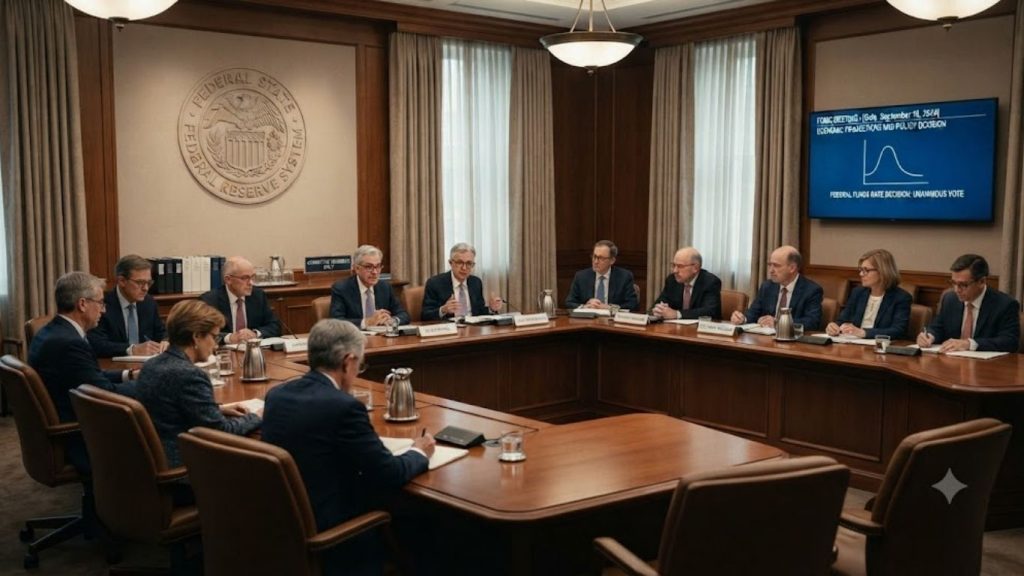
The Federal Open Market Committee holds scheduled sessions to evaluate the national economy. During these gatherings, policymakers review current economic data and inflation trends to decide the stance for monetary policy. These meetings are essential for setting the federal funds rate, which influences borrowing costs for businesses and everyday consumers throughout the country.
These sessions occur eight times per year, typically spanning two days. Participants analyze detailed financial models and employment reports to ensure price stability. By discussing these metrics, the committee members can effectively coordinate their efforts to maintain a balanced money supply and support the broader goals of sustainable, long-term economic growth and development.
At the conclusion of each event, the committee releases an official statement regarding its policy decisions. A press conference follows, where the Federal Reserve Chair explains the rationale behind their actions. This transparency helps the public understand how policy adjustments aim to manage risks and keep the financial system secure for all citizens across the nation.
What Does FOMC Stand For
The term stands for the Federal Open Market Committee. As a core branch of the Federal Reserve, this group acts as the primary body for setting the nation’s monetary policy. They focus on managing the money supply and ensuring that the country’s financial infrastructure remains both safe and highly flexible for everyone.
By carefully adjusting short-term interest rates, the committee aims to balance price stability with steady economic growth. This structure ensures the banking system operates smoothly. Through their oversight, they work to prevent excessive inflationary pressure while simultaneously promoting a stable environment where businesses can invest, grow, and contribute to the overall strength of the economy.
The committee is established under the Federal Reserve System to oversee open market operations. These operations involve buying or selling government securities to influence the level of bank reserves. By controlling these key levers, the group maintains a consistent approach to managing national liquidity, which is vital for keeping the economy on a predictable and healthy path.
Why the FOMC Meeting Matters
These sessions are critical because the resulting decisions directly impact global financial markets. When officials change the benchmark rate, it alters mortgage costs, credit card interest, and investment returns. Investors closely monitor the policy outlook released after each meeting, as these updates provide clues about the future trajectory of the country’s economic landscape and strength.
Because the U.S. dollar serves as a global reserve currency, changes in policy can cause fluctuations in international exchange rates. Commodity prices, including gold and oil, often move based on these announcements. Consequently, analysts and institutional investors adjust their asset allocation to manage risk, ensuring they remain prepared for potential shifts in the broader market.
Ultimately, the committee’s work ensures that the U.S. economy stays on a stable course by mitigating financial volatility. Whether they decide to raise, lower, or maintain rates, the impact reaches every corner of the financial sector. By studying these developments, individuals can better align their own investment strategies with the prevailing environment of the current year.
Key Factors in FOMC Policy
| Factor | Description |
| Federal Funds Rate | The target interest rate for overnight lending. |
| Price Stability | Keeping inflation within a target range. |
| Employment Data | Monitoring job creation and unemployment levels. |
Understanding Committee Impacts
- The committee meets eight times annually to discuss and set essential national monetary policy adjustments effectively.
- Changes in rates significantly alter the cost of borrowing for both small businesses and large corporations.
- Investors analyze the released minutes to gain deeper insights into the future direction of interest rates.
- Proper monitoring of these meetings helps you better manage your personal investment portfolio and financial goals.
- Global markets often react quickly to the official announcements made by the committee after each session.
- Maintaining stable economic conditions remains the primary goal for every member serving on the decision committee.
How the FOMC Meeting Works
The committee follows a structured process to evaluate the national economy. Members review current economic data, including inflation reports and employment statistics, to determine the right path for monetary policy. These sessions are vital, as they allow officials to coordinate their efforts to ensure a stable financial system for everyone.
Scheduled eight times annually, these meetings typically span two days of intensive discussion. Participants examine financial models and market projections to reach a consensus on the federal funds rate. This collaborative effort helps the committee maintain a balanced money supply, ultimately supporting the broader goals of long-term economic growth and national stability.
After each session concludes, the committee releases an official statement regarding its final decisions. A press conference follows, where the Federal Reserve Chair provides clarity on their actions. This transparent communication strategy helps the public understand how policy adjustments are designed to manage risks and keep the financial environment secure for all citizens.
Key Topics Discussed During an FOMC Meeting
During every session, members conduct a deep dive into the nation’s economic health. They carefully analyze inflation data, including the Personal Consumption Expenditures (PCE) index, to check if it aligns with their two percent target. By monitoring these metrics, officials ensure that price stability is maintained across the entire country.
They also assess labor market conditions and unemployment trends to promote maximum employment. Additionally, the committee discusses global geopolitical risks and their potential impact on domestic financial markets. These comprehensive reviews allow members to make informed decisions that influence borrowing costs and help steer the economy toward sustainable, long-term success.
Finally, the group reviews open market operations and the current state of bank reserves. They discuss how to effectively manage liquidity to ensure the banking system remains functional. These technical discussions are necessary for implementing monetary tools that keep the economy on a predictable and healthy path for businesses and individual consumers.
Important Economic Considerations
| Indicator | Purpose |
| Headline PCE | Primary measure used for the two percent inflation target. |
| Labor Participation | Gauging the available workforce size and job market health. |
| Global Tensions | Assessing how conflicts influence oil prices and supply chains. |
Focus Areas for Policymakers
- Policymakers evaluate the current inflation levels to decide if adjustments to the interest rate are necessary.
- Discussions frequently involve the unemployment rate and how it impacts the overall strength of the economy.
- The committee analyzes consumer spending habits to predict future demand and potential growth in various sectors.
- Global supply chain disruptions are monitored closely to understand their ongoing effects on domestic price levels.
- Members review business investment data to gauge corporate confidence and potential for future economic expansion goals.
- Maintaining a stable money supply remains a constant priority to ensure smooth operations within financial markets.
Latest FOMC Meeting Updates
The June 2026 session resulted in the committee opting to hold the federal funds rate steady. While some participants noted the case for potential hikes, the consensus leaned toward patience. This approach highlights a clear preference for flexibility rather than making rigid, long-term commitments in an era of economic uncertainty.
Recent minutes reveal that the committee is moving away from providing strict forward guidance. Instead, officials are opting for scenario-based discussions to better handle financial volatility. This change in communication style, championed by new leadership, ensures that policy remains adaptable to sudden shifts in energy prices or unexpected global developments.
Investors are now looking toward upcoming sessions to see if the inflation trend begins to moderate. By carefully watching these updates, analysts can better estimate future policy trajectories. This cautious stance reflects the current committee’s commitment to avoiding premature changes, ensuring that every move is data-driven and responsive to the evolving market environment.
FOMC Interest Rate Decision Explained
The committee sets the target range for the federal funds rate to influence the broader cost of borrowing. By adjusting this rate, the Federal Reserve directly impacts interest rates on mortgage loans, credit cards, and savings accounts. These changes serve as the primary tool for balancing demand and supply across the nation.
When the committee raises rates, they aim to cool an overheating economy and curb inflationary pressures. Conversely, lowering rates is intended to stimulate economic activity by making credit cheaper for businesses and households. This delicate balancing act is the core mechanism the Federal Reserve uses to achieve its dual mandate objectives.
Effective implementation relies on the use of administered rates, such as interest on reserve balances. These tools help keep the federal funds rate within the target range established by the committee. By manipulating these levers, the Fed ensures that market rates remain consistent with their current goals for economic stability and healthy growth.
Frequently Asked Questions
1. How often does the FOMC meeting occur each year?
The FOMC meeting is held eight times every year to review economic data and determine the appropriate path for national monetary policy and interest rates.
2. Why is the FOMC meeting considered so important for investors?
Decisions made during an FOMC meeting directly impact global financial markets, mortgage costs, and investment returns, making them essential for effective financial portfolio management today.
3. What happens immediately after an FOMC meeting concludes?
Following an FOMC meeting, the committee releases an official policy statement, and the Federal Reserve Chair holds a press conference to explain their economic outlook.
4. Can the public attend a scheduled FOMC meeting?
No, the FOMC meeting is a closed session for committee members and Reserve Bank presidents, though official statements and meeting minutes are published later.
5. How do interest rate changes from an FOMC meeting affect me?
Changes approved at an FOMC meeting influence the cost of borrowing for credit cards and loans, directly impacting your personal finances and overall consumer spending.