
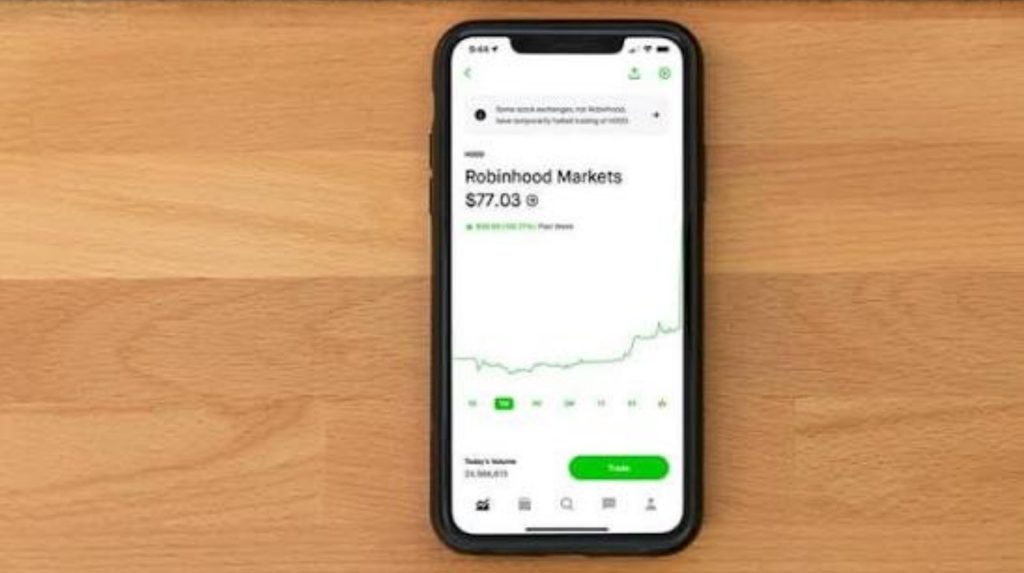
Understanding how to cash out on Robinhood is essential for anyone actively trading stocks, ETFs, or crypto on the platform. Whether you are locking in profits or simply moving funds back to your bank account, the withdrawal process can feel confusing if you are new to investing. This guide breaks everything down in a clear, practical way so you can cash out safely and efficiently without delays or mistakes.
Inside, you will learn the exact step-by-step withdrawal process, how settlement periods affect your funds, common restrictions that may delay transfers, and the tax implications you should expect. Additionally, we will cover troubleshooting tips, fees, and smart strategies to help you time your withdrawals better. By the end, you will fully understand how Robinhood withdrawals work and how to avoid common errors that investors often make.
How to Cash Out on Robinhood: Step-by-Step Process
Cashing out funds from your account at Robinhood involves transferring your available buying power to a linked bank account. The process is straightforward, but timing matters because not all funds are immediately withdrawable due to settlement rules in U.S. securities markets.
To begin, open the Robinhood mobile app and tap the account icon. From there, navigate to “Transfers” and select “Transfer to Your Bank.” You will be prompted to enter the amount you want to withdraw. Once confirmed, the system checks whether your funds are available. If your cash comes from recently sold stocks, it may still be in the settlement phase, meaning it cannot yet be transferred.
After confirmation, Robinhood processes the withdrawal request and sends the money to your linked bank account. Typically, users see funds within 1–3 business days, depending on their bank’s processing speed. However, larger withdrawals or first-time transfers may take slightly longer due to additional verification checks.
It is also important to note that only settled cash can be withdrawn. If you attempt to cash out on Robinhood before settlement completes, the app will restrict the transfer or reduce the available amount automatically. Understanding this step prevents unnecessary confusion and failed transactions.
Settlement Times, Withdrawals, and Bank Transfers Explained
The cash-out process is heavily influenced by settlement cycles in U.S. financial markets. When you sell stocks or ETFs on Robinhood, the trade does not settle instantly. Instead, it follows the standard T+1 settlement cycle, meaning funds become officially available one business day after the trade executes. This rule applies across most U.S. brokerage platforms, not just Robinhood.
Once settlement is complete, your money becomes part of your “withdrawable cash.” At that point, you can initiate a bank transfer. Transfers typically use the Automated Clearing House (ACH) system, which is widely used for electronic money movement in the United States. ACH transfers are secure but not instant, which explains the 1–3 business day waiting period.
In some cases, instant transfer options may be available, but they depend on your bank’s compatibility and Robinhood’s eligibility criteria. Additionally, weekends and federal holidays can delay processing. For example, a withdrawal initiated on Friday evening may not begin processing until the following Monday.
Understanding these timelines is critical for investors managing liquidity. If you are planning a large withdrawal, timing your trades and cash-outs strategically can help avoid delays and ensure smoother fund access.
Fees, Limits, and Tax Implications of Cashing Out
One of the reasons many investors prefer platforms like Robinhood is the absence of traditional trading commissions. However, while there are no direct fees for standard withdrawals, indirect costs may still apply depending on your banking method or transaction type.
For example, instant transfers may carry a small fee depending on your bank or account type. Standard ACH transfers remain free, but they are slower. Additionally, large withdrawals may trigger security reviews, especially if they deviate from your normal activity pattern.
Another important factor when learning how to cash out on Robinhood is taxation. Selling stocks, ETFs, or crypto can trigger capital gains taxes in the United States. Short-term gains (assets held under one year) are typically taxed at higher ordinary income rates, while long-term gains benefit from reduced tax brackets. According to IRS guidelines, every taxable sale must be reported, even if the funds are immediately withdrawn or reinvested.
Investors should also consider overall income and earnings impact. A profitable trading year may increase your taxable income significantly, affecting your refund or liability. Because of this, many users consult tax professionals or use automated tax tools integrated with brokerage platforms to stay compliant.
Common Issues When Withdrawing Money from Robinhood
Even though the withdrawal process is designed to be simple, users sometimes encounter delays or restrictions when trying to cash out on Robinhood. One of the most common issues is unsettled funds. If you recently sold a stock, the proceeds may still be locked in the settlement process and unavailable for transfer.
Another frequent issue involves bank linking errors. If your bank account is not properly verified or has been recently changed, Robinhood may temporarily restrict withdrawals for security reasons. In such cases, re-verifying your banking details often resolves the issue.
There are also cases where account restrictions apply due to compliance checks or unusual activity. These safeguards are part of standard financial security protocols used across brokerage platforms to prevent fraud and unauthorized transfers.
Finally, insufficient buying power is a simple but common reason for failed withdrawals. Users sometimes attempt to withdraw funds that are still allocated to open positions or pending orders. Checking your available cash balance before initiating a transfer helps avoid these mistakes and ensures smoother transactions.
Tips to Maximize Profits Before You Cash Out
Timing plays a major role in maximizing returns before cashing out investments. Instead of withdrawing immediately after a small gain, many investors track market trends and broader economic signals to identify stronger exit points. For example, monitoring earnings reports, Federal Reserve announcements, and sector performance can help you decide when to sell.
Another useful strategy is dollar-cost averaging in reverse—gradually selling portions of your holdings instead of liquidating everything at once. This approach reduces the risk of exiting during short-term market dips and helps stabilize overall returns.
It is also important to consider portfolio diversification before cashing out. If a large portion of your gains comes from a single stock, you may want to rebalance your holdings to reduce risk exposure. Many experienced traders follow a disciplined exit plan rather than making emotional decisions based on short-term price movements.
Additionally, keeping track of net worth changes and overall earnings helps you make informed financial decisions. Investors who regularly review performance metrics tend to make more strategic withdrawal choices compared to those who cash out impulsively.
FAQs
1. How long does it take to cash out on Robinhood?
Most withdrawals take 1–3 business days after settlement. However, bank processing times and weekends can extend this slightly.
2. Why is my money not available to withdraw on Robinhood?
This usually happens due to unsettled trades or pending transactions. Funds must complete the settlement cycle before they become withdrawable.
3. Can I withdraw instantly from Robinhood to my bank?
Instant withdrawals are available for some users but depend on eligibility and bank support. Standard transfers are slower but free.
4. Do I pay taxes when I cash out on Robinhood?
You may owe capital gains taxes when you sell assets at a profit. Tax obligations depend on holding period and income level.
5. What is the minimum amount required to cash out on Robinhood?
There is no strict minimum withdrawal amount, but you must have sufficient withdrawable cash after settlements and fees.
Conclusion
Knowing how to cash out on Robinhood is essential for managing your investments effectively and avoiding unnecessary delays. The process is simple, but factors like settlement times, bank transfers, and tax obligations play a major role in how quickly you access your funds. By understanding these mechanics, you can plan withdrawals more strategically and reduce friction in your financial workflow.
Whether you are a beginner investor or actively managing a portfolio, mastering the cash-out process ensures better control over your earnings, liquidity, and long-term financial planning.

