
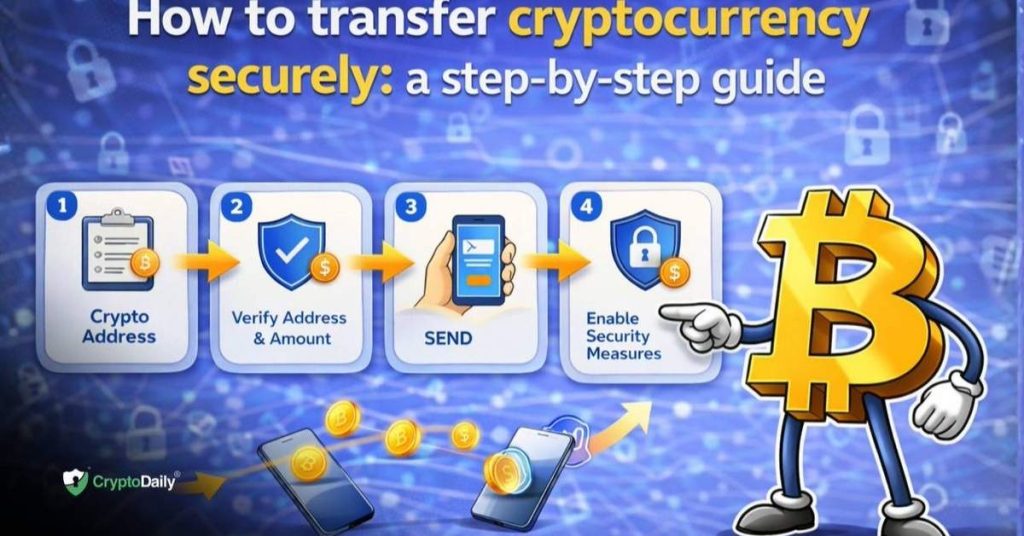
Cryptocurrency transfers have become an essential part of managing digital assets, allowing users to move funds between personal wallets, exchanges, and payment platforms. Understanding how to transfer crypto between wallets helps users avoid common mistakes, reduce unnecessary fees, and protect their funds from irreversible transaction errors. Every successful transfer depends on choosing the correct blockchain network, verifying wallet addresses, and understanding confirmation times. Whether transferring Bitcoin, Ethereum, USDT, or other cryptocurrencies, following secure practices ensures smoother transactions. This guide explains the complete transfer process, including wallet-to-wallet transfers, exchange withdrawals, crypto cash-outs, and important security measures for safer digital asset management.
Quick Facts Table
| Fact | Details |
| Topic | How to Transfer Crypto Between Wallets |
| Primary Purpose | Move cryptocurrency securely between wallets, exchanges, or convert it into fiat currency. |
| Supported Assets | BTC, ETH, USDT, USDC, XRP, TRX, BCH, LTC, DOGE, DASH, ETC, and other supported cryptocurrencies. |
| Common Wallet Types | Custodial wallets and non-custodial wallets. |
| Popular Wallets | Trust Wallet, MetaMask, Trustee Wallet, EMCD Crypto Wallet. |
| Transfer Requirements | Recipient wallet address, compatible blockchain network, sufficient balance for network fees. |
| Supported Networks | ERC-20, TRC20, BEP20, and other blockchain-specific networks. |
| Key Verification Step | Double-check the wallet address and network before confirming any transaction. |
| Destination Tag/Memo | Required for certain cryptocurrencies like XRP and some exchange deposits. |
| Transaction Confirmation | Funds become available after the blockchain reaches the required confirmation count. |
| Average Transfer Time | Usually a few minutes but may take longer during blockchain congestion. |
| Main Costs | Network fees, withdrawal fees, and service fees charged by exchanges or providers. |
| Factors Affecting Fees | Blockchain traffic, network demand, cryptocurrency type, and exchange pricing. |
| How to Track Transfers | Use the transaction hash (TXID) on a blockchain explorer. |
| Popular Blockchain Explorers | Etherscan, Blockchain.com. |
| Fiat Withdrawal Options | Bank account, debit/credit card, e-wallet, and supported payment services. |
| Alternative Cash-Out Methods | P2P platforms, crypto ATMs, online exchangers, offline exchangers, Telegram-based services. |
| Identity Verification | Many regulated platforms require KYC and AML checks before withdrawals. |
| Common Security Features | Two-factor authentication (2FA), SSL encryption, encrypted backups, and recovery seed phrases. |
| Major Risks | Incorrect wallet address, unsupported network, phishing attacks, malware, and irreversible transactions. |
| Risk Reduction Tips | Send a small test transaction, verify wallet compatibility, secure private keys, and avoid suspicious websites. |
| Stablecoins for Transfers | USDT and USDC are commonly used to reduce price volatility during transfers. |
| DeFi Consideration | Review smart contract permissions carefully before approving transactions. |
| Best Practice | Compare fees, confirmation times, and supported networks before transferring funds. |
| Transaction Nature | Cryptocurrency transfers are generally irreversible once confirmed on the blockchain. |
| Who Benefits Most | Crypto investors, traders, businesses, freelancers, and anyone managing digital assets across multiple wallets or exchanges. |
Transferring Cryptocurrency to Another Wallet
Moving cryptocurrency from one wallet to another is one of the most common blockchain transactions. Whether you’re transferring Bitcoin (BTC), Ethereum (ETH), USDT, or another digital asset, the overall process is similar across most wallets, including Trust Wallet, Metamask, Trustee Wallet, and other non-custodial wallet applications.
Read More : Biitland.com Crypto: Smart & Safe Trading Guide
Before starting, confirm that both wallets support the same cryptocurrency and blockchain network. For example, USDT can exist on ERC-20, TRC20, or BEP20 networks. Sending tokens over the wrong network may result in a permanent loss of funds.
Most wallets follow these steps:
- Open the Send section.
- Select the cryptocurrency.
- Enter the recipient’s wallet address or scan the QR code.
- Double-check the wallet compatibility.
- Choose the correct blockchain network.
- Review the network fee.
- Confirm the transaction.
Many wallets also provide a copy address function, which minimizes typing errors. Since cryptocurrency transactions are irreversible, even one incorrect character in a wallet address can permanently send assets to the wrong destination.
After submission, the blockchain validates the transfer through transaction confirmation. Depending on blockchain congestion, transfers may take a few seconds or several minutes. Some networks become slower during periods of heavy network activity.
To monitor progress, users can check the transaction ID using blockchain explorers like Etherscan for Ethereum-based assets or Blockchain.com for Bitcoin. CoinMarketCap also provides blockchain information and network resources that help users understand confirmation times and blockchain performance.
Using secure wallets that protect private keys, offer encrypted backups, and support a recovery seed phrase greatly improves long-term asset security.
Transferring Cryptocurrency to Another Exchange
Sending cryptocurrency from one exchange to another is similar to transferring funds between wallets, but it requires extra attention because exchanges use their own deposit systems and verification procedures. Whether you’re moving assets from Binance to another trading platform or between any licensed exchanges, selecting the correct network and deposit address is essential.
The first step is to log in to the receiving exchange and locate the Deposit tab. Choose the cryptocurrency you want to receive, such as BTC (Bitcoin), ETH (Ethereum), USDT, USDC, XRP, TRX, LTC, BCH, DOGE, DASH, or ETC. The exchange will generate a unique deposit address and, in some cases, a Destination tag / memo. Coins like XRP and certain TRX-based assets often require this additional identifier. Failing to include the correct memo can delay your deposit or make fund recovery difficult.
Next, sign in to the sending exchange and navigate to the withdrawal page. Paste the recipient’s wallet address, confirm the blockchain network, and carefully review all transaction details before submitting.
Before approving the transfer, verify the following:
- The deposit address exactly matches the receiving exchange.
- Both exchanges support the same blockchain network (ERC-20, TRC20, or BEP20).
- Any required Destination tag / memo has been entered correctly.
- The withdrawal amount exceeds the exchange’s minimum withdrawal limit.
- The displayed withdrawal fees and estimated processing time are acceptable.
Most centralized exchanges also perform KYC (Know Your Customer) and AML (Anti-Money Laundering) verification checks before allowing withdrawals. Depending on your account status, additional identity verification may be required for larger transfers.
After confirming the withdrawal, the exchange broadcasts the transaction to the blockchain. Processing speed depends on internal review procedures, network activity, and blockchain congestion. While many transfers complete within minutes, others may take longer during periods of high demand.
Once submitted, you can monitor the transfer using the transaction hash on a blockchain explorer. The receiving exchange generally credits your account after the required number of blockchain confirmations has been completed.
For traders who frequently move assets between platforms, comparing trading volume, liquidity, withdrawal costs, and supported blockchain networks helps maximize net trading profits while reducing unnecessary service fees. Choosing exchanges with efficient withdrawal systems and competitive fees can significantly improve the overall trading experience.
Converting Cryptocurrency to Fiat
Although cryptocurrency is increasingly accepted for payments through companies like Shopify, Overstock, and Travala, there are still many situations where users need to convert digital assets into fiat currency such as Dollars or Euros. The best cash-out method depends on your country, preferred withdrawal method, transaction size, and the level of privacy or speed you require.
Before converting crypto, compare the exchange rate, service fees, withdrawal fees, processing times, and supported payment methods. These factors directly affect the amount of fiat you ultimately receive. Most regulated platforms also require KYC (Know Your Customer) and AML (Anti-Money Laundering) verification before processing withdrawals, particularly for larger amounts.
The following sections explain the most common and reliable methods for converting cryptocurrency into traditional money.
Withdrawing Cryptocurrency from an Exchange
For most users, withdrawing funds through a centralized exchange is the safest and most convenient option. Leading exchanges allow you to sell cryptocurrencies such as BTC, ETH, USDT, USDC, XRP, TRX, LTC, BCH, DOGE, and ETC for fiat currency before transferring the proceeds to your bank or payment provider.
The process usually follows these steps:
- Deposit your cryptocurrency into the exchange.
- Sell the crypto using the spot trading market.
- Convert the proceeds into your preferred fiat currency.
- Choose a withdrawal method, such as a card, bank account, or e-wallet.
- Complete any required verification checks.
- Confirm the withdrawal request.
Most exchanges display estimated withdrawal fees, processing times, and applicable limits before you finalize the transaction. Depending on your payment provider and region, transfers may arrive within a few minutes or several business days.
Before selling your assets, compare current market prices because exchange rate factors—including supply and demand, market liquidity, and overall trading volume—can influence the amount of fiat you receive.
Cashing Out Through an Exchanger
Online exchangers provide another practical way to convert cryptocurrency into traditional money. Instead of trading on a centralized exchange, these services exchange your digital assets directly for fiat and transfer the funds using your selected payment option.
Many online exchangers support cryptocurrencies including Bitcoin, Ethereum, Litecoin, Dogecoin, USDT, and TRX while offering payouts through bank transfers and popular payment services.
A typical exchanger transaction works as follows:
- Select the cryptocurrency you want to sell.
- Choose the fiat currency you wish to receive.
- Enter your payout details.
- Transfer your cryptocurrency to the provided wallet address.
- Wait for blockchain confirmations.
- Receive your fiat payment.
Most reputable online exchangers complete transactions within 30–60 minutes, although processing may take longer during periods of heavy blockchain congestion or additional verification.
Before using an exchanger, evaluate:
- Service fees
- Exchange rate
- Licensing status
- Customer reviews
- Security practices
- Minimum and maximum transaction limits
Some services also provide Escrow protection or additional verification features to improve transaction security.
Withdrawal Through a Payment System
Several payment systems allow users to convert cryptocurrency into spendable balances without using a traditional bank account. These platforms are especially useful for freelancers, international users, and individuals seeking flexible payout options.
Popular payment systems include:
- PayPal
- Perfect Money
- PAYEER
- WebMoney
Depending on the provider, you may withdraw funds directly to your account balance, linked debit card, or supported bank account. Availability varies by country, and some services require identity verification before processing transactions.
Before selecting a payment system, compare supported cryptocurrencies, transaction fees, withdrawal limits, currency conversion charges, and regional availability. These costs can significantly affect the final amount you receive after conversion.
Other Ways to Cash Out Crypto
Traditional exchanges are not the only option for converting cryptocurrency into fiat. Several alternative methods offer greater flexibility depending on your location and payment preferences.
Common alternatives include:
- P2P platform transactions, where buyers and sellers trade directly using escrow protection.
- Crypto ATM services that allow users to exchange supported cryptocurrencies for cash.
- Offline exchanger businesses that facilitate face-to-face crypto transactions.
- Trusted Telegram bot services that connect buyers and sellers in selected regions.
- Direct payments from friends, businesses, or merchants willing to purchase cryptocurrency.
When using peer-to-peer services, always prioritize platforms that provide built-in escrow protection. This greatly reduces the risk of fraud by holding funds securely until both parties fulfill their obligations.
Regardless of the withdrawal method you choose, compare exchange rates, service fees, processing times, and security measures before completing any transaction. Taking a few extra minutes to verify these details can help maximize your returns while minimizing unnecessary risks.
Mitigating Risks When Transferring Cryptocurrency
Every cryptocurrency transaction carries some level of risk because blockchain transfers are generally irreversible. Once a transaction is confirmed, there is usually no way to recover funds sent to the wrong address. Understanding common security threats and following best practices can significantly reduce the chances of losing your digital assets.
Before transferring any cryptocurrency, verify that the receiving wallet supports the selected blockchain network. Sending USDT through TRC20 to an ERC-20-only wallet, for example, can result in inaccessible funds. Likewise, some cryptocurrencies require a Destination tag / memo, and omitting this information may delay or prevent successful deposits.
The following checklist helps minimize transfer risks:
- Verify the recipient’s wallet address multiple times before sending.
- Use the copy address function instead of typing addresses manually.
- Send a small test transaction before transferring a large amount.
- Confirm wallet compatibility and supported blockchain networks.
- Enable Two-factor authentication on every exchange account.
- Protect your seed phrase and never share it with anyone.
- Keep your private keys completely offline and confidential.
- Watch for fake websites designed as phishing sites.
- Install reputable antivirus software to reduce malware tricks that replace copied wallet addresses.
- Monitor transactions using blockchain explorers after submission.
- Keep your wallet software updated to receive the latest security improvements.
Many experienced investors also reduce market volatility by temporarily converting funds into stablecoins such as USDT or USDC before transferring between exchanges. Stablecoins maintain values that are generally linked to fiat currencies, helping minimize price fluctuations during long transfer times.
When moving assets through DeFi platforms or interacting with smart contracts, carefully review contract permissions before approving transactions. Malicious or poorly written smart contracts can expose wallets to unnecessary risks or unauthorized token access.
Finally, pay attention to transfer fees, network activity, and blockchain congestion. During periods of heavy demand, fees may increase substantially, and transaction confirmations may take longer than usual. Planning transfers during quieter periods can reduce costs while improving transaction speed.
EMCD Crypto Wallet
The EMCD Crypto Wallet is a custodial cryptocurrency wallet designed to simplify the storage, transfer, and management of digital assets. It supports multiple cryptocurrencies and provides an interface suitable for both beginners and experienced users who regularly move funds between wallets and exchanges.
Read More : Biitland.com: Learn Bitcoin, Master Crypto, Grow Wealth
Some of its notable features include:
- Multi-asset cryptocurrency support.
- Secure wallet infrastructure with SSL encryption.
- Simple deposit and withdrawal management.
- Integrated cryptocurrency transfer tools.
- User-friendly dashboard for tracking balances.
- Support for sending and receiving major cryptocurrencies.
Like other custodial wallets, EMCD manages wallet security on behalf of users, making it easier for newcomers who may not yet be comfortable managing their own private keys. However, users should still enable Two-factor authentication, use strong passwords, and monitor account activity regularly.
Whether you choose EMCD Crypto Wallet, Trust Wallet, Metamask, Trustee Wallet, or another provider, the same security principles apply. Always verify wallet addresses, use the correct blockchain network, safeguard your recovery information, and remain cautious of phishing attempts. Developing these habits will help protect your investments as your cryptocurrency portfolio grows.
FAQs
Is transferring cryptocurrency between wallets safe?
Yes, transferring cryptocurrency is generally safe when you verify the recipient’s wallet address, select the correct blockchain network, and use a trusted wallet or exchange. Most losses occur because of user mistakes, such as sending funds to the wrong address, selecting an unsupported network, or falling victim to phishing sites.
How long does a crypto transfer take?
Transfer times vary depending on the blockchain, network activity, and the platform processing the transaction. Many transfers are confirmed within a few minutes, while others may take longer during periods of blockchain congestion. Some exchanges also perform manual security reviews before releasing withdrawals.
Why are network fees different for each transaction?
Network fees depend on blockchain demand. When more users are sending transactions, miners or validators prioritize transfers that include higher fees. As network activity decreases, transaction costs often become lower.
What happens if I send crypto to the wrong wallet address?
Because blockchain transactions are irreversible, funds sent to an incorrect wallet address usually cannot be recovered. This is why experts recommend checking the address several times and sending a small test transaction before transferring larger amounts.
Can I transfer crypto between different blockchain networks?
Only if the receiving wallet or exchange supports the selected network. For example, USDT can be transferred using ERC-20, TRC20, or BEP20, but both the sender and receiver must use the same network to avoid losing access to the funds.
What is the difference between custodial and non-custodial wallets?
A custodial wallet is managed by a third party that stores your private keys, while a non-custodial wallet gives you complete control over your private keys and seed phrase. Although non-custodial wallets offer greater ownership, they also require users to take full responsibility for securing their recovery information.
Should I transfer crypto as stablecoins?
Many traders convert assets into stablecoins such as USDT or USDC before moving funds between exchanges. Stablecoins help reduce exposure to sudden market volatility while transfers are waiting for blockchain confirmations.
How can I track my cryptocurrency transfer?
After submitting a transaction, you’ll receive a transaction ID (TXID). Enter this ID into a blockchain explorer such as Etherscan for Ethereum-based assets or Blockchain.com for Bitcoin to view confirmation status, network progress, and transaction details.
Final Word
Transferring cryptocurrency between wallets and exchanges requires careful attention to wallet addresses, blockchain networks, transaction fees, and security practices. Whether sending Bitcoin, Ethereum, USDT, or other digital assets, users should verify wallet compatibility, use the correct network, and confirm transaction details before approval. Understanding exchange withdrawals, blockchain confirmations, and fiat conversion methods helps ensure smooth and successful transfers.
The guide also explains how to cash out crypto through exchanges, online exchangers, payment systems, and P2P platforms while highlighting essential risk mitigation strategies. Using two-factor authentication, protecting private keys and seed phrases, avoiding phishing attacks, and sending test transactions can significantly reduce the risk of losing funds and help users transfer cryptocurrency safely and confidently.

