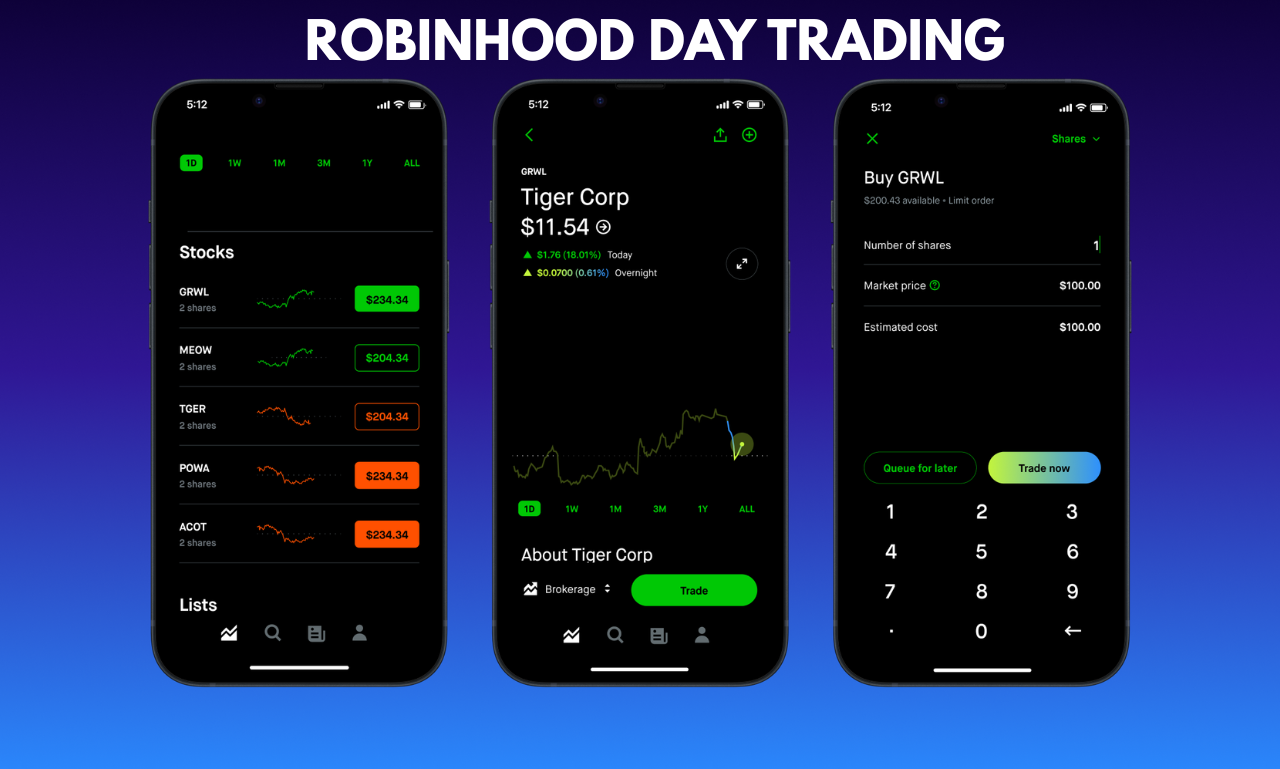
Robinhood day trading rules are important for anyone using the platform to buy and sell stocks, options, or other financial instruments within a single trading day. Day trading can provide opportunities for active traders, but it also comes with specific regulations, account requirements, and risks that every investor should understand.
Robinhood follows the Pattern Day Trader (PDT) rule established by the Financial Industry Regulatory Authority (FINRA), which limits frequent day trading activity in margin accounts. This guide explains Robinhood’s day trading requirements, how pattern day trading works, account restrictions, buying power rules, and tips for avoiding common mistakes.
Whether you are a beginner exploring day trading or an experienced trader using Robinhood, understanding these rules can help you manage your account more effectively.
What Is Day Trading on Robinhood?
Day trading means buying and selling the same security within one trading day.
Examples include:
- Buying Apple shares in the morning and selling them later the same day
- Purchasing Tesla stock and closing the position before market close
- Trading options contracts within a single session
A day trade occurs when:
- You open a position
- You close that same position on the same trading day
Robinhood tracks these transactions automatically.
What Is the Pattern Day Trader (PDT) Rule?
The Pattern Day Trader rule is a regulation that applies to traders who frequently execute day trades.
According to FINRA guidelines:
- Four or more day trades within five business days can classify an account as a pattern day trader
- The account must generally maintain at least $25,000 in equity
- The rule applies mainly to margin accounts
This rule exists to reduce risks associated with frequent trading.
Robinhood Day Trading Rules Overview
| Rule | Requirement |
| Day Trade Definition | Buy and sell the same security on the same day |
| PDT Classification | 4+ day trades within 5 business days |
| Minimum Account Equity | $25,000 for pattern day traders |
| Account Type | Primarily margin accounts |
| Tracking | Automatically monitored by Robinhood |
How Many Day Trades Can You Make on Robinhood?
The number of allowed day trades depends on your account status.
Accounts Below $25,000
If your account has less than $25,000:
- You are generally limited to 3 day trades within a rolling 5-business-day period
- A fourth day trade may trigger PDT restrictions
Accounts Above $25,000
If your account maintains $25,000 or more:
- You may have unlimited day trades
- You receive pattern day trader status
Robinhood Cash Account vs Margin Account
The rules differ depending on account type.
| Feature | Cash Account | Margin Account |
| Borrowing Money | No | Yes |
| PDT Rule | Generally not applied the same way | Applies |
| Settlement Rules | Applies | Margin rules apply |
| Risk Level | Lower | Higher |
Cash accounts may provide more flexibility for some traders, but they still have settlement restrictions.
What Happens If You Break Robinhood Day Trading Rules?
If you exceed allowed day trades, Robinhood may:
- Mark your account as a pattern day trader
- Restrict day trading activity
- Limit your ability to open new positions
Possible consequences include:
- Temporary trading limitations
- Reduced account flexibility
- Requirement to maintain higher account equity
Understanding Robinhood Buying Power
Buying power determines how much you can trade.
It depends on:
- Account type
- Available cash
- Margin availability
- Market conditions
Pattern day traders may receive increased buying power based on account equity.
Robinhood Day Trading Options Rules
Options trading has additional considerations.
Important factors include:
- Options contracts can expire quickly
- Price movements can be significant
- Losses may happen rapidly
Before trading options, users should understand:
- Implied volatility
- Expiration dates
- Option pricing
- Risk management
Extended Hours Trading on Robinhood
Robinhood offers extended-hours trading for eligible securities.
Trading sessions may include:
- Pre-market trading
- Regular market hours
- After-hours trading
However, extended-hours trading carries additional risks:
- Lower liquidity
- Wider spreads
- Faster price changes
Common Robinhood Day Trading Mistakes
Many beginner traders make mistakes such as:
Overtrading
Making too many trades can increase:
- Fees
- Emotional stress
- Losses
Ignoring Risk Management
Successful traders use:
- Stop-loss strategies
- Position sizing
- Trading plans
Following Market Hype
Avoid making decisions based only on:
- Social media trends
- Online predictions
- Fear of missing out
How Beginners Can Practice Day Trading on Robinhood
New traders can improve by:
- Learning market basics
- Using paper trading tools
- Starting with small positions
- Studying technical analysis
- Keeping a trading journal
Practice helps develop discipline before risking significant capital.
Robinhood Day Trading Strategies
Common strategies include:
Momentum Trading
Traders look for stocks moving strongly in one direction.
Breakout Trading
Traders enter when prices move beyond important levels.
Scalping
Traders attempt to capture small price movements quickly.
Trend Following
Traders follow established market directions.
Risk Management Tips for Robinhood Traders
Important practices include:
- Never risk money you cannot afford to lose
- Avoid excessive leverage
- Set clear entry and exit rules
- Diversify investments
- Control emotions
Risk management is more important than finding the perfect trade.
Is Robinhood Good for Day Trading?
Robinhood can be attractive because of:
- Simple interface
- Easy account setup
- Commission-free trading structure
- Mobile accessibility
However, advanced traders may prefer platforms offering:
- More technical tools
- Advanced charting
- Professional analytics
Robinhood Day Trading Rules vs Professional Platforms
| Feature | Robinhood | Professional Platforms |
| Ease of Use | Beginner-friendly | More complex |
| Trading Tools | Basic | Advanced |
| Mobile Experience | Strong | Varies |
| Learning Curve | Lower | Higher |
Tips to Avoid Robinhood Day Trading Restrictions
Follow these practices:
- Track your day trades carefully
- Understand PDT rules
- Avoid unnecessary same-day trades
- Maintain proper account balance
- Use a trading plan
Future of Day Trading on Robinhood
Day trading continues changing because of:
- Artificial intelligence tools
- Mobile investing growth
- Increased retail participation
- Advanced trading technology
Future platforms may provide more educational features and smarter trading tools.
Frequently Asked Questions:
How many day trades can I make on Robinhood?
Accounts under $25,000 are generally limited to three day trades within five business days under PDT rules.
What happens after 4 day trades on Robinhood?
Your account may receive pattern day trader status and face restrictions if equity requirements are not met.
Do I need $25,000 to day trade on Robinhood?
You generally need $25,000 in account equity to freely day trade under PDT rules.
Does Robinhood allow day trading?
Yes, Robinhood allows day trading, but users must follow regulatory requirements.
Is Robinhood good for beginner day traders?
Robinhood is easy to use, but beginners should learn trading risks before active trading.
Can I day trade options on Robinhood?
Yes, eligible users can trade options, but options involve significant risks.
Does the PDT rule apply to cash accounts?
PDT rules mainly apply to margin accounts, but cash settlement rules still apply.
How can I avoid PDT restrictions?
Limit day trades or maintain the required account equity level.
Can I practice day trading before using money?
Yes, paper trading and simulated practice can help beginners develop skills.
Is day trading profitable?
Some traders earn profits, but day trading involves substantial risks and many traders experience losses.
Conclusion
Understanding Robinhood day trading rules is essential before actively buying and selling securities on the platform. While Robinhood makes trading accessible for beginners, users must follow Pattern Day Trader requirements, account limitations, and proper risk management practices.
Day trading can provide opportunities, but it requires education, discipline, and realistic expectations. Successful traders focus on strategy, research, and controlling risk rather than chasing quick profits. Before increasing trading activity, investors should understand their account type, available buying power, and regulatory requirements. A careful approach can help traders use Robinhood more responsibly in 2026 and beyond.