
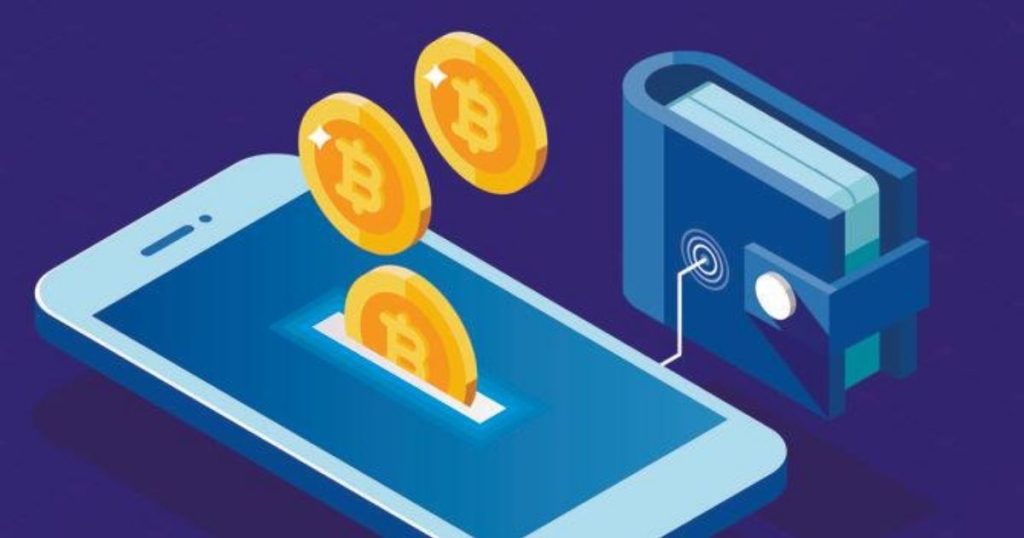
The rise of cryptocurrency has transformed the global financial landscape. Millions of people now invest in digital assets such as Bitcoin, Ethereum, and other cryptocurrencies. However, owning cryptocurrency comes with an important responsibility: keeping your digital assets safe. This is where a crypto wallet becomes essential.
A crypto wallet is the foundation of cryptocurrency ownership. Whether you are a beginner purchasing your first Bitcoin or an experienced investor managing a diverse portfolio, understanding how crypto wallets work is critical. Without a wallet, you cannot securely store, send, or receive digital currencies.
In this comprehensive guide, we will explore what a crypto wallet is, how it functions, the different types available, security best practices, and how to choose the right wallet for your needs.
What Is a Crypto Wallet?
A crypto wallet is a software program, mobile application, hardware device, or physical storage method that allows users to interact with blockchain networks and manage their cryptocurrencies.
Contrary to popular belief, crypto wallets do not actually store cryptocurrency. Instead, they store the cryptographic keys that provide access to digital assets recorded on the blockchain. These keys allow users to prove ownership and authorize transactions.
Think of a crypto wallet as a digital gateway that connects you to your cryptocurrency holdings. Without the wallet and its associated keys, you cannot access or control your funds.
Understanding Public and Private Keys
To understand how a crypto wallet works, it is important to understand public and private keys.
Public Key
A public key functions similarly to a bank account number. It is used to generate a wallet address where others can send cryptocurrency.
You can safely share your public wallet address with anyone who wants to transfer funds to you.
Private Key
A private key is a unique cryptographic code that grants access to your cryptocurrency.
Unlike a public key, a private key must remain secret. Anyone with access to your private key can control your assets and transfer funds without your permission.
This is why protecting your private key is one of the most important aspects of cryptocurrency security.
How Does a Crypto Wallet Work?
When a user sends cryptocurrency, the wallet creates a digital signature using the private key. This signature proves ownership of the funds and authorizes the transaction.
The blockchain network then verifies the transaction before adding it to the public ledger.
The process happens within seconds or minutes, depending on the cryptocurrency network being used.
A crypto wallet essentially acts as an interface that enables users to:
- Send cryptocurrency
- Receive cryptocurrency
- Monitor balances
- Manage multiple digital assets
- Interact with blockchain applications
Types of Crypto Wallets
Crypto wallets are generally divided into two primary categories: hot wallets and cold wallets.
Hot Wallets
Hot wallets are connected to the internet and provide convenient access to cryptocurrency.
Examples include:
- Mobile wallets
- Desktop wallets
- Web wallets
- Exchange wallets
Because they are online, hot wallets allow users to quickly send and receive funds.
Advantages of Hot Wallets
- Easy to access
- Convenient for trading
- User-friendly
- Suitable for beginners
Disadvantages of Hot Wallets
- More vulnerable to hacking
- Increased cybersecurity risks
- Dependence on internet connectivity
Cold Wallets
Cold wallets remain offline and are considered one of the safest methods of cryptocurrency storage.
Examples include:
- Hardware wallets
- Paper wallets
- Air-gapped devices
Because they are disconnected from the internet, cold wallets are significantly less vulnerable to cyberattacks.
Advantages of Cold Wallets
- Enhanced security
- Protection against online threats
- Ideal for long-term investors
Disadvantages of Cold Wallets
- Less convenient for frequent transactions
- Risk of physical damage or loss
- Requires careful backup management
Different Types of Crypto Wallets Explained
Mobile Wallets
Mobile wallets are smartphone applications that allow users to manage cryptocurrencies on the go.
Many mobile wallets include features such as:
- QR code scanning
- Real-time portfolio tracking
- Instant transactions
- Biometric authentication
These wallets are ideal for users who frequently use cryptocurrency for payments.
Desktop Wallets
Desktop wallets are installed on personal computers and provide greater control over private keys.
Many investors prefer desktop wallets because they offer strong security combined with accessibility.
Web Wallets
Web wallets operate through internet browsers and are accessible from virtually any device.
While convenient, users should only trust reputable wallet providers with strong security records.
Hardware Wallets
Hardware wallets are physical devices specifically designed to store private keys offline.
These wallets are widely regarded as one of the safest methods of cryptocurrency storage because they reduce exposure to online attacks.
Paper Wallets
A paper wallet contains printed versions of private and public keys.
Although less common today, paper wallets remain an offline storage option for users who prioritize security.
Why Are Crypto Wallets Important?
Crypto wallets play a critical role in the cryptocurrency ecosystem.
Without a wallet, users cannot:
- Store digital assets securely
- Access cryptocurrency holdings
- Verify ownership
- Conduct blockchain transactions
Unlike traditional banking systems, cryptocurrencies rely on self-custody. This means users are responsible for protecting their own funds.
A reliable wallet provides:
- Security
- Accessibility
- Ownership control
- Transaction management
Security Features of Modern Crypto Wallets
Security remains the top concern for cryptocurrency users.
Most modern wallets include advanced security features designed to protect assets.
Two-Factor Authentication (2FA)
Two-factor authentication adds an extra layer of protection by requiring a secondary verification method.
Encryption Technology
Wallets use encryption to safeguard sensitive data from unauthorized access.
Recovery Phrase
Most wallets generate a 12-word or 24-word recovery phrase that allows users to restore wallet access if a device is lost or damaged.
Biometric Verification
Fingerprint scanning and facial recognition provide additional security for mobile wallet users.
Multi-Signature Support
Multi-signature wallets require approval from multiple parties before transactions can be executed.
Hot Wallet vs Cold Wallet: Which Should You Choose?
The choice depends on your cryptocurrency goals.
If you trade frequently and need quick access to funds, a hot wallet may be the better option.
If you hold substantial cryptocurrency investments for long periods, a cold wallet is often recommended.
Many experienced investors combine both approaches:
- Hot wallet for daily transactions
- Cold wallet for long-term holdings
This strategy offers convenience while maximizing security.
Common Mistakes Crypto Users Make
Many cryptocurrency losses occur because users fail to follow basic security practices.
Sharing Private Keys
Never reveal your private key to anyone.
Ignoring Wallet Backups
Always store recovery phrases in multiple secure locations.
Falling for Phishing Attacks
Only use official wallet websites and applications.
Weak Passwords
Use strong and unique passwords for all wallet accounts.
Keeping Large Amounts on Exchanges
Cryptocurrency exchanges can be hacked. Consider transferring significant holdings to a private wallet.
How to Choose the Best Crypto Wallet
Selecting the right crypto wallet requires evaluating several factors.
Security
Look for wallets with encryption, 2FA, and strong security reputations.
Ease of Use
Beginners should prioritize user-friendly interfaces.
Supported Cryptocurrencies
Ensure the wallet supports all digital assets you plan to store.
Compatibility
Check whether the wallet works across your devices.
Customer Support
Reliable support can be invaluable during technical issues.
The Future of Crypto Wallets
Crypto wallets continue to evolve alongside blockchain technology.
Future developments may include:
- Enhanced biometric security
- Artificial intelligence integration
- Multi-chain wallet support
- NFT management capabilities
- Improved decentralized finance functionality
As cryptocurrency adoption increases worldwide, wallets will become more sophisticated and user-friendly.
The future of digital finance will likely rely heavily on advanced wallet technology that simplifies access to blockchain networks while maintaining high security standards.
FAQ’s
What Is a Crypto Wallet and Why Is It Important?
A crypto wallet is a digital tool that allows users to store, send, receive, and manage cryptocurrencies. It securely holds the private keys needed to access digital assets on the blockchain and plays a crucial role in cryptocurrency security and asset management.
What Are the Main Types of Crypto Wallets?
The two main types are hot wallets and cold wallets. Hot wallets are connected to the internet and offer convenience for daily transactions, while cold wallets store assets offline and provide enhanced digital asset protection for long-term investors.
Is a Crypto Wallet Safe to Use?
Yes, a crypto wallet can be very safe when used correctly. Security features such as two-factor authentication (2FA), wallet encryption, recovery phrases, and private key protection help keep cryptocurrency holdings secure from unauthorized access.
Can I Store Multiple Cryptocurrencies in One Wallet?
Many modern wallets support multiple cryptocurrencies, allowing users to manage Bitcoin, Ethereum, and various altcoins from a single platform. These multi-currency wallets simplify portfolio management and improve user convenience.
What Happens If I Lose Access to My Crypto Wallet?
If you lose access to your wallet but still have your recovery phrase or backup seed phrase, you can restore your wallet and regain access to your funds. Without this backup information, recovering your cryptocurrency may be impossible, which is why secure storage of recovery credentials is essential.
Conclusion
A crypto wallet is one of the most essential tools in the cryptocurrency ecosystem. It enables users to securely manage digital assets, verify ownership, and interact with blockchain networks. Whether you choose a hot wallet for convenience or a cold wallet for maximum security, understanding how crypto wallets work is vital for protecting your investments.
As cryptocurrency adoption continues to grow, the importance of digital asset security, blockchain wallet technology, private key management, and cryptocurrency storage solutions will only increase. By selecting the right wallet and following proven security practices, users can confidently participate in the evolving world of digital finance while keeping their assets safe and accessible.

