
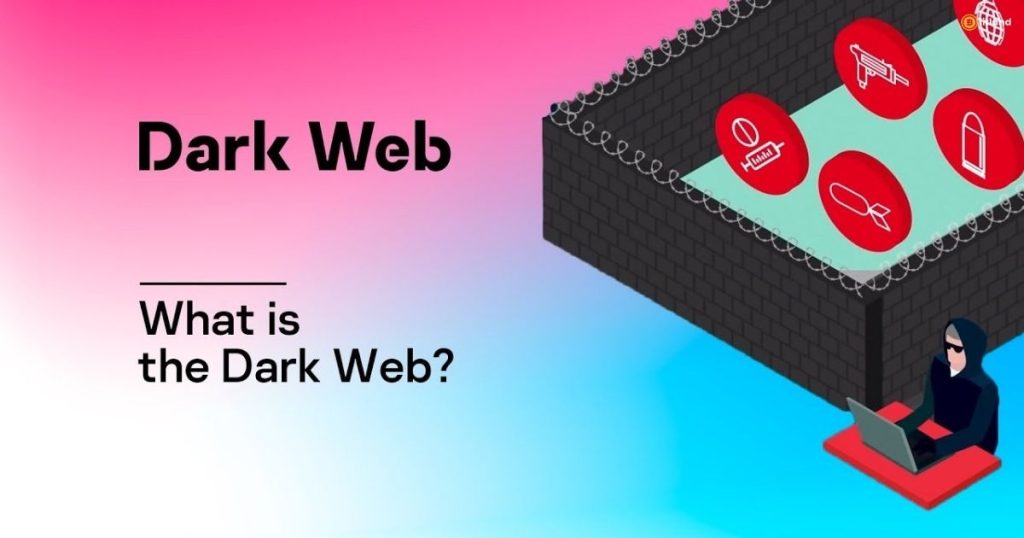
The dark web is a hidden part of the internet that is not accessible through normal browsers like Chrome, Firefox, or Edge, and it cannot be found using standard search engines such as Google. It exists within a larger structure of the internet and is intentionally designed to remain anonymous and untraceable. This hidden network is often linked with both privacy-focused communication systems and illegal online marketplaces, making it one of the most controversial areas of the digital world.
In simple terms, the dark web is a private, encrypted section of the internet that requires special software such as the Tor browser to access. It is not indexed, meaning its websites do not appear in search results, and users remain anonymous through layered encryption systems. While it is widely known for cybercrime, it also supports legitimate uses such as whistleblowing, privacy protection, and secure communication in restricted regions. However, due to its unregulated nature, it also carries risks like scams, hacking tools, and stolen data markets.
What Is the Dark Web, Deep Web and Surface Web?
The internet is often compared to an iceberg, where only a small portion is visible on the surface. The surface web is the part of the internet that is publicly accessible and indexed by search engines. It includes websites like news portals, blogs, and social media platforms that can be easily reached through regular browsing. This layer represents only a small fraction of the entire internet.
Below the surface lies the deep web, which makes up the largest portion of online content. It includes private and restricted information such as banking accounts, medical records, academic databases, and internal organizational systems. Most of the deep web is safe and legal, but it is not visible to search engines because it is protected by passwords or security restrictions.
The dark web is a small but highly hidden part of the deep web. It is intentionally concealed and requires special tools like Tor to access. Unlike the deep web, which is mostly harmless and private, the dark web is often associated with anonymous communication, illegal trade, and cybercriminal activities, although it also supports privacy-sensitive use cases.
The Surface Web or Open Web
The surface web, also known as the open web, is the most commonly used part of the internet. It includes all websites that are indexed by search engines and can be accessed using standard browsers. These websites use familiar domains like .com, .org, and .net, making them easy to find and navigate.
This layer of the internet is relatively small compared to the deeper layers and includes public content such as blogs, e-commerce sites, and social media platforms. Search engines use automated systems called crawlers to scan and index these pages so users can easily discover them.
The Deep Web
The deep web is the largest part of the internet and consists of content that is not indexed by search engines. It includes secure and private data that requires authentication or permission to access. This makes it hidden from public search results but still legal and widely used in everyday life.
Examples of deep web content include online banking systems, private emails, subscription services, medical records, and academic research databases. These pages are hidden not because they are dangerous, but because they are protected for security and privacy reasons. Most internet users interact with the deep web daily without realizing it.
The Dark Web
The dark web is a small, hidden segment of the deep web that requires specialized software to access. It is designed to provide maximum anonymity by using encrypted networks that mask user identity and location. Websites on the dark web use special domains such as “.onion” addresses, which cannot be opened through regular browsers.
This part of the internet is often linked to illegal marketplaces, hacking forums, stolen data trading, and cybercrime services, but it also has legitimate uses. Journalists, activists, and whistleblowers may use it to communicate safely in countries with strict censorship or surveillance. Despite its benefits, it is also a high-risk environment filled with scams, malware, and law enforcement monitoring.
What Is on the Dark Web?
The dark web contains a mix of legal and illegal content, depending on how it is used. Some users rely on it for anonymity and privacy, while others use it for criminal activity. It is commonly associated with hidden marketplaces where stolen data, illegal goods, and hacking tools may be exchanged.
At the same time, the dark web also hosts platforms for secure communication, whistleblowing, and freedom of speech in restricted regions. However, due to the lack of regulation, it is also a place where cybercriminal activity, scams, and identity theft are widespread.
What Is the Dark Web Used For?
The dark web is often misunderstood as being purely criminal, but its usage is more complex. Many individuals use it for privacy protection, anonymous communication, and avoiding censorship. This includes journalists, activists, and individuals living under strict government control.
On the other hand, it is also used for illegal purposes such as selling stolen data, distributing malware, sharing hacking tools, and operating underground marketplaces. Scams and fraud are also common, as anonymity makes it difficult to track or verify users. Because of this, the dark web remains a high-risk environment where caution is essential.
What Is the Dark Web?
The dark web is a hidden layer of the internet often linked with secrecy and illegal activity, but its reality is more complex. It exists within the broader internet ecosystem, and most people never access it directly. Understanding it helps users stay aware of potential risks like scams, data leaks, and cyber threats.
What you should know
- The dark web is not accessible through regular browsers like Chrome or Firefox.
- It is part of the larger deep web, which includes both legal and private content.
- It can host both legitimate privacy-focused platforms and illegal marketplaces.
- Simply visiting it is not always illegal, but many activities inside it are unlawful.
- Personal data can appear on the dark web after data breaches, even if you never visit it.
- Strong cybersecurity practices reduce exposure to dark web-related threats.
Dark Web Definition
The dark web refers to a hidden section of the internet that is not indexed by standard search engines. It is usually accessed using special software like the Tor browser, which enables anonymous communication.
This space is known for offering both online anonymity tools and high-risk environments involving scams, illegal trade, and cybercrime.
Surface Web vs Deep Web vs Dark Web
The internet is often divided into three layers: surface web, deep web, and dark web.
Surface Web (Visible Internet)
The surface web is the part of the internet most people use daily. It includes websites indexed by Google and other search engines. This represents only a small fraction of the total internet.
Key features:
- Public websites (.com, .org, etc.)
- Search engine indexed content
- Easily accessible via normal browsers
- About 5% of total internet content
Deep Web (Hidden but Legal Content)
The deep web lies beneath the surface web and includes content not indexed by search engines. Most of it is completely legal and used daily.
Examples include:
- Online banking portals
- Private emails and messages
- Academic databases
- Medical records
- Company internal systems
This layer makes up the majority of online content and is often protected by passwords and security systems.
Dark Web (Highly Hidden Layer)
The dark web is a small, concealed part of the deep web that requires special tools like Tor network access.
Characteristics:
- Not searchable via Google
- Uses .onion websites
- Focuses on anonymity and encryption
- Contains both legal and illegal content
- Often associated with cybercrime markets
What Does the Dark Web Look Like?
The dark web interface is usually very basic compared to regular websites. Most pages prioritize privacy and speed rather than design.
Typical features include:
- Simple text-based layouts
- Minimal images or graphics
- Old-style forum appearance
- Functional tools like login forms or listings
.onion Websites
Dark web sites use .onion domains, which are random strings of letters and numbers. These cannot be guessed or searched normally.
Navigation Challenges
Since the dark web is not indexed, users rely on:
- Hidden directories
- Link lists
- Specialized search tools
However, many links disappear frequently due to link rot, making navigation unstable and risky.
How the Dark Web Works
The dark web operates using encrypted networks such as the Tor network (The Onion Router). This system hides user identity by routing traffic through multiple servers.
Key technical features:
- Encrypted communication paths
- Anonymous browsing layers
- Hidden server locations
- Restricted access via special software
Is the Dark Web Illegal?
The dark web itself is not illegal, but its usage depends on what a person does there.
Legal Uses
- Protecting privacy
- Secure communication for journalists or whistleblowers
- Avoiding censorship in restricted regions
Illegal Uses
- Drug marketplaces
- Stolen data trading
- Cybercrime forums
- Illegal hacking services
Even though tools like Tor browser security are legal, engaging in illegal actions is punishable by law.
Why People Use the Dark Web
The dark web is used for both positive and negative purposes.
Legitimate reasons:
- Protecting identity
- Free speech in censored regions
- Whistleblowing and activism
Criminal reasons:
- Fraud and scams
- Illegal product sales
- Data theft marketplaces
- Malware distribution
Dark Web Threats
The dark web is known for serious cybersecurity risks that can affect users directly or indirectly.
1. Malware Attacks
The dark web contains many forms of malicious software (malware) such as:
- Ransomware
- Keyloggers
- Spyware
- Botnets
- Phishing tools
These programs can steal data or damage devices.
2. Government Monitoring
Law enforcement agencies often monitor dark web platforms. Some marketplaces have been shut down and used for surveillance operations.
Even passive browsing can sometimes be tracked during investigations.
3. Online Scams
The dark web is full of fraudulent schemes, including:
- Fake services
- Identity theft scams
- Non-existent illegal services
- Financial fraud
Many users lose money due to dark web scams.
How to Access the Dark Web
To access the dark web, users typically use:
- Tor Browser (The Onion Router)
- Special encrypted network tools
- .onion web addresses
However, access alone does not guarantee safety or anonymity.
Dark Web Safety Tips
To reduce risks associated with the dark web, cybersecurity experts recommend:
- Using updated antivirus protection
- Avoiding unknown downloads
- Not sharing personal information
- Using secure, separate accounts
- Avoiding suspicious links
- Enabling multi-factor authentication (MFA)
- Monitoring identity theft alerts
These practices help reduce exposure to cyber threats and data leaks.
How to Check If Your Data Is on the Dark Web
Even if you never visit the dark web, your data can still appear there due to breaches.
Tools like dark web monitoring services scan leaked databases to detect exposed information.
If your data is found:
- Change passwords immediately
- Enable MFA protection
- Monitor financial accounts
- Secure email and cloud accounts
- Use continuous cybersecurity monitoring tools
Frequently Asked Questions
What is the dark web used for?
The dark web is used for both legal and illegal purposes. Some people access it for privacy, anonymous communication, or whistleblowing, while others use it for illegal marketplaces, hacking tools, and stolen data trading. Its main feature is anonymity, which attracts both legitimate users and cybercriminals.
Is it illegal to use the dark web?
Accessing the dark web itself is not illegal. However, many activities that happen there—such as buying illegal goods, hacking services, or sharing stolen data are against the law. The legality depends entirely on what a user does while on it.
Can you be tracked on the dark web?
Yes, tracking is still possible even when using privacy tools like Tor. Mistakes such as logging into personal accounts, downloading unsafe files, or revealing identity details can expose users. Advanced monitoring techniques can also be used by authorities in some cases.
What are the main risks of the dark web?
The dark web carries several risks including malware infections, scams, phishing attacks, and exposure to illegal content. Users may also face identity theft or financial fraud if they are not extremely careful with their activity and security practices.
How can you stay safe on the dark web?
Safety requires strong precautions like using security software, avoiding downloads, not sharing personal information, and keeping all activity anonymous. Even then, risks remain high, so most users are advised to avoid it unless absolutely necessary.
Conclusion
The dark web is a complex and hidden part of the internet that combines privacy technology with high-risk environments. While it can support free speech and anonymity, it is also widely associated with cybercrime, scams, and illegal marketplaces.
Understanding how the dark web works helps users stay safer online. Strong cybersecurity habits, awareness of data breach risks, and proper digital hygiene are essential to protect personal information in today’s connected world. In the end, the dark web is neither completely good nor entirely bad—it is a tool that reflects how it is used.

