
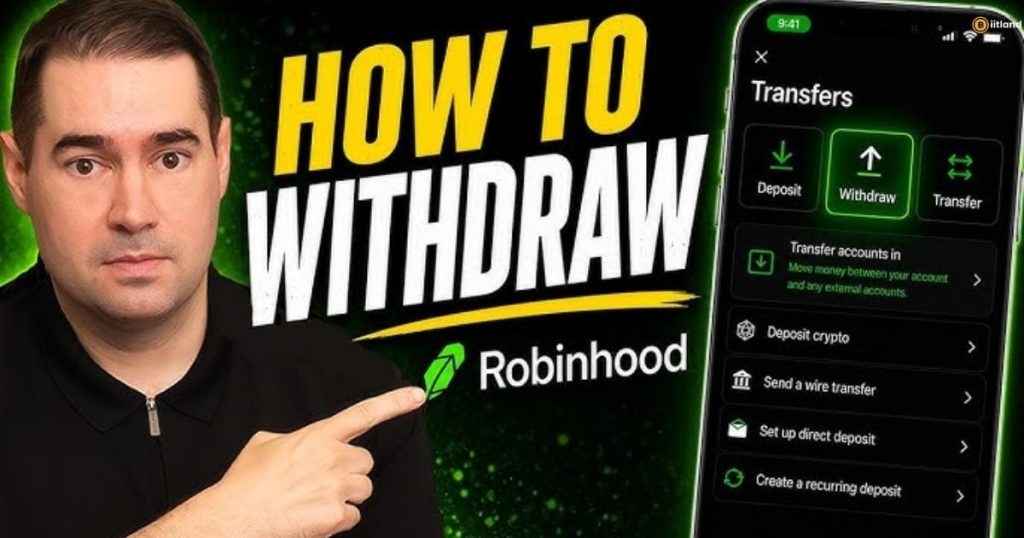
Robinhood has become one of the most popular trading platforms for stocks, ETFs, options, and cryptocurrencies in recent years. Millions of investors use the app because of its simple interface, commission-free trading, and easy account setup process. As more people invest through mobile apps, understanding how to withdraw money safely and quickly has become extremely important for both beginners and experienced traders. Many users successfully buy and sell assets on Robinhood, but they often become confused when trying to transfer their profits back to their bank accounts.
Withdrawing money from Robinhood is usually simple, but there are several important rules users must understand before starting a transfer. Investors need to know about settlement periods, withdrawal limits, transfer fees, bank verification, and the difference between buying power and withdrawable cash. Missing these details can cause delays, failed transfers, or confusion about available balances.
In 2026, Robinhood continues improving its platform with faster withdrawals, instant transfers, stronger security systems, and better banking integrations. However, users still face occasional issues such as pending withdrawals, verification problems, and transfer holds after selling investments. Learning how the system works can help investors avoid frustration and manage their money more efficiently.
Understanding How Robinhood Withdrawals Work
Robinhood allows users to transfer money from their investment account directly to a linked bank account. After selling stocks, ETFs, or cryptocurrencies, the money does not immediately become available for withdrawal. Instead, users usually need to wait for the transaction to settle before the funds appear as “withdrawable cash.” This settlement process is one of the most common reasons people cannot instantly move money from Robinhood.
The platform separates account balances into several categories, including buying power, cash balance, and withdrawable cash. Buying power represents the amount available for trading, while withdrawable cash refers to the actual money users can transfer out of Robinhood immediately. Many beginners mistakenly try withdrawing buying power instead of available cash, which leads to failed transfer attempts.
Robinhood supports standard ACH bank transfers, instant withdrawals, and wire transfers depending on the user’s needs. Standard transfers are usually free but may take several business days. Instant transfers arrive much faster but usually include additional fees. Wire transfers are commonly used for larger transactions but may involve flat charges.
Understanding these differences helps investors make better financial decisions. Before requesting a withdrawal, users should carefully review their account balance, settlement status, and selected transfer method. This reduces delays and ensures smoother transactions when moving funds to a personal bank account.
Requirements Before Withdrawing Money
Before users can withdraw money from Robinhood, several requirements must be completed successfully. The first requirement is having a fully verified Robinhood account. Users must complete identity verification steps, including providing legal identification documents and confirming personal details. Without account verification, Robinhood may restrict transfers and withdrawals for security reasons.
Another important requirement is linking a valid bank account to Robinhood. The bank account must match the account holder’s name and complete the verification process before transfers are allowed. Many withdrawal problems happen because users attempt transfers before verifying their banking information completely. Investors also need sufficient withdrawable cash in their account. If the money comes from recently sold investments, users may need to wait for the settlement period to finish. Pending deposits, temporary account holds, or reversal risks may also limit available withdrawals temporarily.
Robinhood may also apply withdrawal restrictions in cases involving suspicious activity, security reviews, or failed bank transfers. Users should regularly monitor account notifications and ensure all banking information remains accurate. Completing these requirements early makes the withdrawal process much faster and prevents unnecessary delays later.
How to Withdraw Money on Robinhood Mobile App
Withdrawing money through the Robinhood mobile application is a straightforward process for most users. The first step is opening the Robinhood app and signing into your account securely. Once logged in, users must tap the account icon located at the bottom corner of the application to access account settings and financial tools.
After entering the account section, users need to open the Transfers menu. Inside this section, Robinhood displays different options for deposits, transfers, and withdrawals. Selecting “Transfer to Your Bank” starts the withdrawal process. The user must then choose their linked bank account as the destination for the transfer.
The next step involves entering the withdrawal amount carefully. Robinhood automatically displays available withdrawable cash so users can avoid exceeding their balance limits. If instant withdrawal is selected, the app may also display applicable transfer fees before confirmation.
Finally, users review all details including the bank account, amount, processing time, and fees before submitting the request. After confirmation, Robinhood processes the withdrawal and provides status updates through the app. Most standard transfers arrive within several business days depending on the bank involved in the transaction.
How to Withdraw Money on Robinhood Desktop
Many investors prefer using Robinhood’s desktop website for managing larger transactions because the bigger screen provides easier navigation and account monitoring. The withdrawal process on desktop is similar to the mobile application but uses a web browser interface instead of a smartphone app.
Users first need to visit the Robinhood website and sign into their account securely. Once logged in, they can access the account dashboard where transfer and banking options are displayed. Clicking on the Transfers section opens the withdrawal management area for sending money to linked bank accounts. Users then choose the withdrawal option and select the destination bank account. Robinhood displays the amount of withdrawable cash available in the account at that time.
After reviewing all details, users confirm the transfer request and monitor the withdrawal status from the transaction history page. Desktop withdrawals usually follow the same processing times as mobile transfers. Many users prefer desktop access because it allows easier tracking of balances, limits, fees, and transfer history during large transactions.
Robinhood Withdrawal Fees Explained
One of the reasons Robinhood became popular is its low-cost structure compared to traditional brokerages. Standard ACH withdrawals from Robinhood to a bank account are usually free, making them the preferred option for many long-term investors and casual traders. However, faster withdrawal methods may include additional costs that users should understand before initiating transfers. Robinhood offers instant withdrawals for users who need faster access to their money. Instant transfers typically charge percentage-based fees with minimum and maximum limits depending on the transfer size. While these withdrawals arrive much quicker, the fees can become expensive for large transactions.
Outgoing wire transfers also involve flat fees in most cases. Wire transfers are often used for moving significant amounts of money quickly between financial institutions. Although useful for larger transfers, users should compare wire fees with standard ACH transfers before selecting this method.
Understanding withdrawal costs helps investors choose the best transfer method for their financial situation. Many users save money by selecting standard bank transfers whenever possible instead of paying unnecessary instant withdrawal fees. Carefully reviewing fees before confirming transfers can prevent unexpected charges and improve overall financial management.
Withdrawal Limits and Processing Times
Robinhood applies daily withdrawal limits to protect user accounts and maintain financial security. These limits may vary depending on account type, verification status, and withdrawal method selected by the user. The app usually displays available transfer limits before the user submits a withdrawal request.
Standard bank transfers generally reset daily at specific times during business days. Users attempting to move larger amounts may need to split withdrawals across multiple days if they exceed their daily transfer limits. Planning withdrawals in advance can help investors avoid delays when moving substantial funds.
Processing times depend mainly on the selected withdrawal method and the receiving bank. Standard ACH transfers usually require several business days before the money appears in the user’s bank account. Instant withdrawals process much faster but often involve higher fees. Weekends and public holidays can also slow down bank processing times significantly.
Users should also remember that recently sold investments may require settlement periods before funds become withdrawable. Understanding these timelines helps investors manage cash flow more effectively and avoid confusion about pending transfers or delayed banking transactions. Patience is often necessary when dealing with financial settlement systems and banking networks.
Common Reasons Withdrawals Fail
Many Robinhood users occasionally experience withdrawal issues, especially beginners who are unfamiliar with brokerage rules. One of the most common reasons for failed withdrawals is unsettled funds. After selling investments, the proceeds may still be processing internally and therefore unavailable for transfer.
Another common issue involves pending deposits or reversal risks. If users recently deposited money into Robinhood from a bank account, the platform may temporarily restrict withdrawals until the deposit fully clears. This security measure helps prevent fraud and protects both Robinhood and financial institutions.
Incorrect or unverified bank details can also cause transfer failures. Users must ensure the linked bank account information matches their Robinhood account information exactly. Any mismatch between names, account numbers, or routing details may trigger security blocks or rejected transfers.
Withdrawal limits, account restrictions, suspicious activity reviews, and margin-related balances can also prevent successful transfers. Checking the “withdrawable cash” balance inside the Transfers section usually helps users understand the exact amount available for withdrawal. Monitoring notifications and resolving verification requests quickly can help avoid most withdrawal problems.
Buying Power vs Withdrawable Cash
One of the most misunderstood parts of Robinhood is the difference between buying power and withdrawable cash. Buying power refers to the amount available for purchasing stocks, ETFs, options, or cryptocurrencies inside the Robinhood platform. It may include unsettled funds or margin borrowing depending on the account type.
Withdrawable cash, however, represents the actual amount users can transfer to their bank account immediately. This number excludes unsettled trades, pending deposits, and borrowed margin funds. Many investors become confused because their buying power appears higher than the amount they can actually withdraw.
Robinhood Gold users may face additional complexity because margin accounts allow borrowed money for trading. While borrowed funds increase trading power, they cannot be withdrawn as personal cash. Investors should carefully review account balances and margin obligations before initiating withdrawals.
Understanding these financial terms is essential for avoiding failed transfers and account confusion. Investors should always focus on the “withdrawable cash” section rather than buying power when planning bank transfers. This helps prevent unnecessary frustration and improves overall account management within Robinhood’s platform.
Tips to Avoid Withdrawal Delays
There are several simple strategies users can follow to avoid delays when withdrawing money from Robinhood. One of the most important tips is avoiding withdrawals immediately after selling investments. Trades usually require settlement periods before the money becomes fully available for transfer. Waiting patiently can prevent failed requests and unnecessary confusion.
Another helpful strategy is verifying bank accounts early. Many transfer problems occur because users attempt withdrawals before completing bank verification steps. Linking and confirming banking information before needing money urgently can save significant time later.
Using standard bank transfers instead of instant withdrawals can also reduce complications and save money on fees. While instant withdrawals are faster, standard ACH transfers are usually more reliable and cost-effective for most investors. Users should also pay attention to transfer cutoff times and daily limit reset schedules.
Performing small test withdrawals before transferring larger amounts is another smart practice. This confirms that bank details are correct and working properly. Following these simple precautions helps investors avoid common transfer problems and creates a smoother withdrawal experience overall.
Security Tips for Safe Withdrawals
Online financial security has become extremely important as digital investing platforms continue growing worldwide. Robinhood generally provides secure withdrawal systems, but users must still take personal precautions to protect their accounts and funds from fraud or unauthorized access.
One of the best security practices is enabling two-factor authentication on the Robinhood account. This adds an extra verification step during login attempts and helps prevent hackers from accessing the account using stolen passwords alone. Strong and unique passwords also improve account security significantly.
Users should carefully verify bank account details before confirming withdrawals. Sending funds to the wrong bank account can create major complications and delays in recovering money. Investors should also avoid using public Wi-Fi networks when accessing financial applications or initiating transfers.
Monitoring account activity regularly helps detect suspicious behavior early. If users notice unknown login attempts, unauthorized transfers, or unusual account changes, they should immediately contact Robinhood support. Following basic cybersecurity practices greatly reduces financial risks and ensures safer withdrawal experiences for investors using digital trading platforms.
The Future of Digital Investing and Withdrawals
The financial industry continues evolving rapidly as digital investing platforms become more advanced and accessible worldwide. Robinhood and similar brokerage apps are transforming how people invest, trade, and manage personal finances. Faster banking systems, blockchain integration, artificial intelligence, and instant settlement technologies may further improve withdrawals in the future.
In 2026, investors expect financial platforms to offer greater transparency, lower fees, and faster processing times. Competition between brokerages is encouraging innovation in mobile banking, investment accessibility, and account security. Future withdrawal systems may eventually process transactions instantly without traditional banking delays or settlement periods.
Cryptocurrency adoption and decentralized finance technologies are also influencing modern financial systems. Some experts believe blockchain-based settlement systems could reduce transaction delays significantly in coming years. This may create faster and cheaper withdrawal experiences for investors across global markets.
As technology improves, users will likely gain more control over their investments and transfers. However, financial education will remain essential because investors must still understand account balances, transfer rules, security practices, and risk management. The future of digital finance looks promising, but informed decision-making will always remain important for financial success.
Conclusion
Robinhood has made investing more accessible for millions of people around the world by offering simple trading tools, commission-free investing, and mobile-friendly financial services. However, understanding how to withdraw money properly is just as important as learning how to invest. Knowing the difference between buying power and withdrawable cash, understanding settlement periods, and selecting the right transfer method can help users avoid unnecessary problems.
Standard ACH transfers remain the most cost-effective withdrawal option for most investors, while instant withdrawals provide faster access at additional costs. Users should also understand daily transfer limits, bank verification requirements, and possible causes of delayed withdrawals before moving funds. Proper planning makes the withdrawal process smoother and more efficient.
FAQ’s
Can I withdraw money from Robinhood immediately after selling stocks?
No, you usually need to wait for the trade settlement period before the money becomes withdrawable cash.
Are Robinhood withdrawals free?
Standard ACH bank withdrawals are generally free, but instant withdrawals and wire transfers may include fees.
How long do Robinhood withdrawals take?
Standard withdrawals usually take several business days, while instant withdrawals process much faster.
Why does Robinhood say I have no withdrawable cash?
Your funds may still be unsettled, pending, or restricted due to recent deposits or account holds.
What is the difference between buying power and withdrawable cash?
Buying power is available for trading, while withdrawable cash is the amount you can transfer to your bank immediately.

